

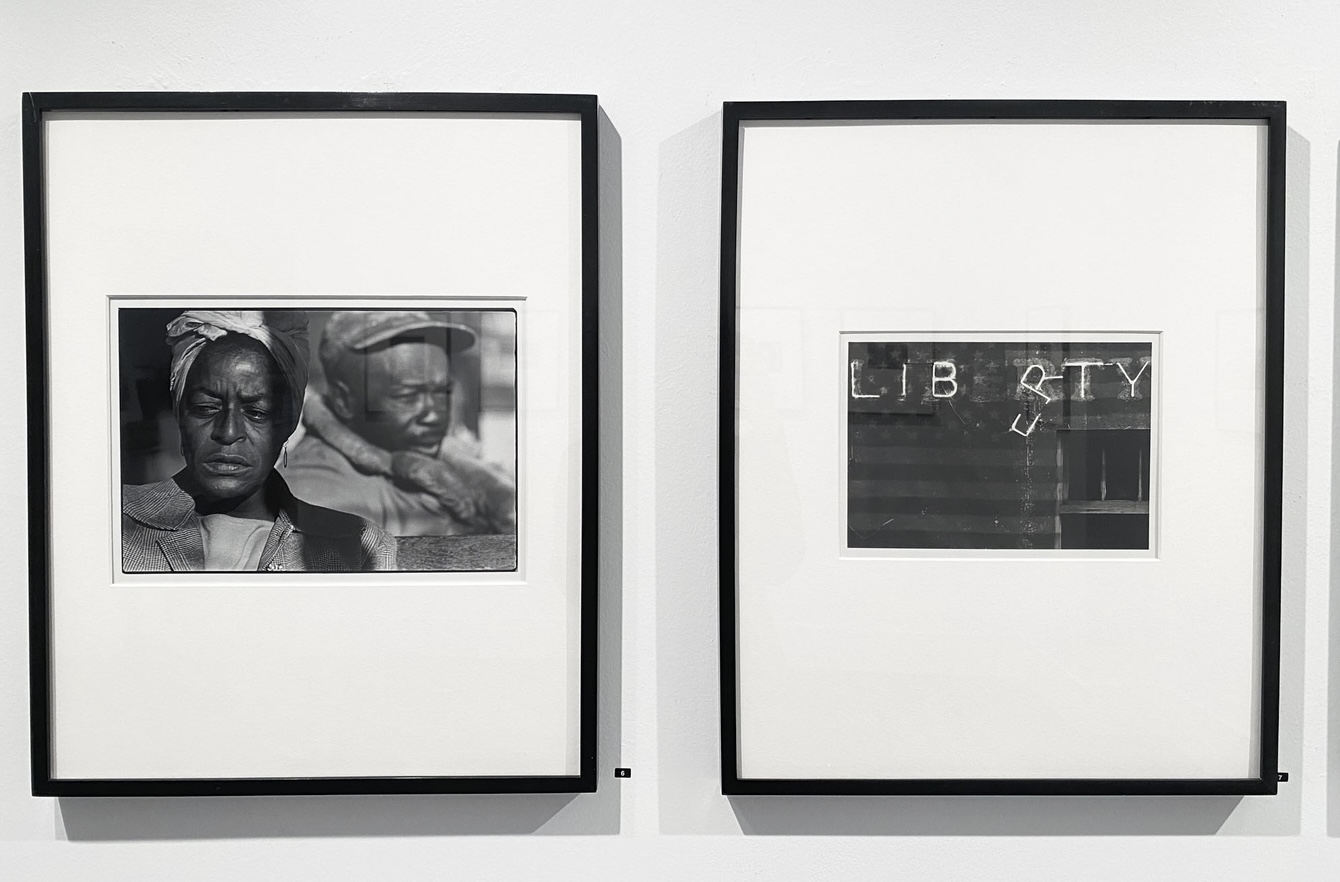
Anthony Barboza is an American photographer associated with the Kamoinge Workshop, a collective of Black photographers formed in New York in the 1960s. His work spans portraiture, editorial assignments, and personal projects, often focusing on the everyday presence and creativity of Black communities.
Barboza’s portraits balance formality and intimacy. Subjects—artists, musicians, family members, and cultural figures—are framed with careful attention to posture, clothing, and surrounding space. Light carves faces and outlines, while backdrops and interiors carry their own layered histories.
His black-and-white images often use strong contrast and considered composition, giving scenes a graphic clarity. At the same time, small details—gestures, textures, objects at the edge of the frame—anchor the photographs in specific lives and rooms.
Barboza has also produced color work and experimental pieces that play with blur, multiple exposure, or collage, extending his vocabulary while maintaining a focus on mood and character.
Through exhibitions, books, and teaching, he has contributed to the visibility of Black photographic practices in the United States, helping to build an alternative archive to mainstream image histories.
Anthony Barboza is an American photographer known for portraits and scenes that document Black life and creative communities, particularly through his involvement in the Kamoinge Workshop. His work has been widely exhibited and published.
Anthony Barboza is an American photographer whose portraits and scenes of Black life, rooted in the Kamoinge Workshop, balance graphic clarity with intimate attention to setting and gesture. His work has helped shape an alternative photographic archive of American culture.
