

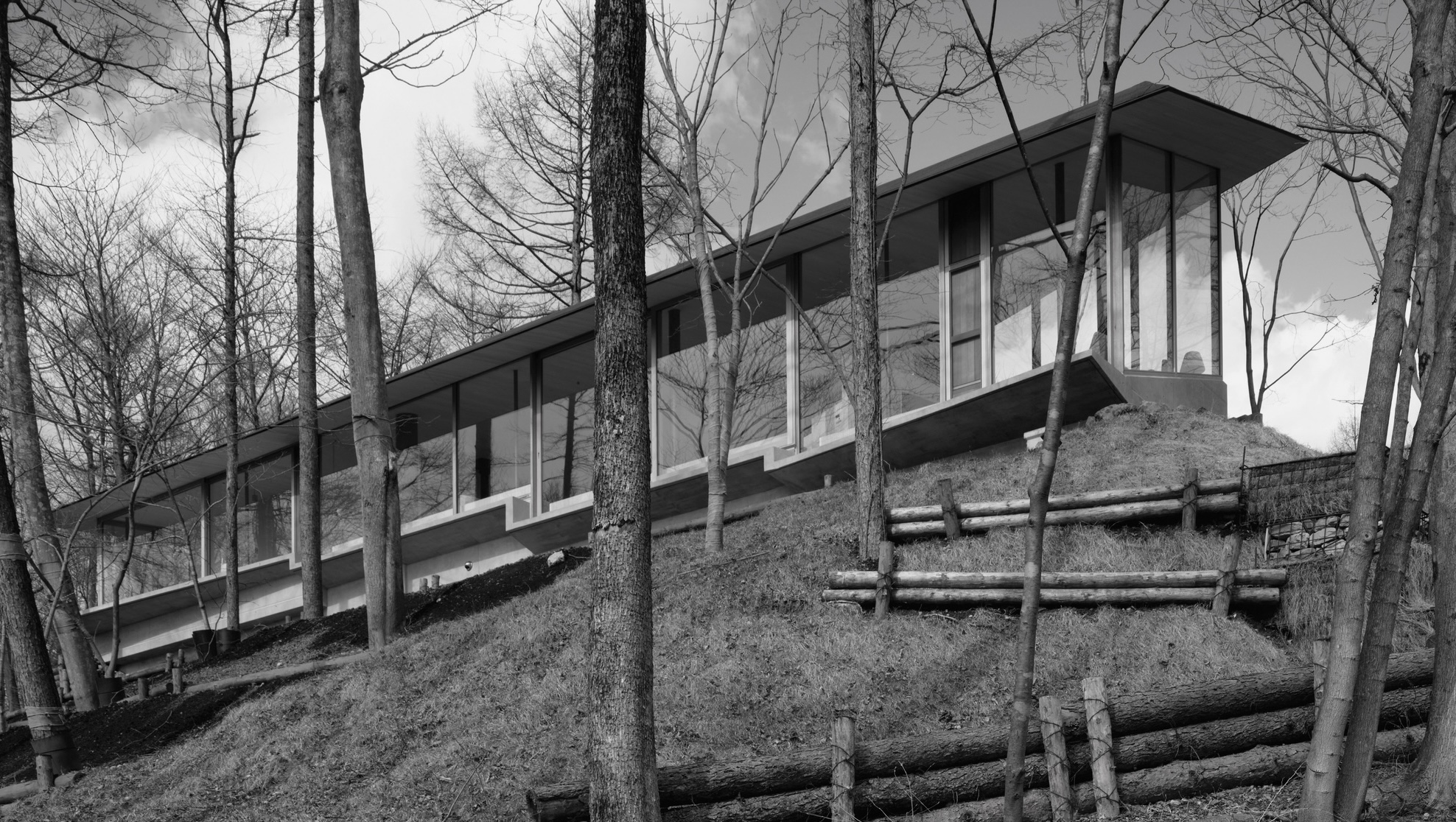
Atelier Bow-Wow is a Tokyo-based architecture studio founded by Yoshiharu Tsukamoto and Momoyo Kaijima, known for research-driven design that analyzes how buildings and people interact. Their concept of “behaviorology” studies the reciprocal relationship between built form, human action, climate, and micro-urban conditions.
The studio gained prominence through its studies of Tokyo’s dense neighborhoods, cataloguing small buildings, “pet architecture,” and informal typologies that adapt continuously to tight sites and shifting needs. These observations inform projects that prioritize circulation, openness, and social encounter.
Built works—houses, cultural centers, public spaces—often incorporate split levels, interlocking rooms, and generous apertures that allow light and air to filter through compact footprints. Materials are straightforward, with structural systems expressed clearly.
Atelier Bow-Wow also produces exhibitions, books, and research projects that expand architectural discourse. Their drawings and axonometric studies reveal an interest in how cities function at scales both intimate and infrastructural.
Across decades, the studio has contributed to new understandings of domesticity, urban space, and environmental responsiveness in contemporary architecture.
Atelier Bow-Wow is a Japanese architecture studio known for research and built projects that explore behavior, urban density, and the interaction between people, environment, and small-scale architecture.
Atelier Bow-Wow is a Tokyo-based architecture studio recognized for research-driven work that studies behavior, urban density, and small-scale building types. Their projects emphasize circulation, openness, and environmental responsiveness.
