


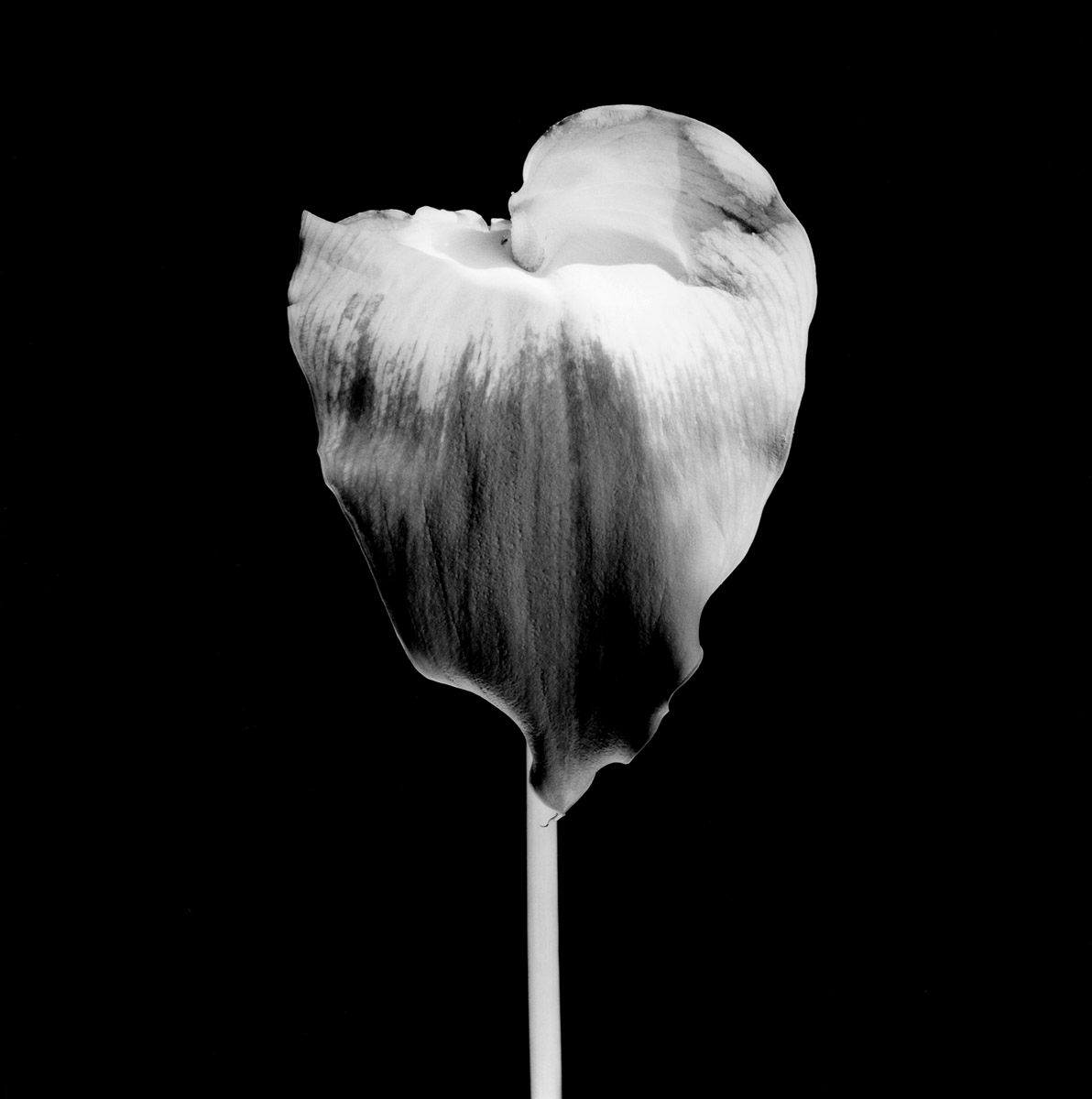
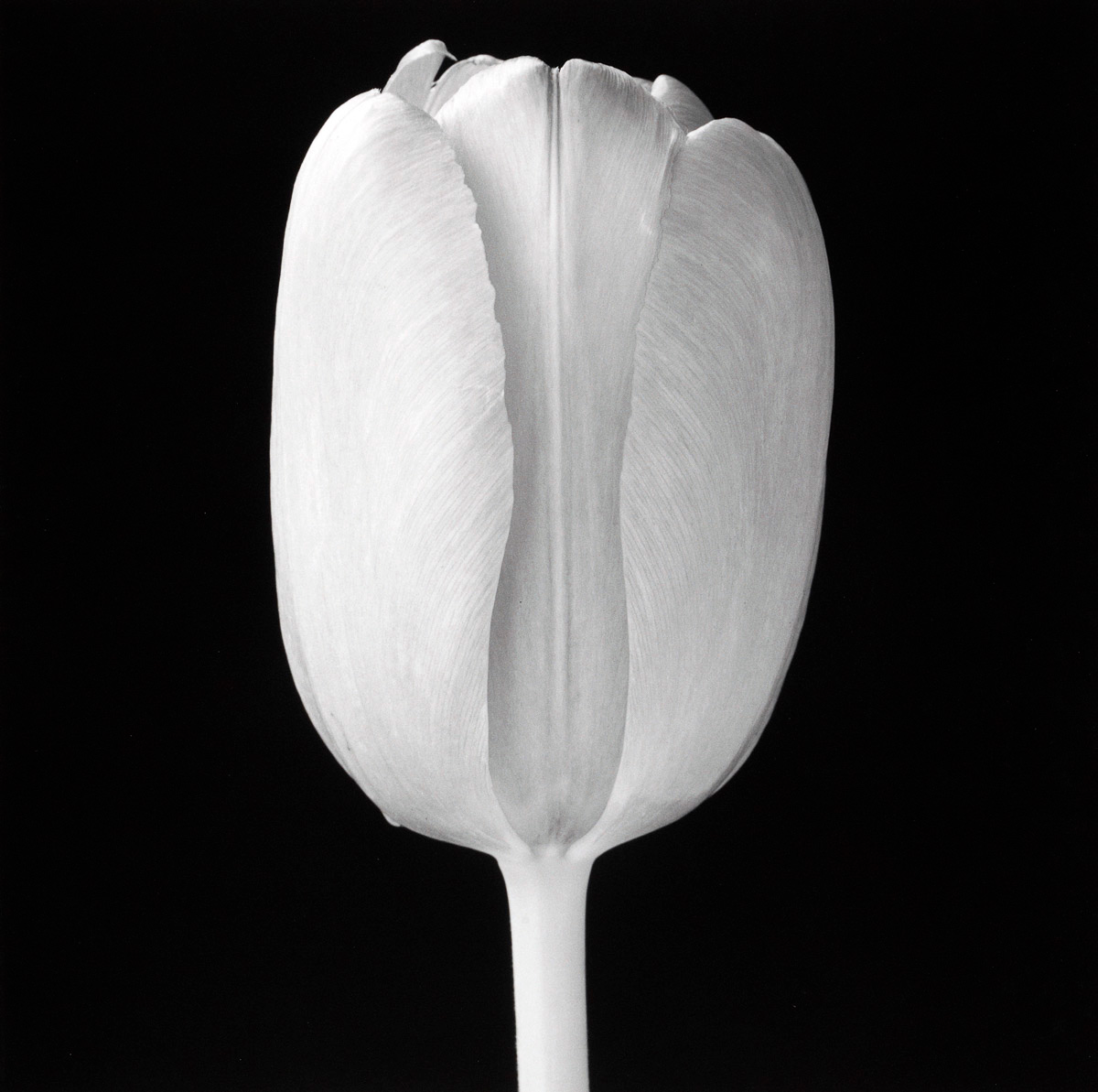
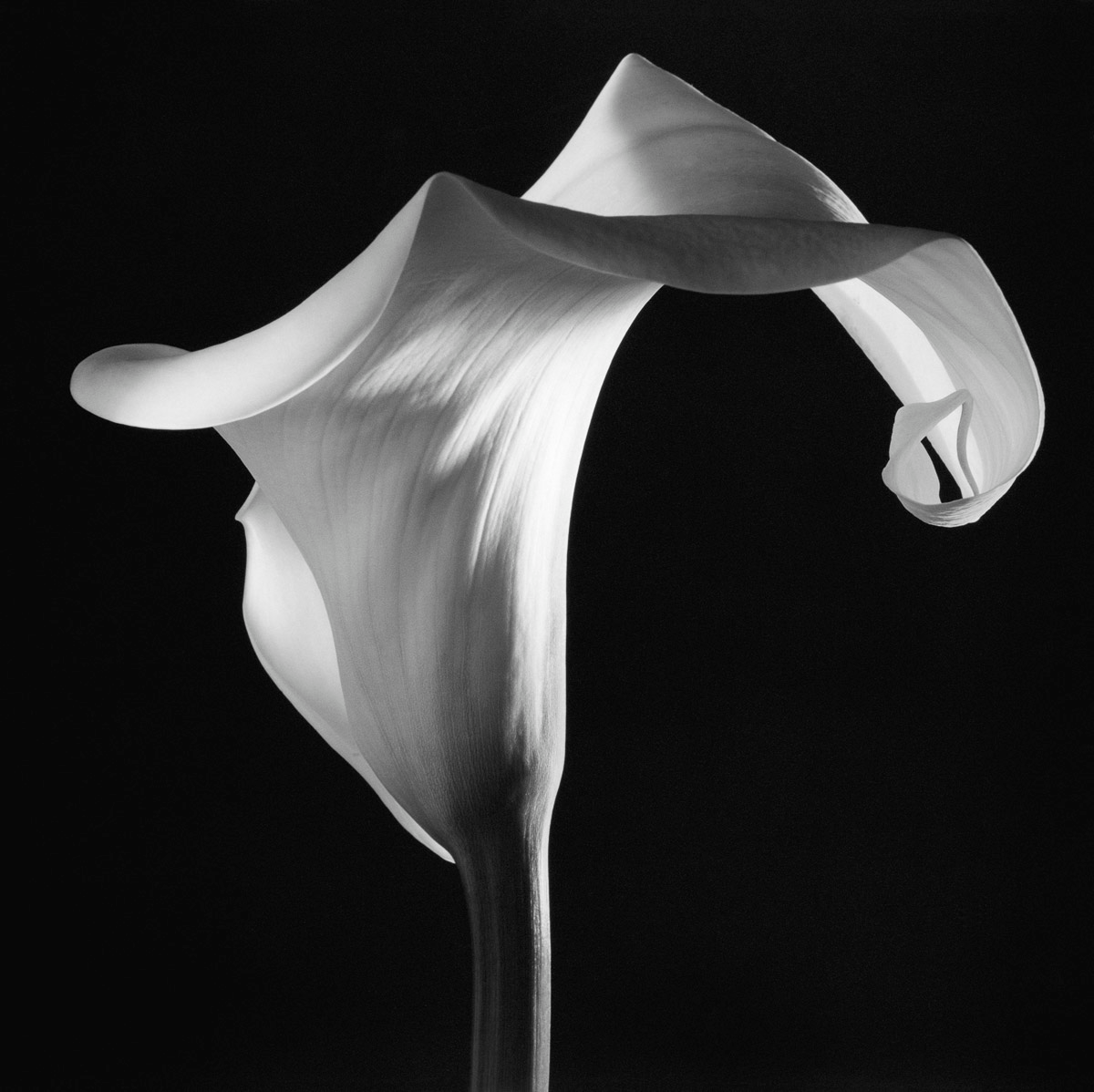
A single calla lily rises from darkness. Its stem arcs upward before the bloom opens toward the light, the white petals unfolding against a field of deep black. Directional light grazes the surface, describing every curve and fold until the flower appears less like a botanical specimen than a sculptural form emerging from shadow.
The photograph reads not as botanical documentation but as an encounter with form. The image makes no claim about what a lily is. It makes a claim about what a form can be. The eye lingers on the curve of the petal, tracing its edge the way one might follow the contour of a carved surface.
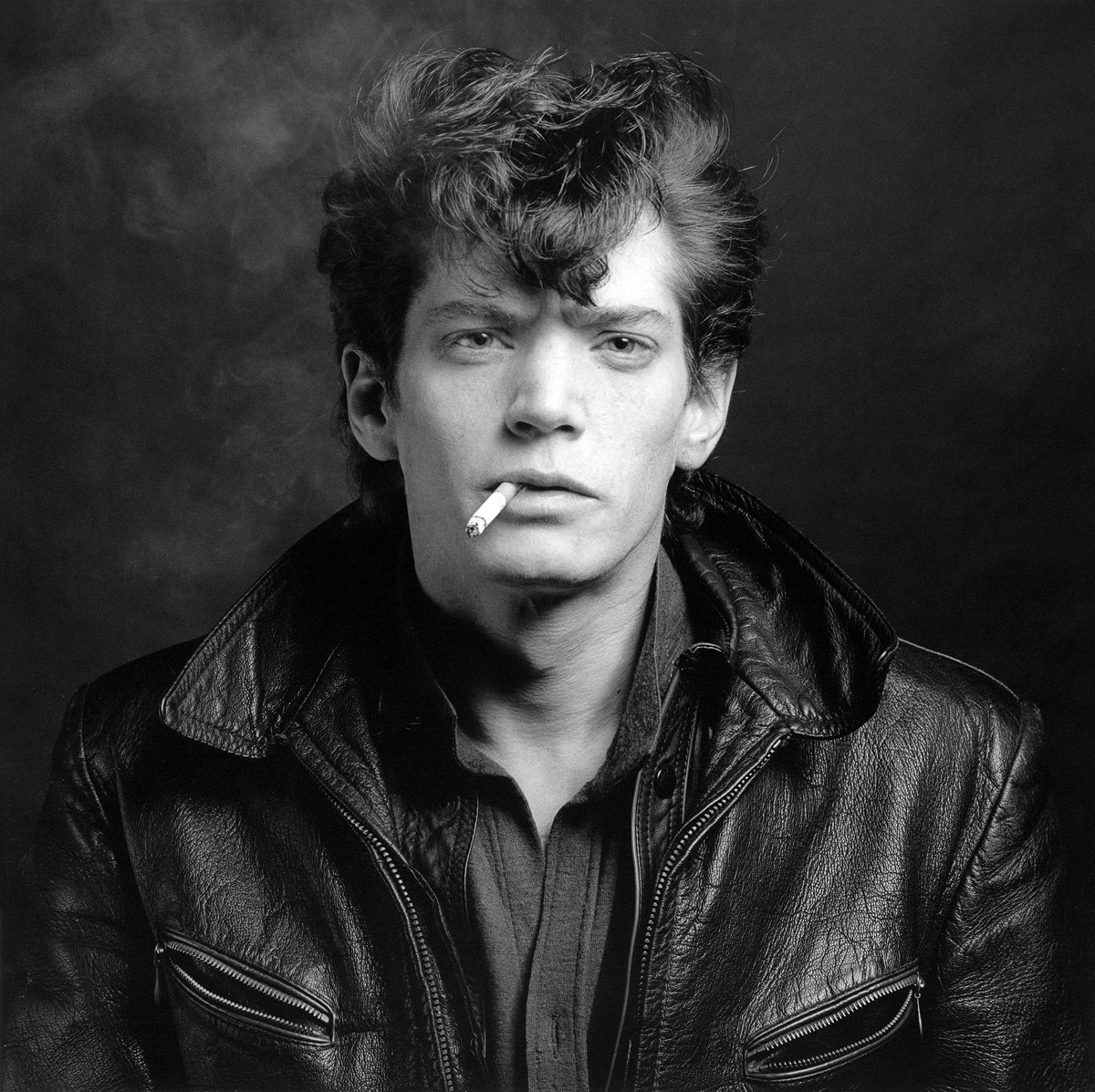
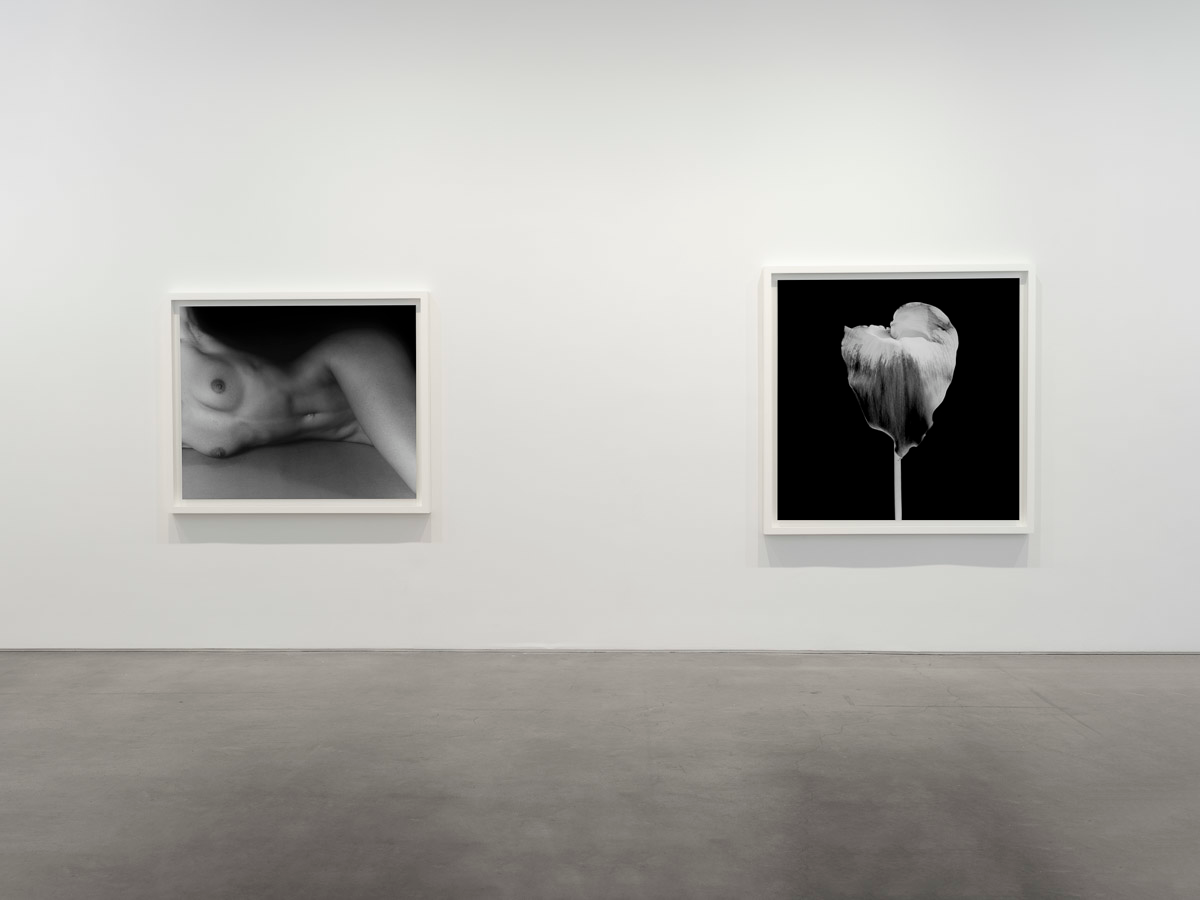
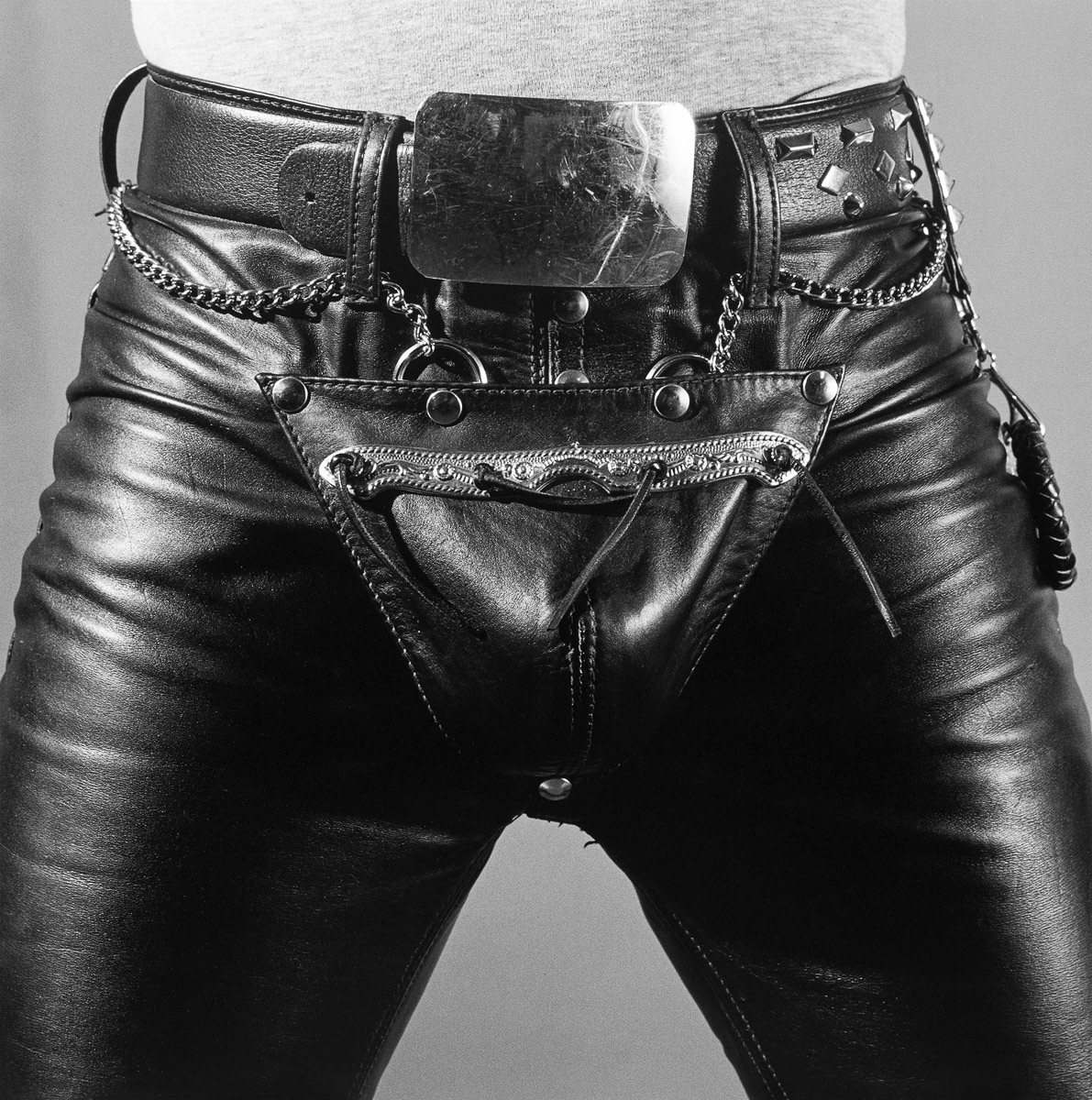
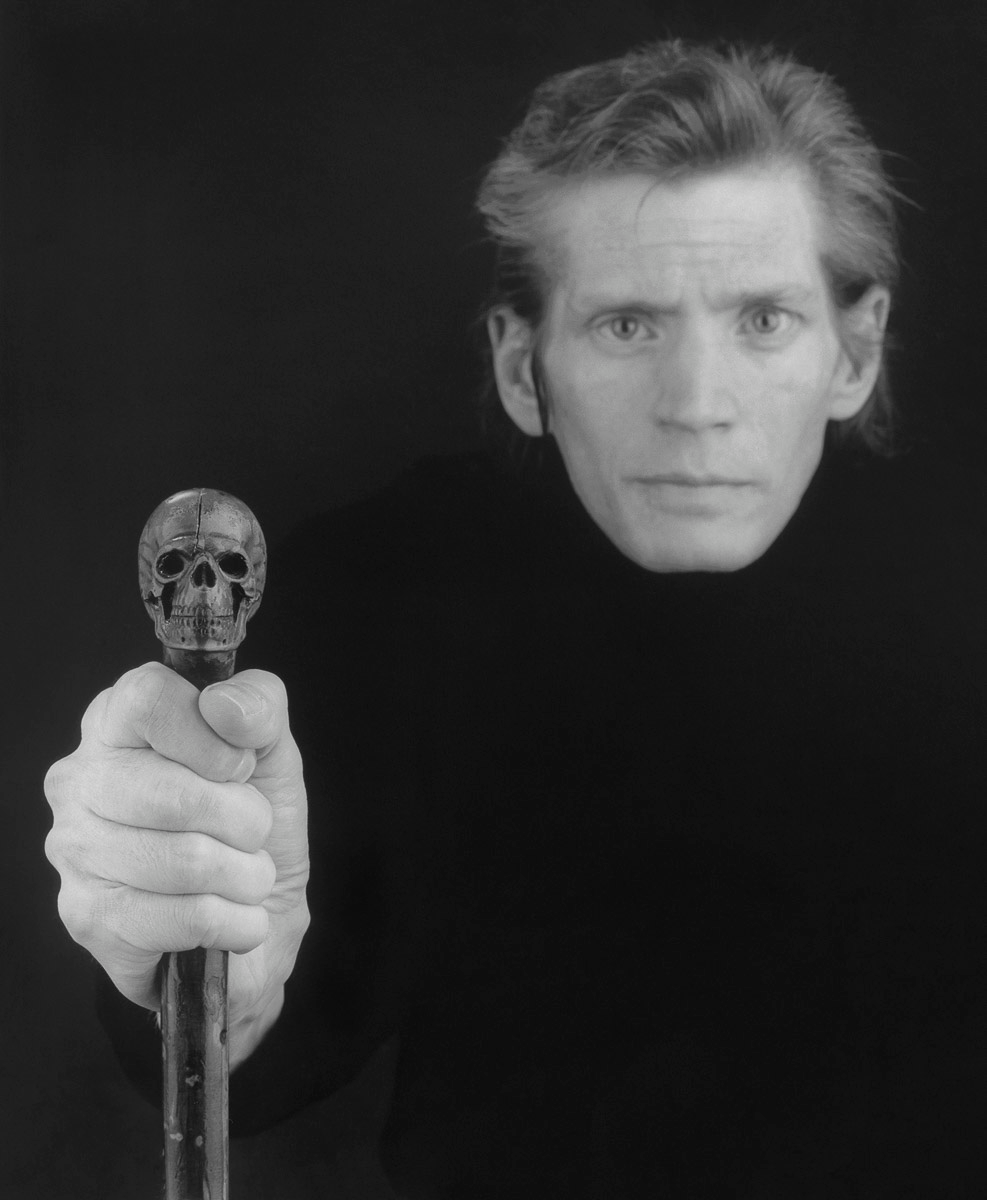
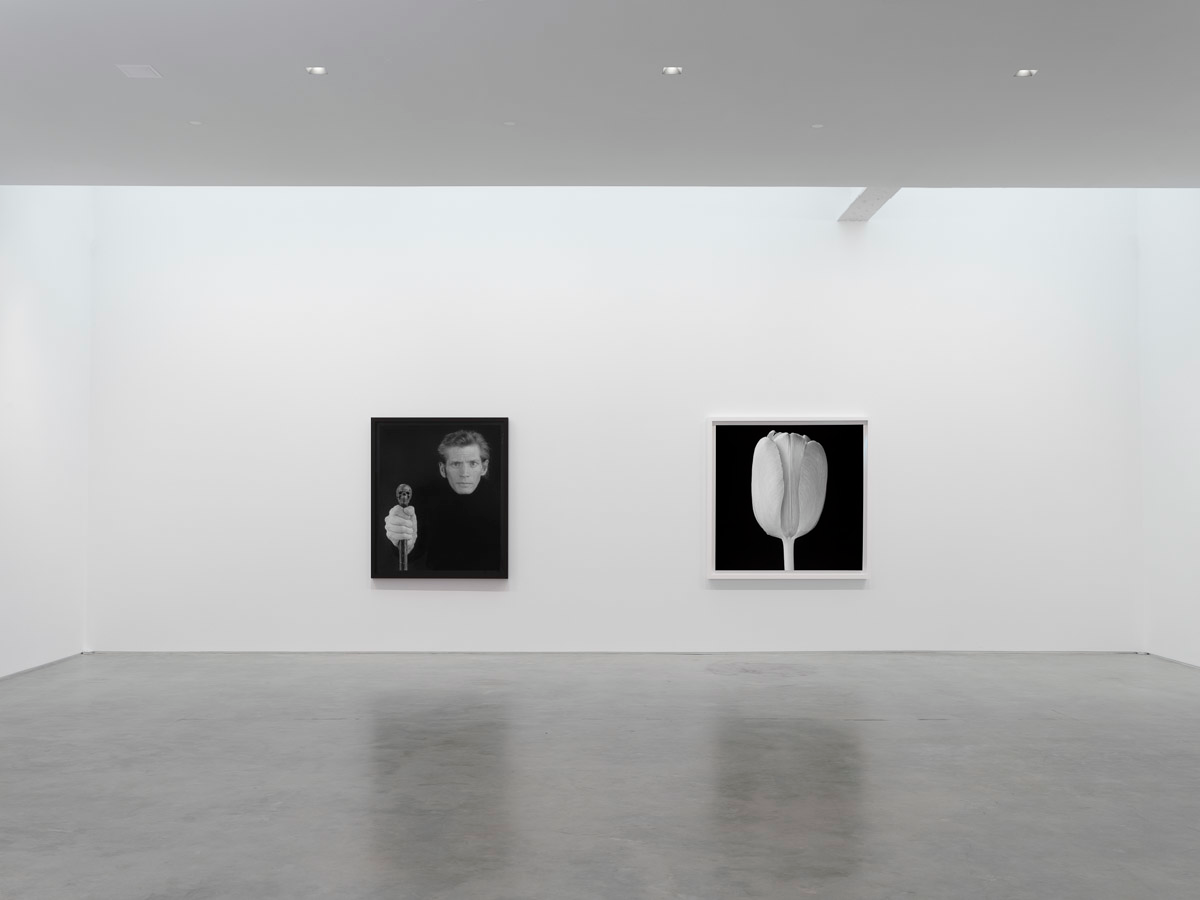
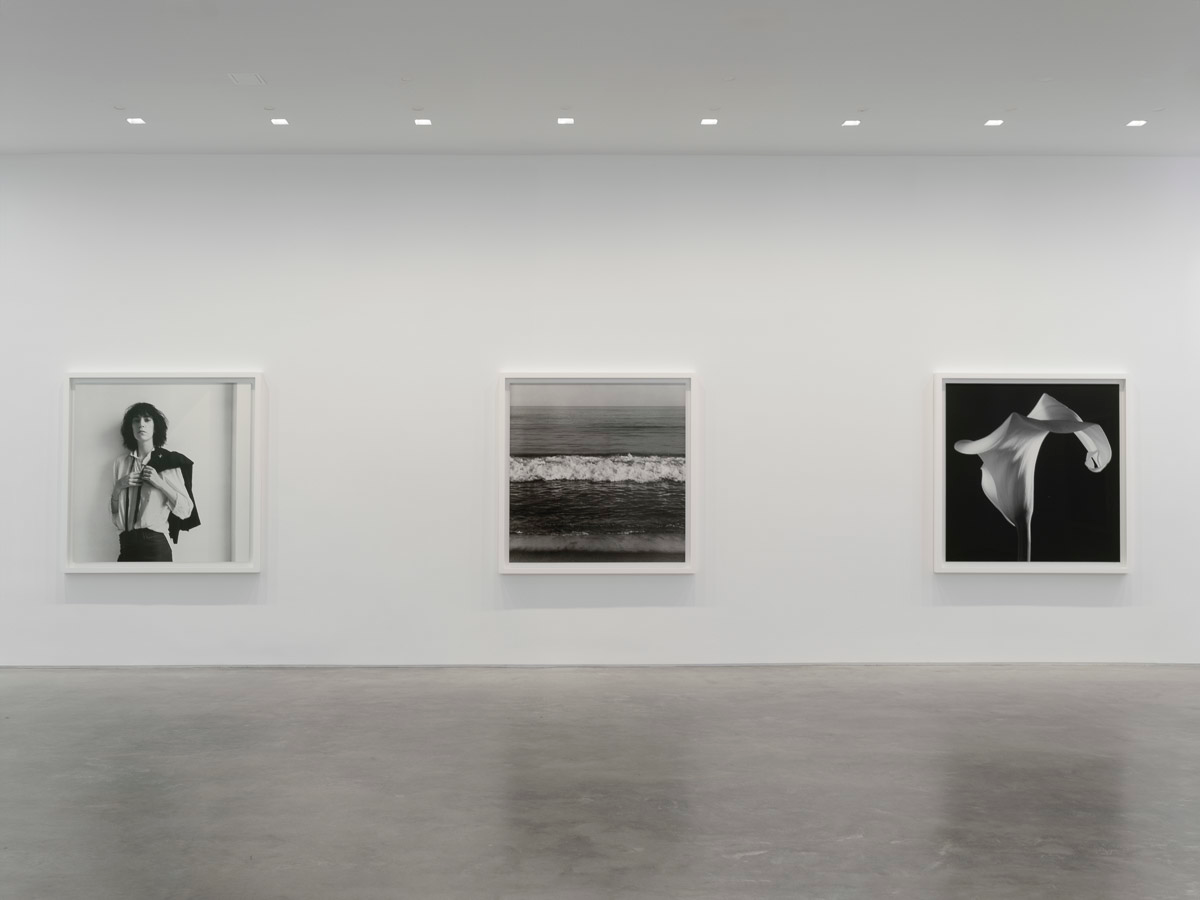
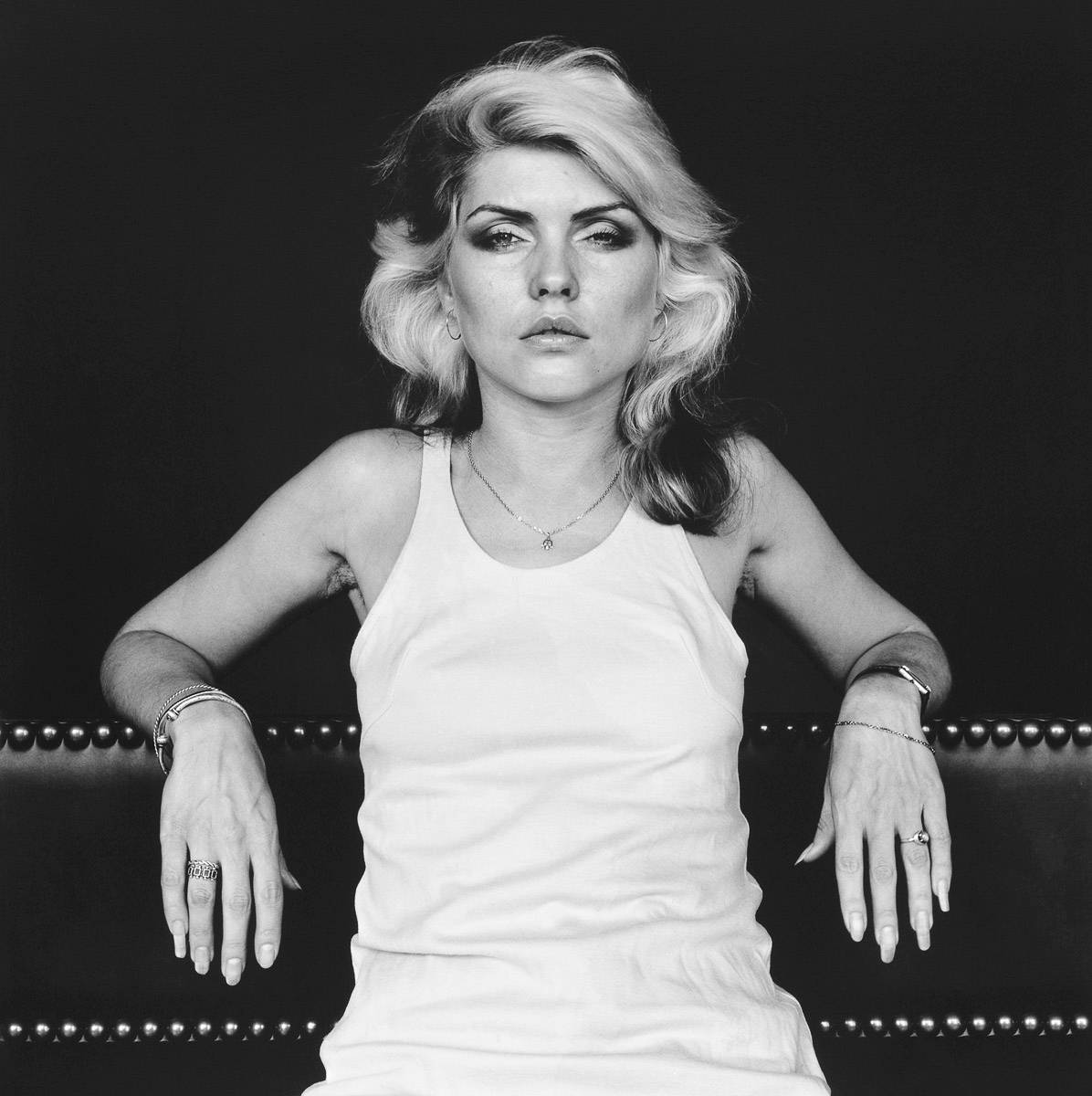
This clarity is not limited to Mapplethorpe’s flower studies. Across portraits, nudes, and still lifes, radically different subjects undergo the same visual operation. Each appears isolated against darkness, positioned within the square frame, and illuminated by precise directional light. Whether the subject is a flower, a body, or a face, the studio apparatus enforces the same condition: isolate the form, stabilize its position, and allow light to define its volume.
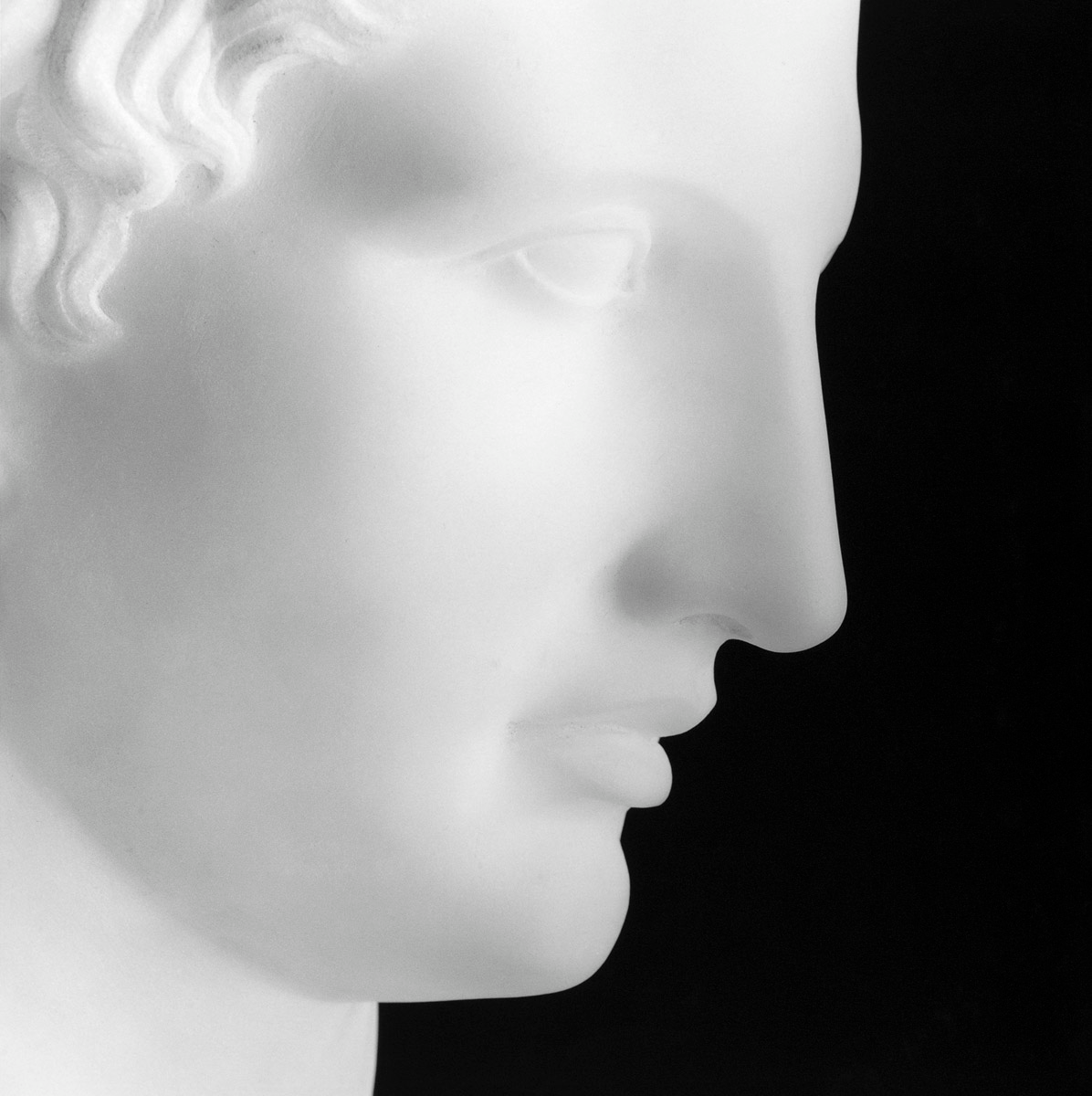
Seen this way, Mapplethorpe falls into a longer tradition of form-making more commonly associated with sculpture than photography. Classical sculpture has long relied on similar conditions. The figure is removed from its surroundings, placed in controlled light, and presented so its structure becomes legible as volume and contour. From plaster casts in academic studios to the marble figures of antiquity, isolation and illumination clarify the form. The light in these images is never neutral; it behaves like a sculptor’s tool.
Mapplethorpe’s studio recreates these conditions through the camera. The suppression of context, the frontal presentation of the subject, and the careful modulation of light all function together to reveal the physical structure of what stands before the lens. The effect is sculptural.
This approach emerged at a moment when painting had turned away from the classical figure. By the late twentieth century, abstraction and conceptual practices had moved painting elsewhere. Photography stepped into the space that shift left behind. Within the darkened studio, Mapplethorpe revived an older sculptural discipline using the camera as his instrument.
The square frame plays a crucial role in this system. The eye behaves differently inside a square. It does not travel across the image so much as settle into it. Horizontal and vertical tensions remain balanced, stabilizing the subject within a field of equal forces. In Mapplethorpe’s photographs, the square frame functions almost like a sculptural pedestal. It holds the subject in equilibrium, allowing the viewer to encounter the form directly rather than through narrative or context.
Within this apparatus, distinctions between subjects begin to dissolve. A calla lily photographed under hard directional light occupies the frame with the same compositional stability as a torso or a portrait sitter. Mapplethorpe once explained his method simply: “Basically, I try to get it in the same position I would if it were a solitary object.” The remark reveals the underlying logic of the studio. Each subject is treated not as a symbol or narrative figure but as an object of form.
The material qualities of the prints reinforce this transformation. The blacks in these images are not empty; they feel inhabited. Working primarily with silver gelatin and platinum processes, Mapplethorpe produced photographs of remarkable tonal depth. Light seems to inhabit the surface of the print itself, giving the image a density that resists the flatness usually associated with photography. Mapplethorpe emphasized this objecthood when he remarked, “I don’t see them as photographs anymore. I see them as objects that happen to use photography.”
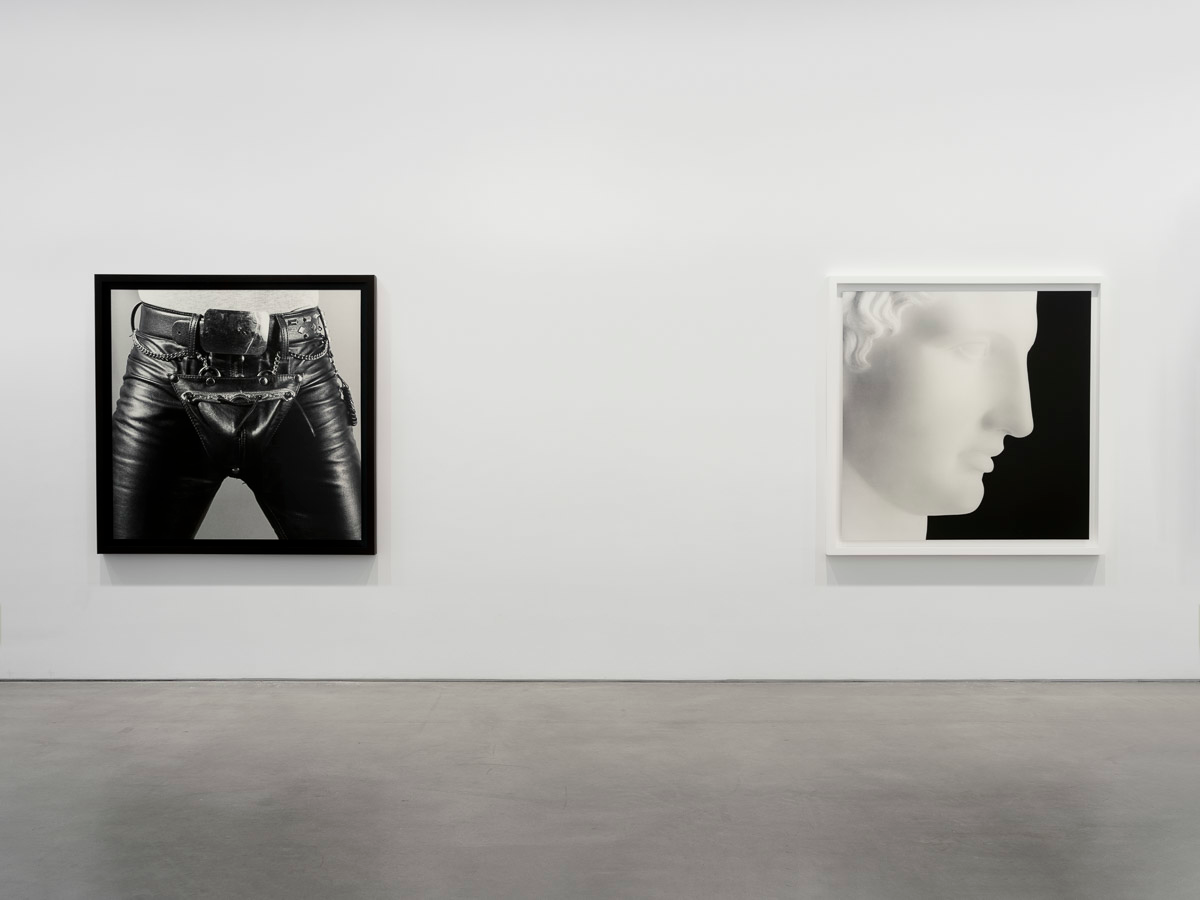
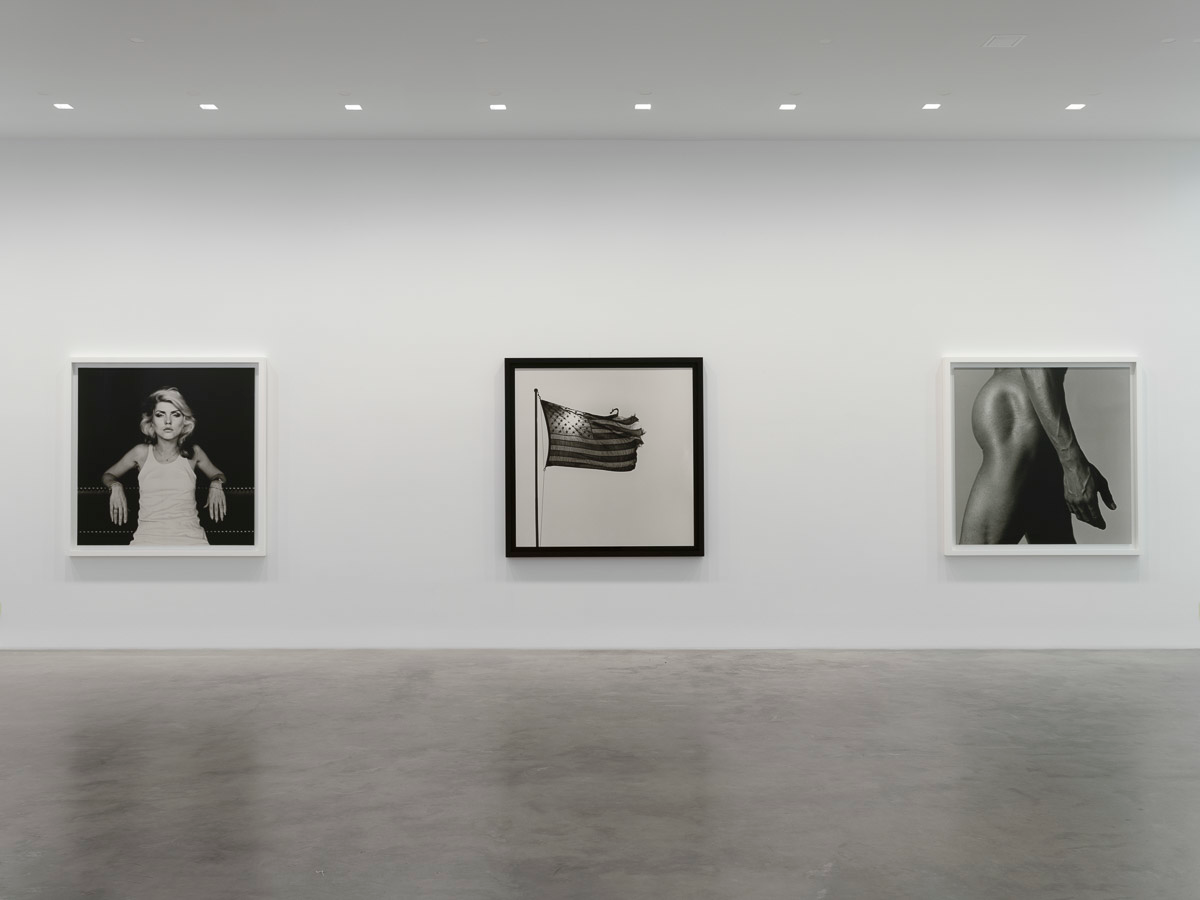
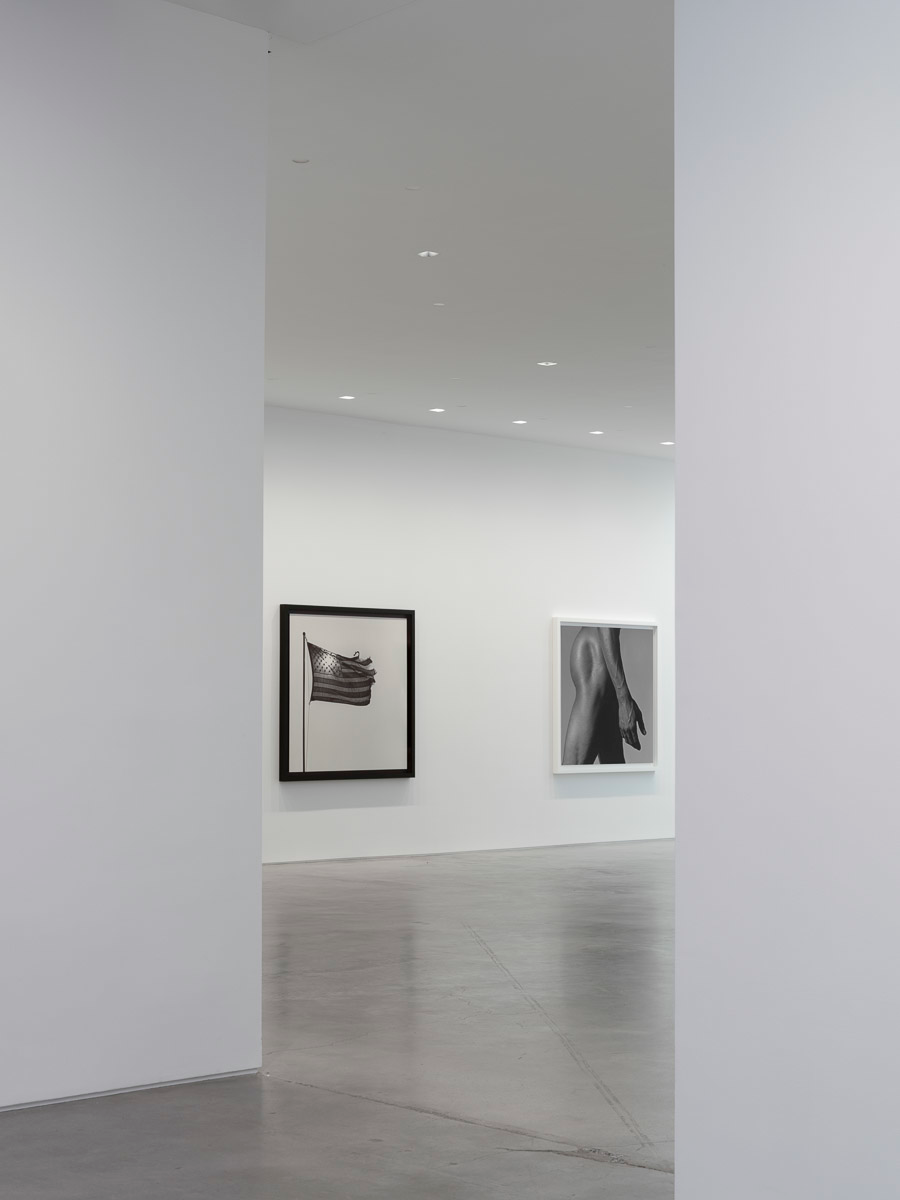
The monumental prints presented in this exhibition bring that ambition fully into view. Standing before them, the eye adjusts slowly, as if entering a darker room. At small scale a photograph can remain an image — something viewed quickly before attention moves elsewhere. Enlarged to monumental size, the photograph becomes something else entirely. The viewer encounters not simply a depiction but a physical presence occupying space.
Seen together, the works reveal a single operational discipline running through Mapplethorpe’s practice. Within the studio apparatus, isolation clarifies form, light defines volume, and the square frame stabilizes the encounter. The camera does not merely record appearances. It produces form.
Robert Mapplethorpe’s studio operated less as a site of photographic capture than as an apparatus for producing form. By isolating subjects against darkness, stabilizing them within the square frame, and shaping them through directional light, the studio converted radically different subjects—flowers, bodies, and portraits—into variations of the same sculptural problem. What appears to be a photograph becomes something closer to a constructed object: a form clarified through light, proportion, and scale.
Seen this way, Mapplethorpe’s practice reconnects photography to a longer tradition of sculptural form-making. At a moment when painting had largely abandoned the classical study of the isolated figure, the camera became a new instrument through which form could again be encountered with clarity.
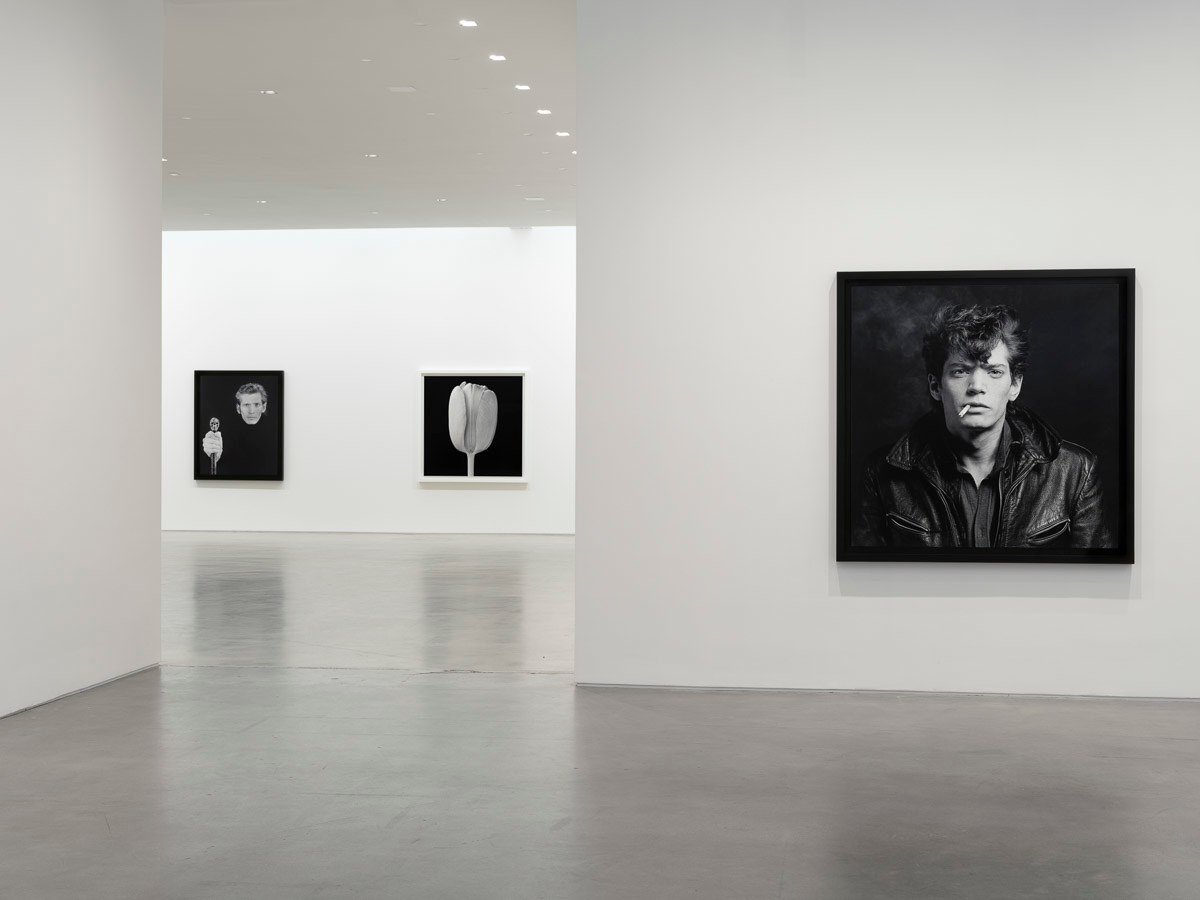

1. Installation view: Robert Mapplethorpe, Gladstone Gallery, New York, 2026. Artwork © Robert Mapplethorpe Foundation. Courtesy Gladstone Gallery.
2. Robert Mapplethorpe, Self Portrait, 1980. Silver gelatin print, 54 × 54 in (137.2 × 137.2 cm); framed: 60 1/4 × 60 1/4 × 2 5/8 in (153 × 153 × 6.7 cm). © Robert Mapplethorpe Foundation.
3. Installation view: Robert Mapplethorpe, Gladstone Gallery, New York, 2026. Artwork © Robert Mapplethorpe Foundation. Courtesy Gladstone Gallery.
4. Robert Mapplethorpe, Calla Lily, 1988. Silver gelatin print, 54 × 54 in (137.2 × 137.2 cm); framed: 60 1/4 × 60 1/4 × 2 5/8 in (153 × 153 × 6.7 cm). © Robert Mapplethorpe Foundation.
5. Robert Mapplethorpe, Leather Crotch, 1980. Silver gelatin print, 54 × 54 in (137.2 × 137.2 cm); framed: 60 1/4 × 60 1/4 × 2 5/8 in (153 × 153 × 6.7 cm). © Robert Mapplethorpe Foundation.
6. Installation view: Robert Mapplethorpe, Gladstone Gallery, New York, 2026. Artwork © Robert Mapplethorpe Foundation. Courtesy Gladstone Gallery.
7. Robert Mapplethorpe, Ermes, 1988. Silver gelatin print, 54 × 54 in (137.2 × 137.2 cm); framed: 60 1/4 × 60 1/4 × 2 5/8 in (153 × 153 × 6.7 cm). © Robert Mapplethorpe Foundation.
8. Robert Mapplethorpe, Self Portrait, 1988. Silver gelatin print, 60 × 51 in (152.4 × 129.5 cm). © Robert Mapplethorpe Foundation.
9. Installation view: Robert Mapplethorpe, Gladstone Gallery, New York, 2026. Artwork © Robert Mapplethorpe Foundation. Courtesy Gladstone Gallery.
10. Robert Mapplethorpe, Tulip, 1988. Silver gelatin print, 54 × 54 in (137.2 × 137.2 cm); framed: 60 1/4 × 60 1/4 × 2 5/8 in (153 × 153 × 6.7 cm). © Robert Mapplethorpe Foundation.
11. Robert Mapplethorpe, Patti Smith, 1975. Silver gelatin print, 54 × 54 in (137.2 × 137.2 cm); framed: 60 1/4 × 60 1/4 × 2 5/8 in (153 × 153 × 6.7 cm). © Robert Mapplethorpe Foundation.
12. Installation view: Robert Mapplethorpe, Gladstone Gallery, New York, 2026. Artwork © Robert Mapplethorpe Foundation. Courtesy Gladstone Gallery.
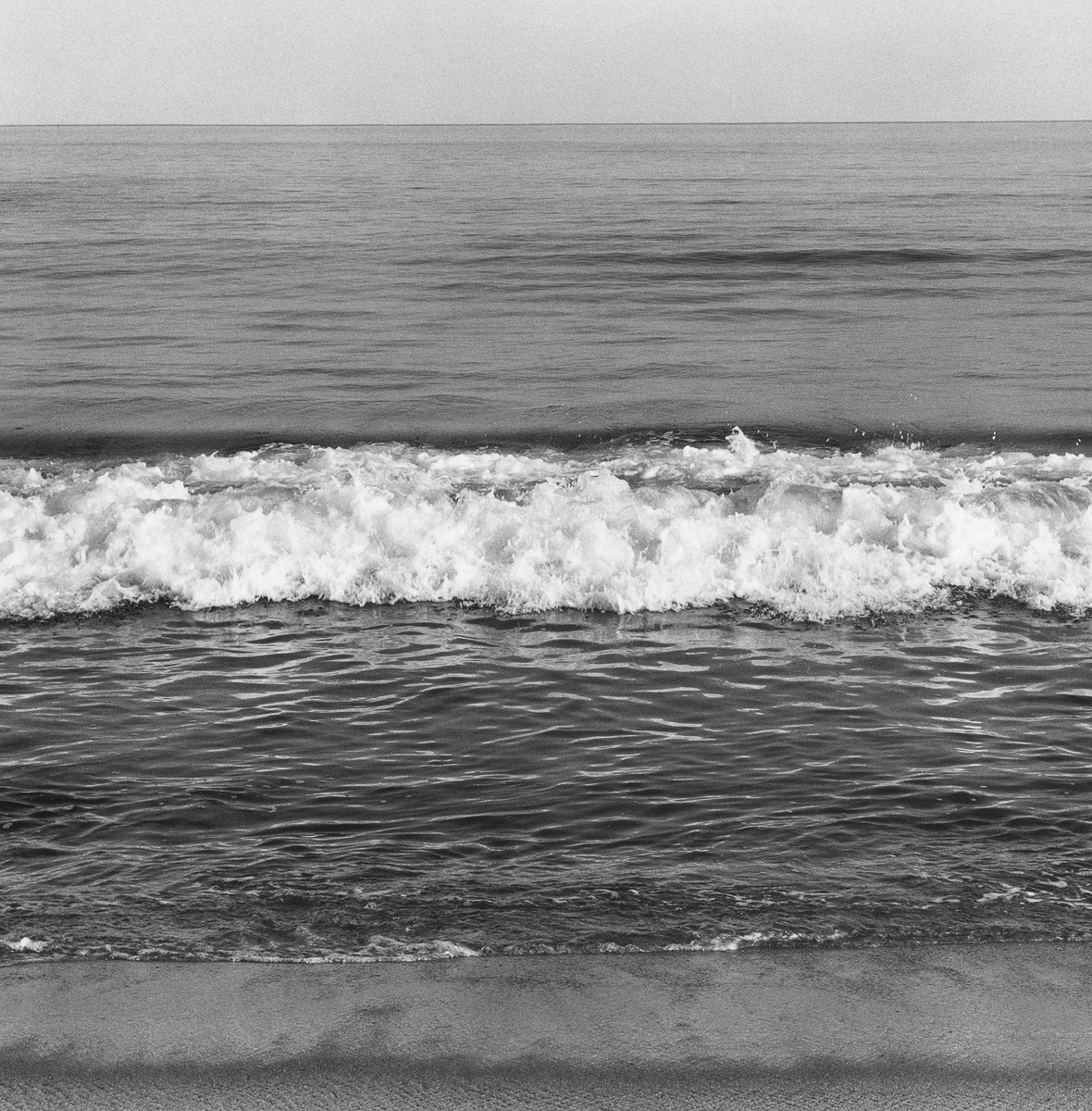
13. Robert Mapplethorpe, Waves, 1981. Silver gelatin print, 54 × 54 in (137.2 × 137.2 cm); framed: 60 1/4 × 60 1/4 × 2 5/8 in (153 × 153 × 6.7 cm). © Robert Mapplethorpe Foundation.
14. Robert Mapplethorpe, Calla Lily, 1988. Silver gelatin print, 54 × 54 in (137.2 × 137.2 cm); framed: 60 1/4 × 60 1/4 × 2 5/8 in (153 × 153 × 6.7 cm). © Robert Mapplethorpe Foundation.
15. Robert Mapplethorpe, Deborah Harry, 1978. Silver gelatin print, 54 × 54 in (137.2 × 137.2 cm); framed: 60 1/4 × 60 1/4 × 2 5/8 in (153 × 153 × 6.7 cm). © Robert Mapplethorpe Foundation.
16. Installation view: Robert Mapplethorpe, Gladstone Gallery, New York, 2026. Artwork © Robert Mapplethorpe Foundation. Courtesy Gladstone Gallery.
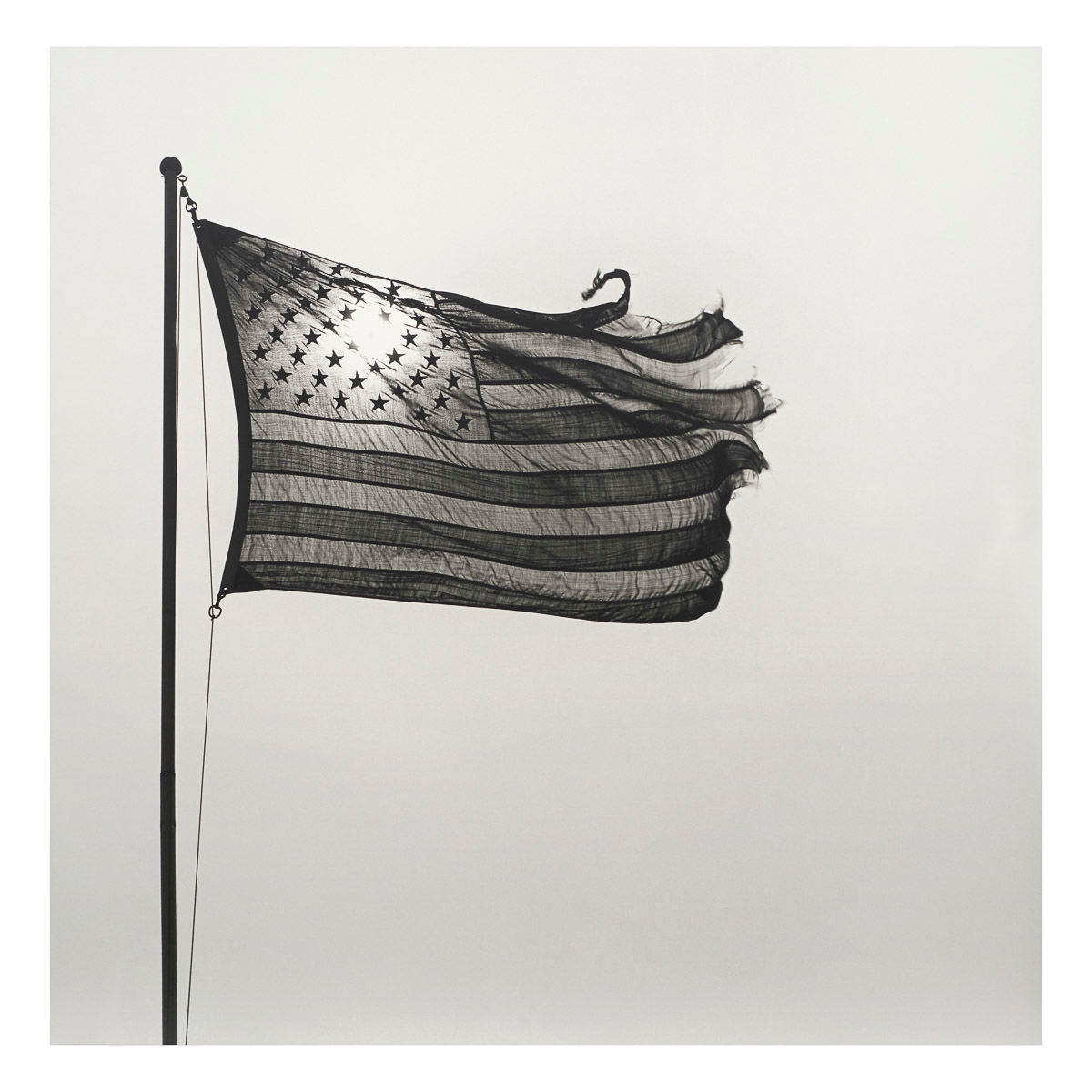
17. Robert Mapplethorpe, American Flag, 1977. Silver gelatin print, 54 × 54 in (137.2 × 137.2 cm); framed: 60 1/4 × 60 1/4 × 2 5/8 in (153 × 153 × 6.7 cm). © Robert Mapplethorpe Foundation.
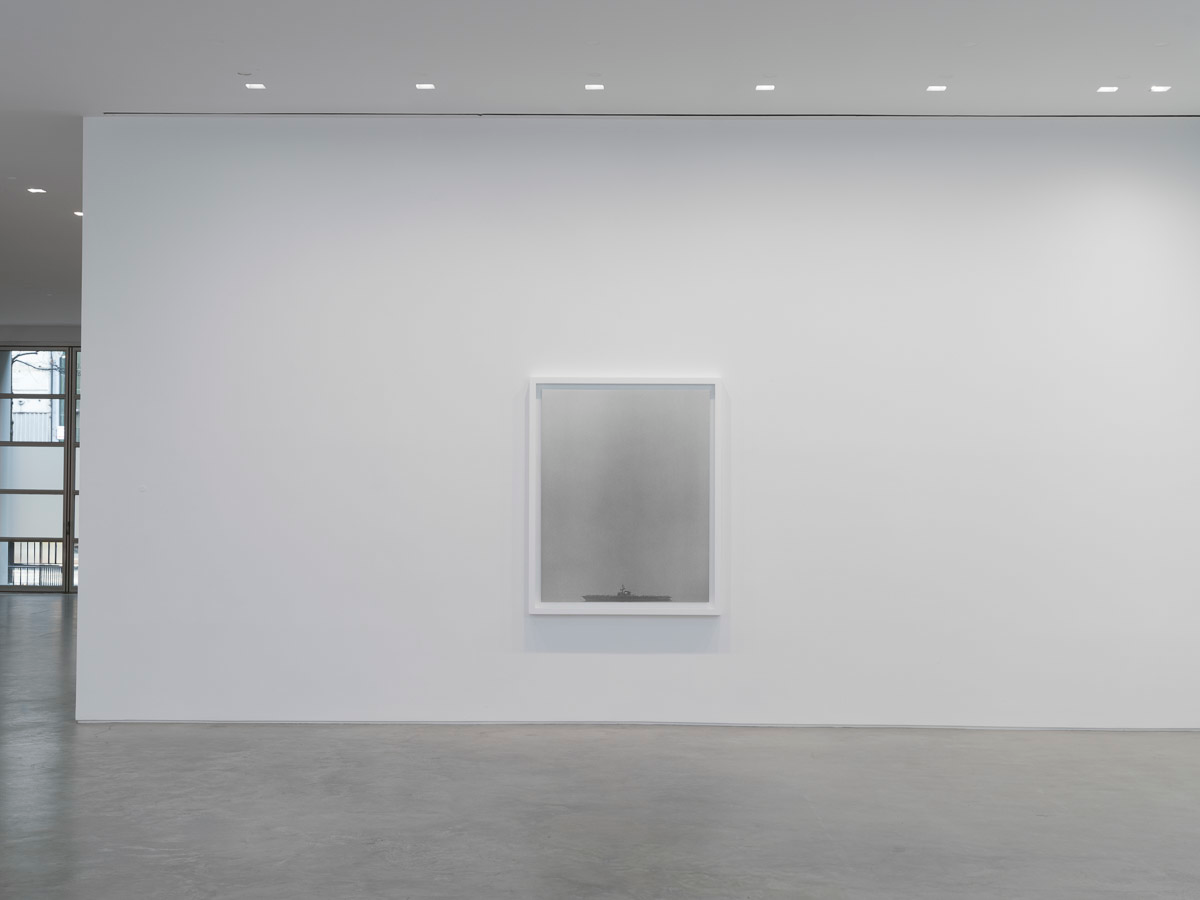
18. Installation view: Robert Mapplethorpe, Gladstone Gallery, New York, 2026. Artwork © Robert Mapplethorpe Foundation. Courtesy Gladstone Gallery.
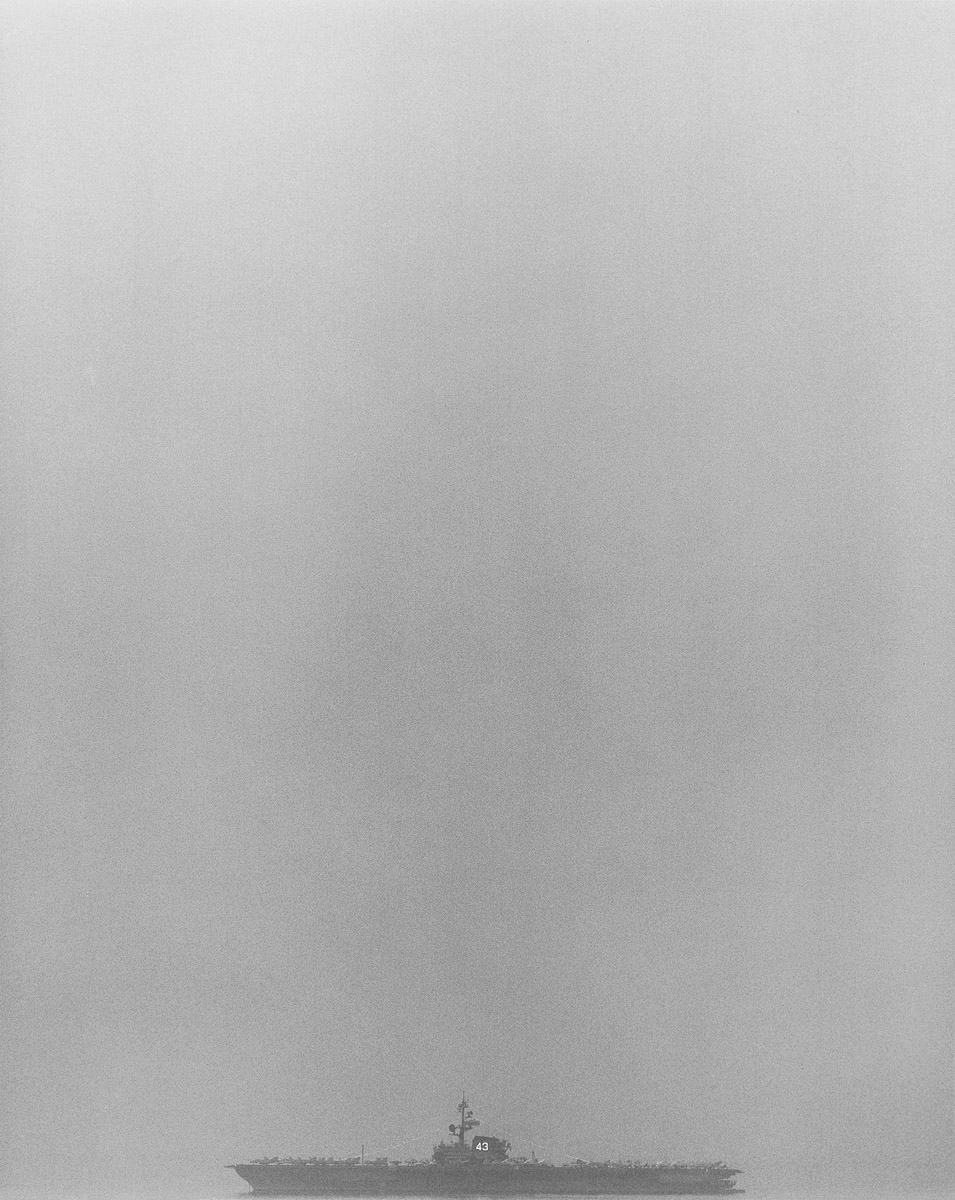
19. Robert Mapplethorpe, Coral Sea, 1983. Silver gelatin print, 60 × 49 in (152.4 × 124.5 cm). © Robert Mapplethorpe Foundation.
Cover: Installation view: Robert Mapplethorpe, Gladstone Gallery, New York, 2026. Artwork © Robert Mapplethorpe Foundation. Courtesy Gladstone Gallery.