Dorothea Rockburne built a world where mathematics becomes material structure.
Folding, measurement, and geometric proportion organize paper, pigment, and surface into spatial systems.
In her work, geometry operates not as image but as procedure.

Dorothea Rockburne built a world where mathematics becomes material structure.
Folding, measurement, and geometric proportion organize paper, pigment, and surface into spatial systems.
In her work, geometry operates not as image but as procedure.
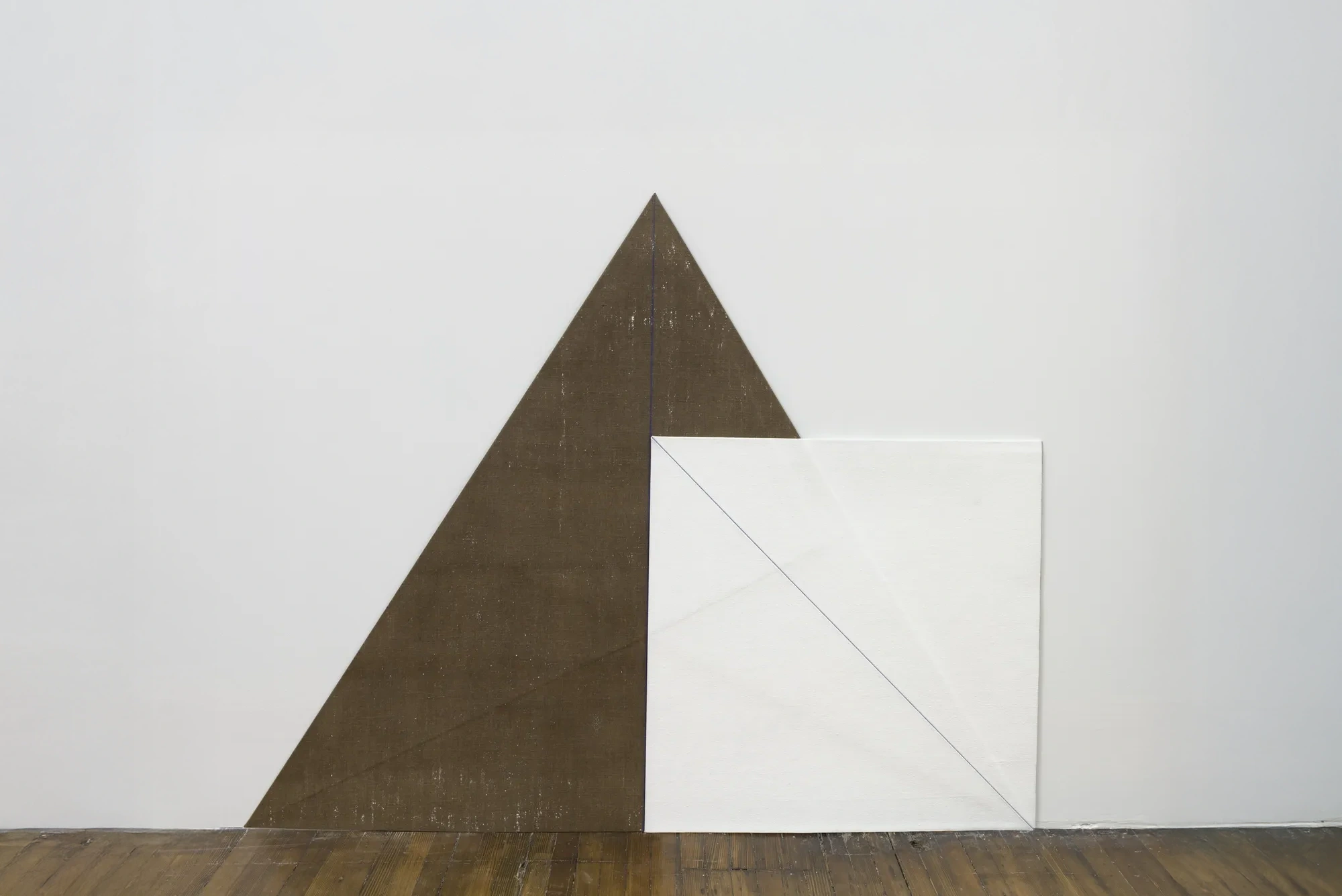
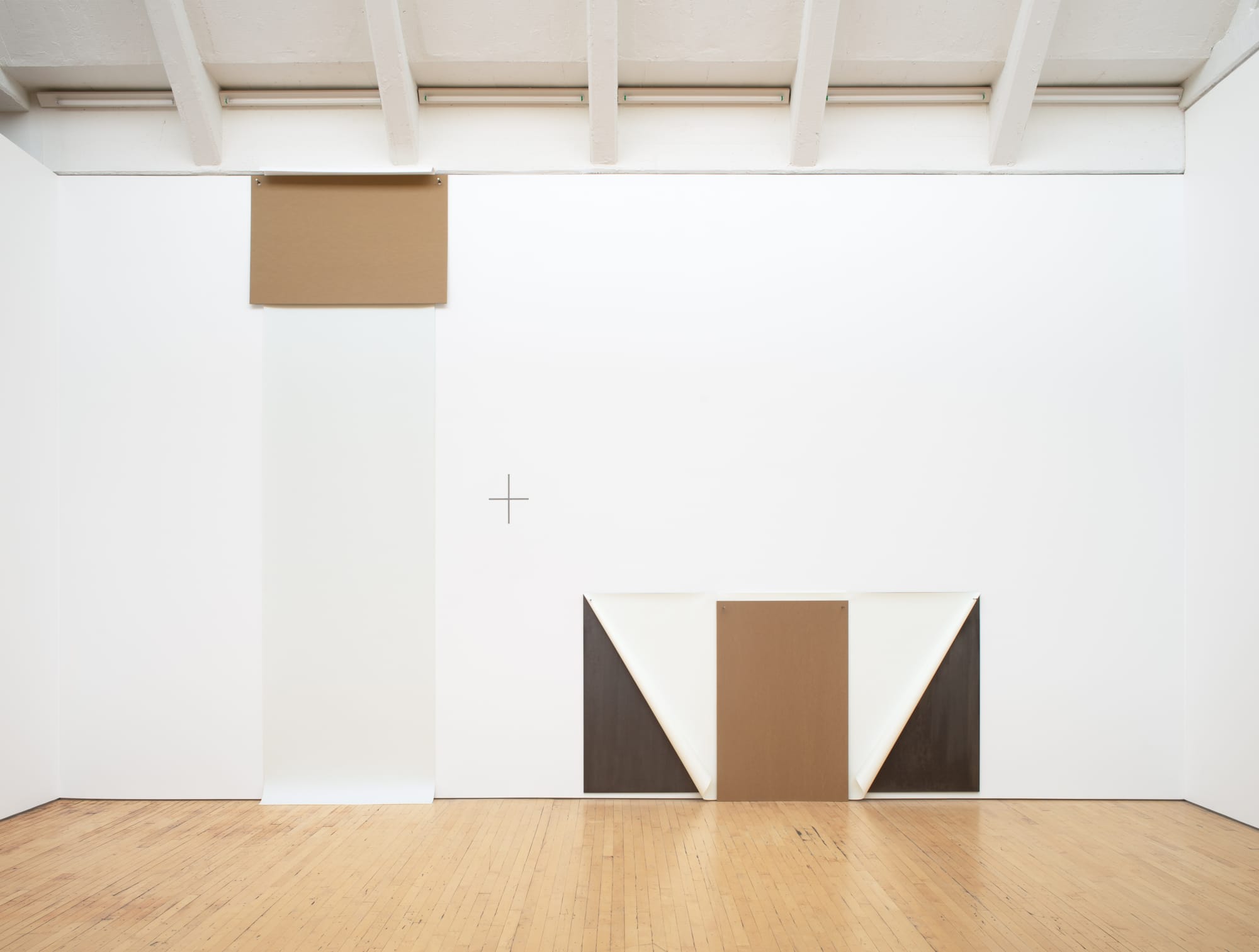
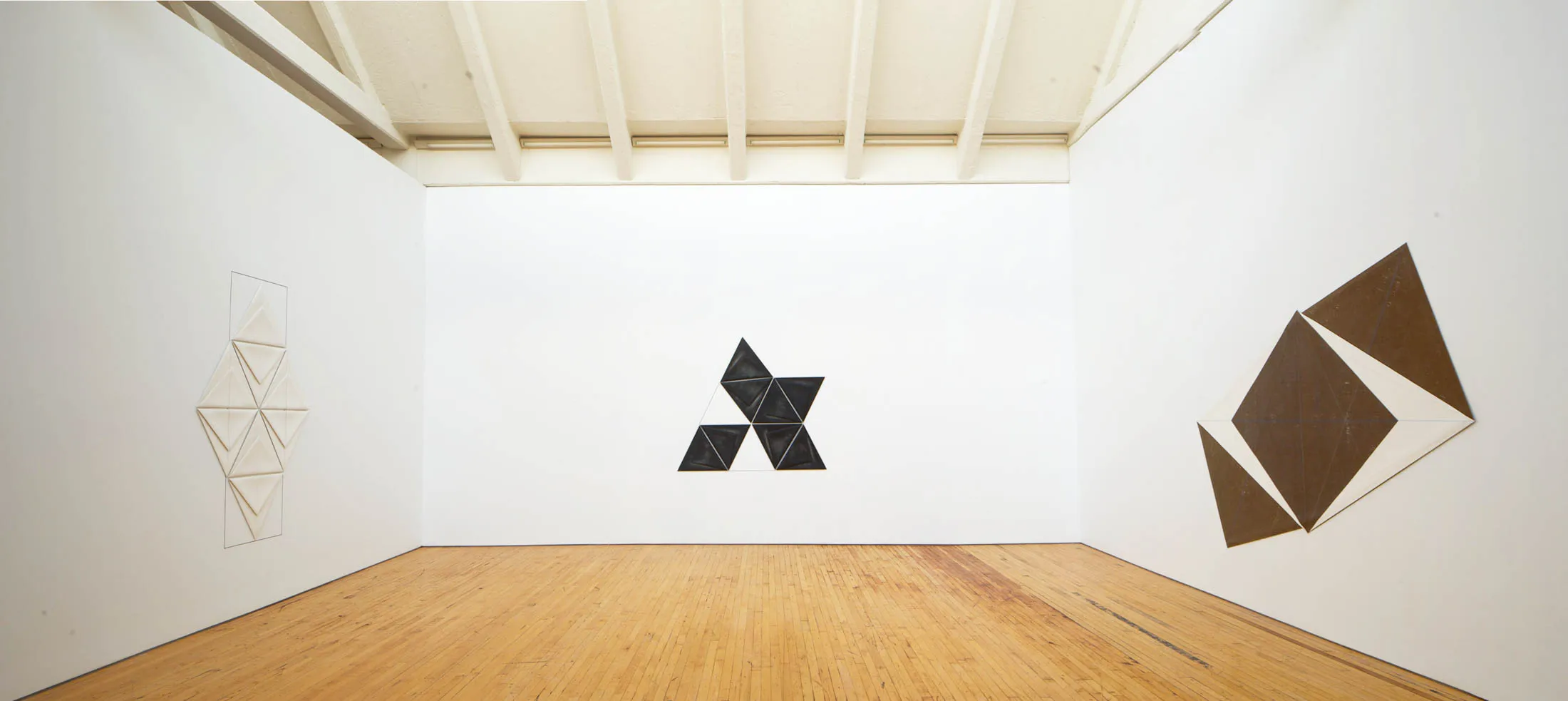
Dorothea Rockburne’s work begins with mathematical systems, but those systems are not illustrated.
They are enacted through material.
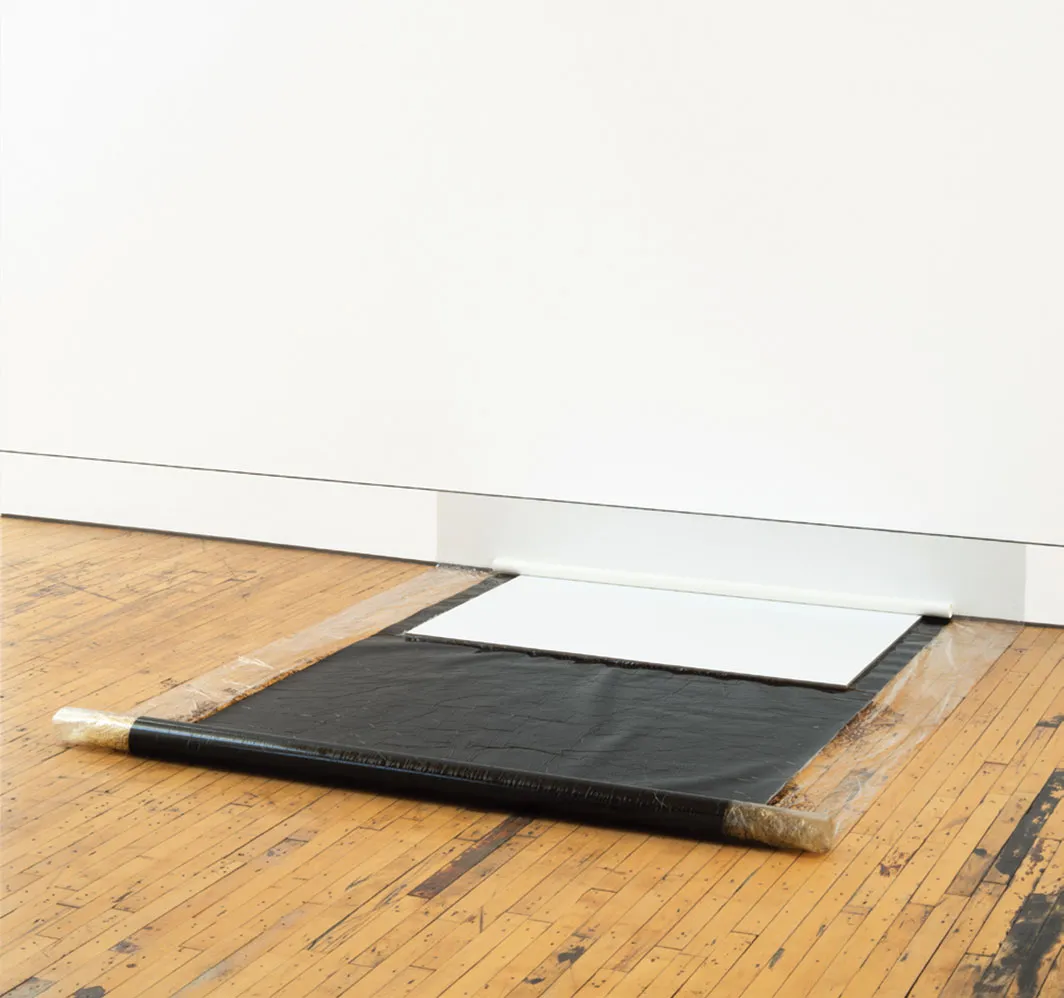
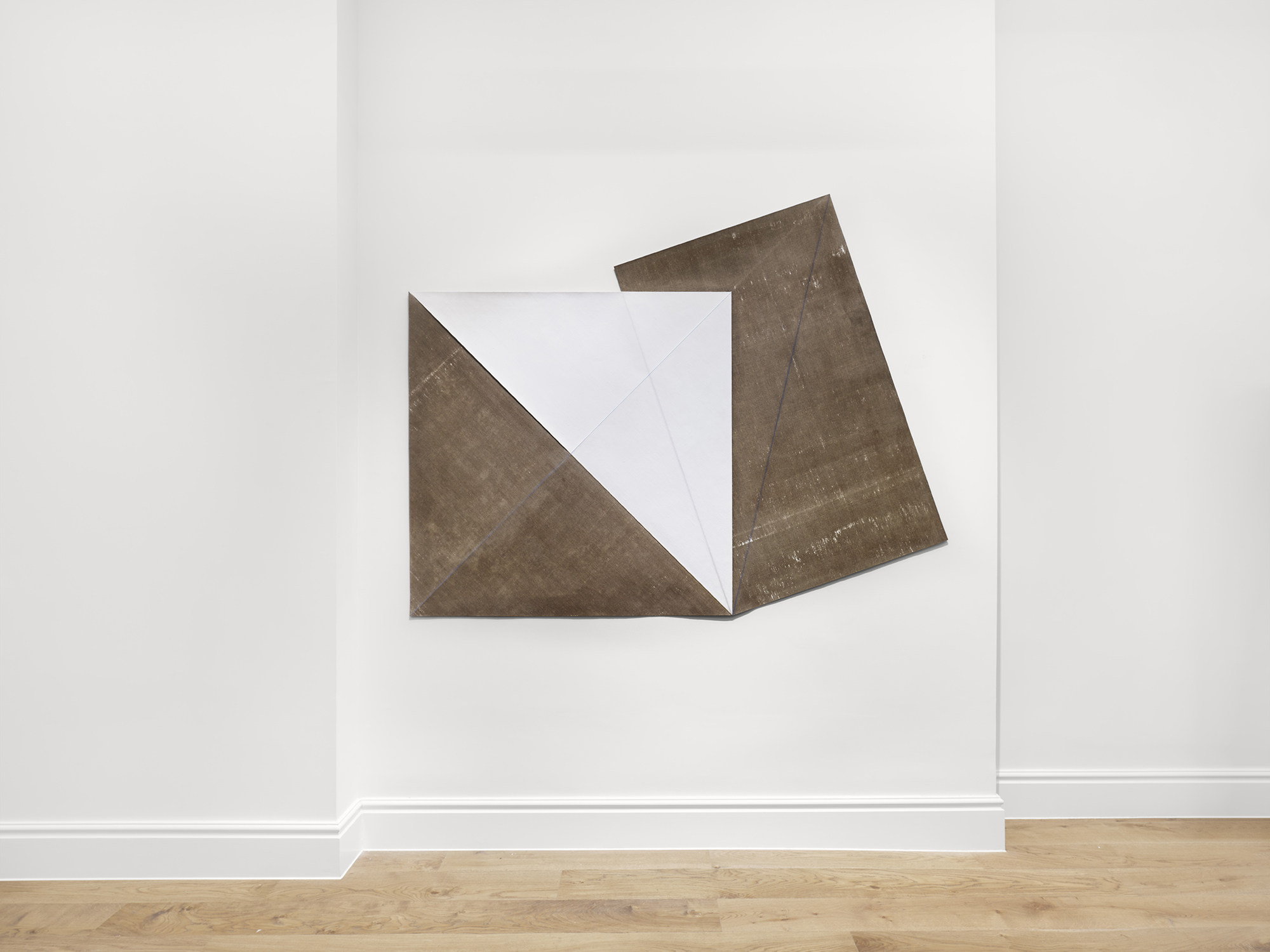
Paper is folded, cut, rotated, and repositioned according to proportional relationships drawn from geometry.
These operations transform the surface into a spatial structure where form emerges through measurement.
Material participates in the logic of the work.
Creases, edges, and folds become structural lines, allowing geometry to appear not as diagram but as physical event.
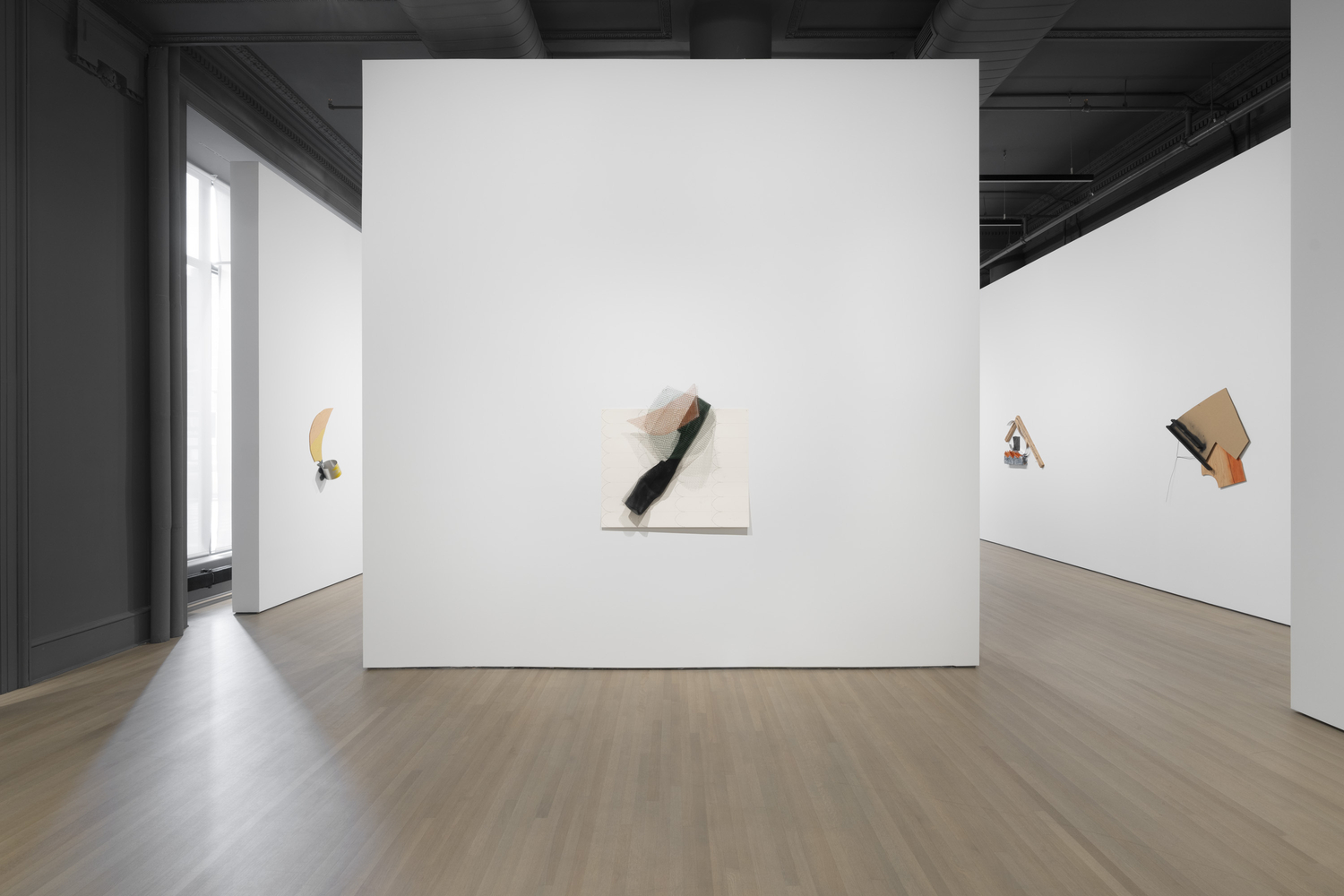
The work operates between drawing, sculpture, and architecture.
Geometry becomes visible through the interaction between mathematical procedure and material behavior.







1. Dorothea Rockburne photographed by James Hamilton for Vogue, June 1977. Photo © James Hamilton. Artwork © 2025 Dorothea Rockburne / Artists Rights Society (ARS), New York.
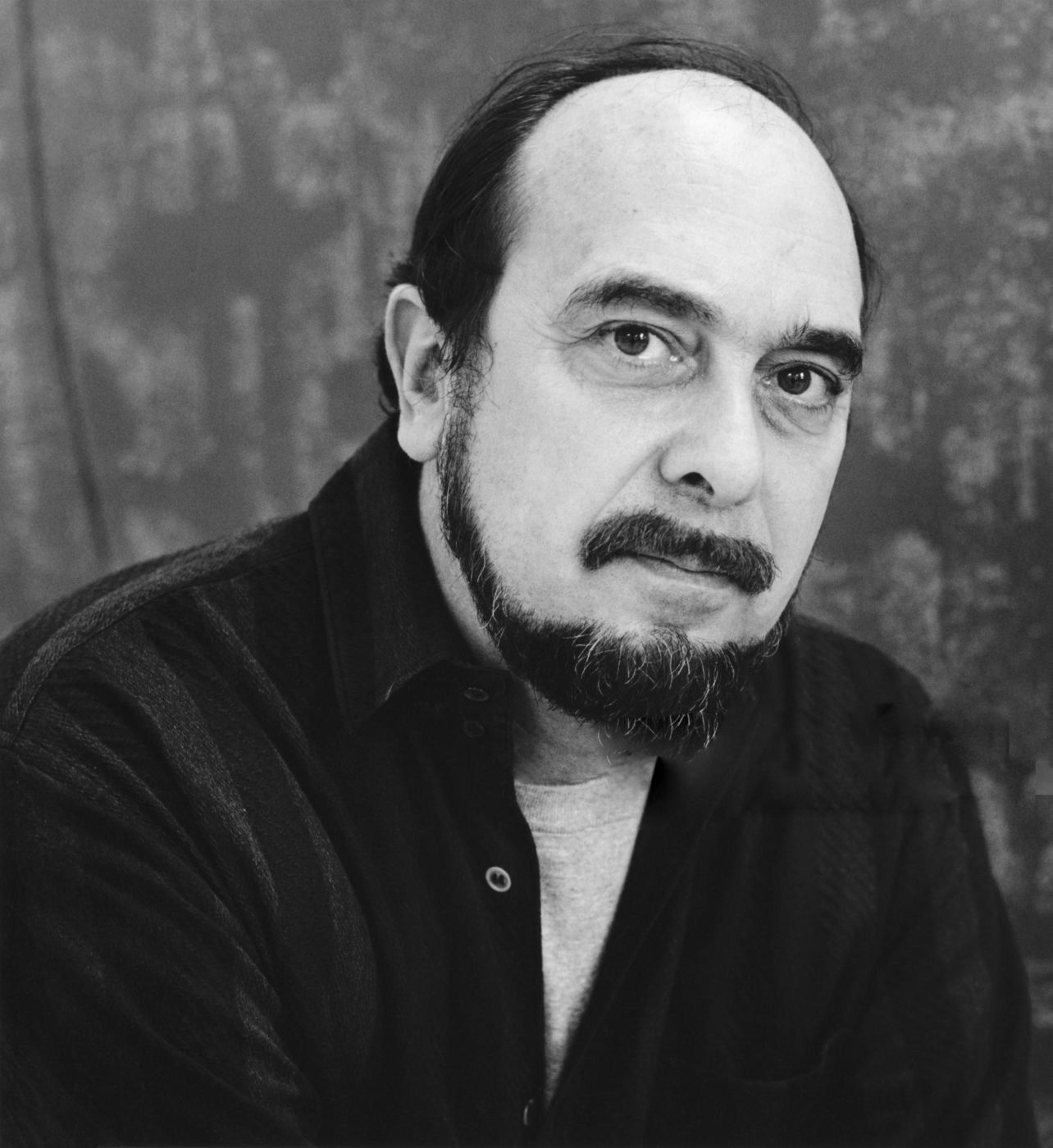
2. Dorothea Rockburne portrait. Courtesy David Nolan Gallery, New York.
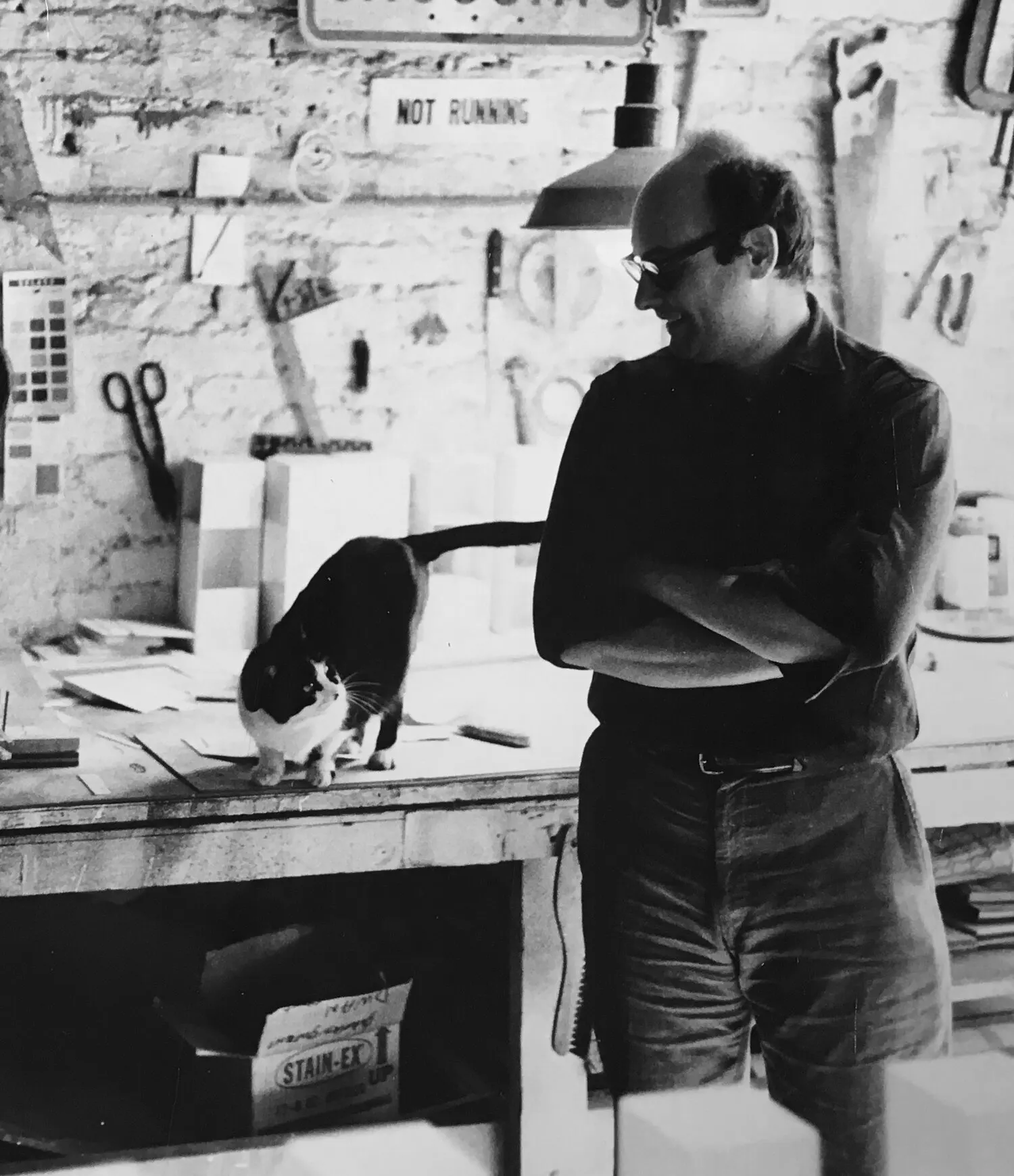
3. Dorothea Rockburne working in Italy, 1972. Photo courtesy of the artist and Bernheim London / Zürich.
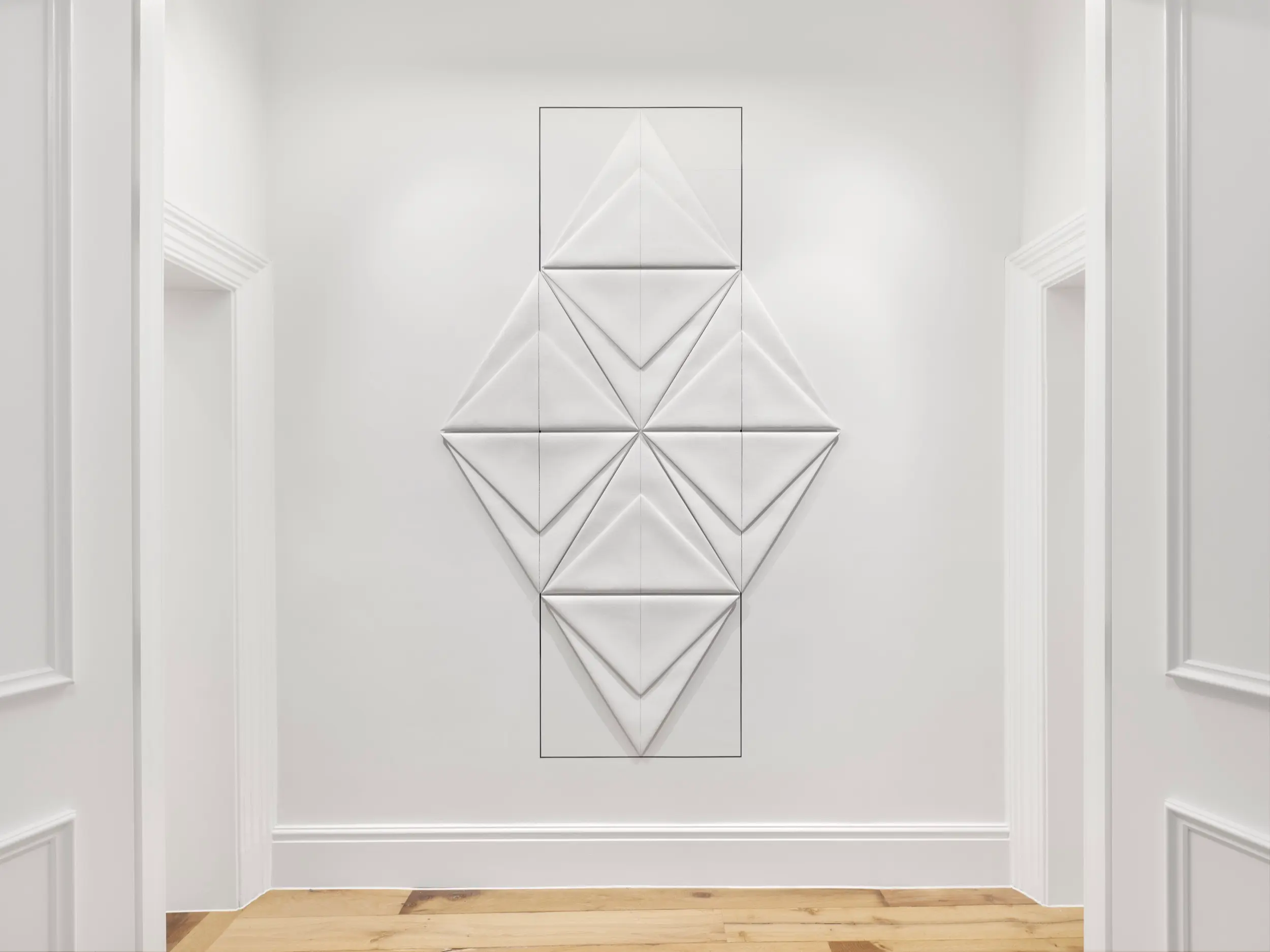
4. Installation view: Dorothea Rockburne, Set, 1970/2018. Artwork © Dorothea Rockburne / Artists Rights Society (ARS), New York. Photo © Bill Jacobson Studio, New York.
5. Dorothea Rockburne, Scalar, 1971. Chipboard, crude oil, paper, and nails, overall: 6 ft 8 in × 9 ft 6 1/2 in × 3 1/2 in (203.2 × 289.5 × 8.9 cm). Artwork © 2026 Dorothea Rockburne / Artists Rights Society (ARS), New York.
6. Installation view: Dorothea Rockburne, Dia:Beacon, Beacon, New York. Artwork © Dorothea Rockburne / Artists Rights Society (ARS), New York. Photo © Bill Jacobson Studio, New York.
7. Dorothea Rockburne, Two, 1970. Chipboard painted with graphite, linseed oil, and kraft paper, 29 5/8 × 49 in (124.5 × 75.2 cm). Courtesy Van Doren Waxter.
8. Installation view: Dorothea Rockburne: Drawing Which Makes Itself, September 21, 2013 – February 2, 2014. Photo © John Wronn.
9. Dorothea Rockburne, Intersection, 1971/2018. Artwork © Dorothea Rockburne / Artists Rights Society (ARS), New York. Photo © Bill Jacobson Studio, New York. Courtesy Dia Art Foundation.
10. Dorothea Rockburne, Golden Section Painting: Rectangle/Square, 1974. Gesso, glue, varnish, and coloured pencil on folded linen, 160 × 205.1 cm. Artwork © Dorothea Rockburne / Artists Rights Society (ARS), New York.
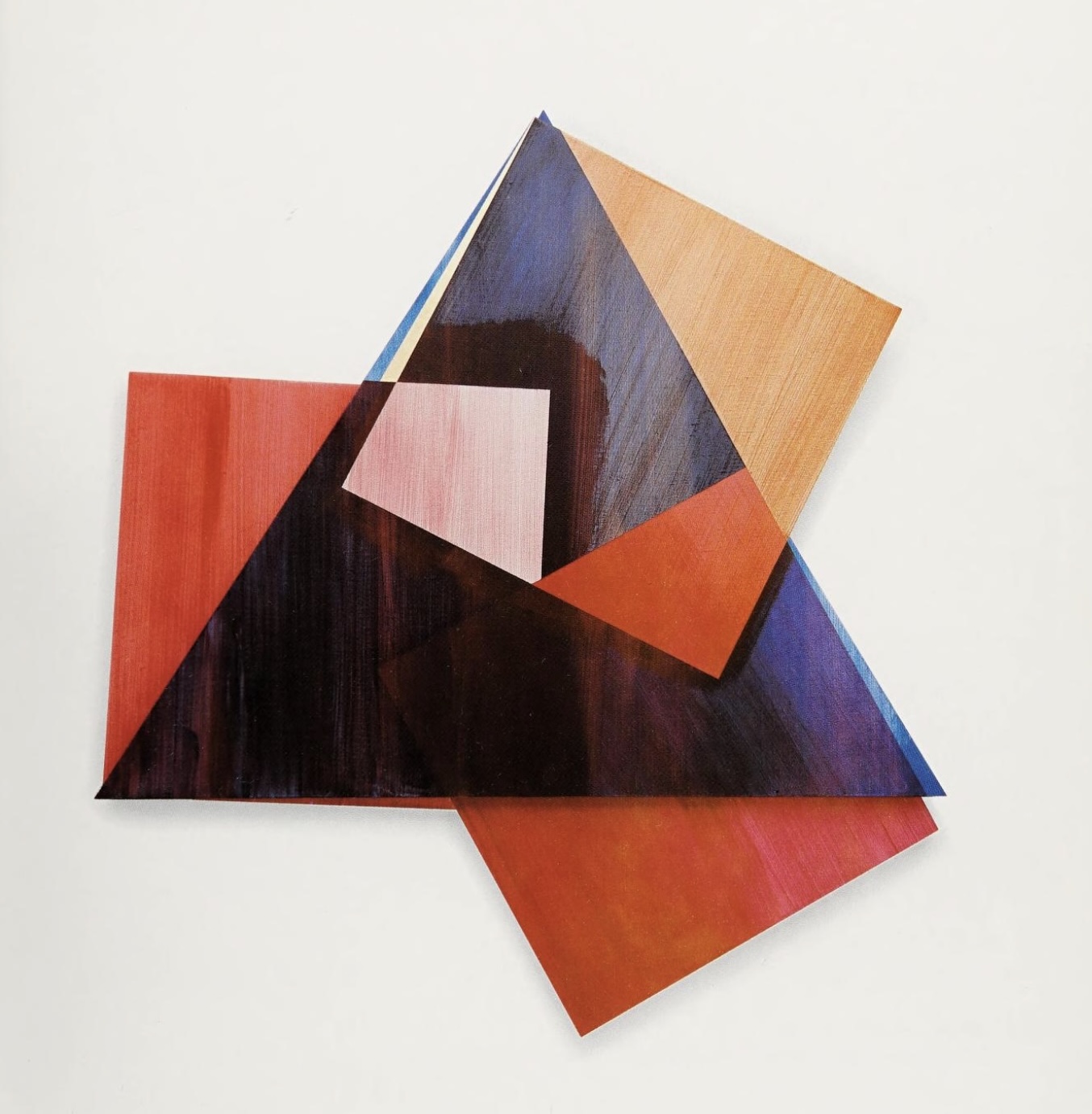
11. Dorothea Rockburne, Egyptian Painting, Scribe, 1979. Gesso, oil paint on linen, glue, and pencil, 93 × 56 1/2 in. Courtesy the artist and Bernheim London / Zürich.
12. Installation view: Radical Artists of the 1960s/1970s: Between Geometry and Gesture, David Nolan Gallery, New York, September 5 – October 26, 2024. Courtesy David Nolan Gallery.
13. Dorothea Rockburne, Locus, 1972. Portfolio with six double-sided aquatint etchings with folding and embossing on Strathmore paper. Printed by Crown Point Press, San Francisco; published by Parasol Press, Portland.
14. Installation view: The Light Shines in the Darkness and the Darkness Has Not Understood It: Dorothea Rockburne. Photo © Eva Herzog. Courtesy of the artist and Bernheim London / Zürich. Artwork © 2024 Dorothea Rockburne / Artists Rights Society (ARS), New York.
15. Dorothea Rockburne, Extasie, 1983. Oil paint on linen, 81 1/4 × 76 × 4 in (206.4 × 193 × 10.2 cm). Artwork © Dorothea Rockburne / Artists Rights Society (ARS), New York.
Cover: Installation view: Dorothea Rockburne, Dia:Beacon, Beacon, New York. Artwork © Dorothea Rockburne / Artists Rights Society (ARS), New York. Photo © Bill Jacobson Studio, New York.
Portrait: Dorothea Rockburne. Photo © Nathan Bajar / The New York Times.
All images © their respective rights holders.
Image rights & attribution →