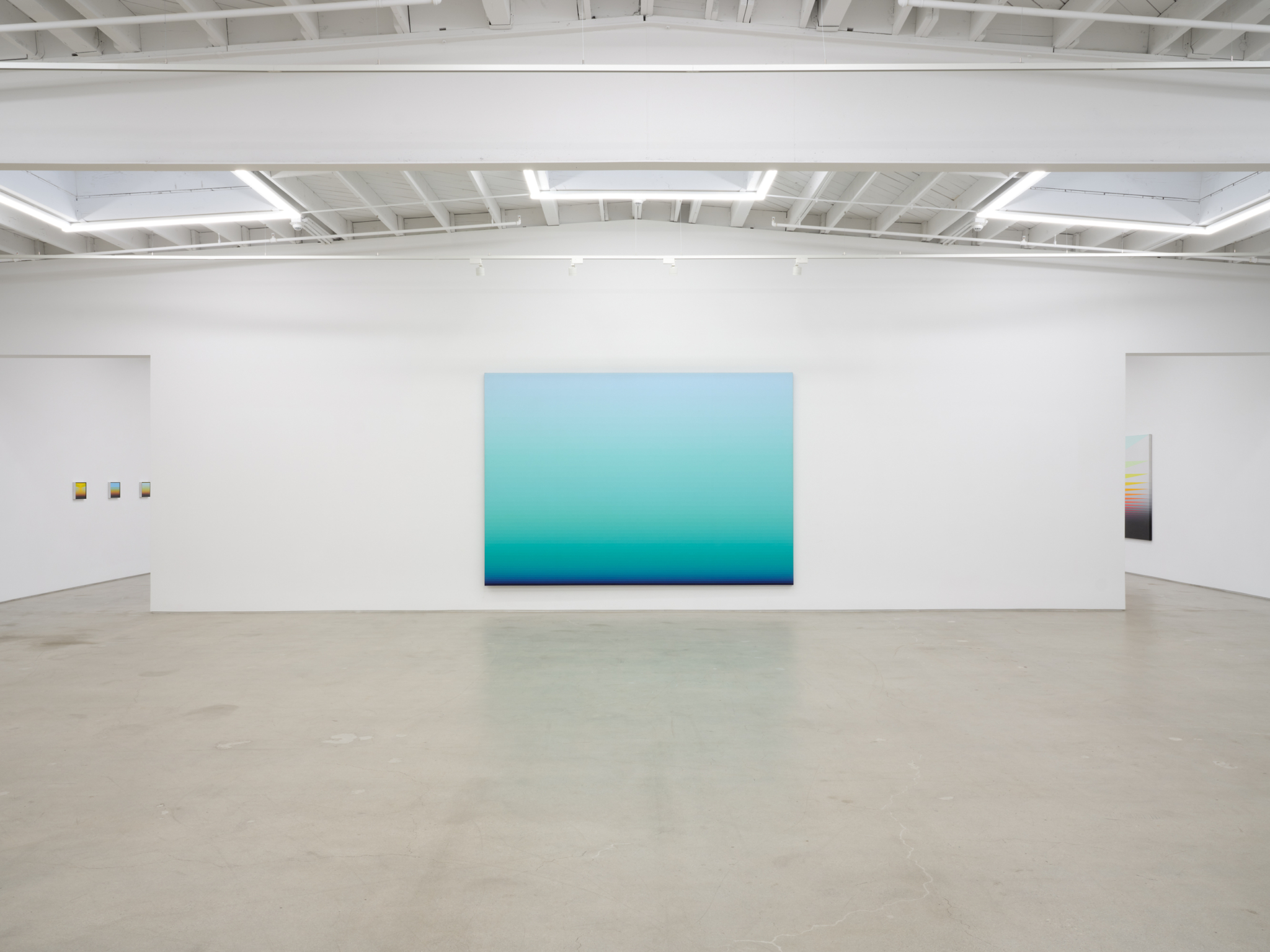
Norman Zammitt’s work defines painting as a perceptual system in which color and transparency generate spatial depth through repetition, interval, and optical interaction rather than form or narrative.

Norman Zammitt’s work defines painting as a perceptual system in which color and transparency generate spatial depth through repetition, interval, and optical interaction rather than form or narrative.
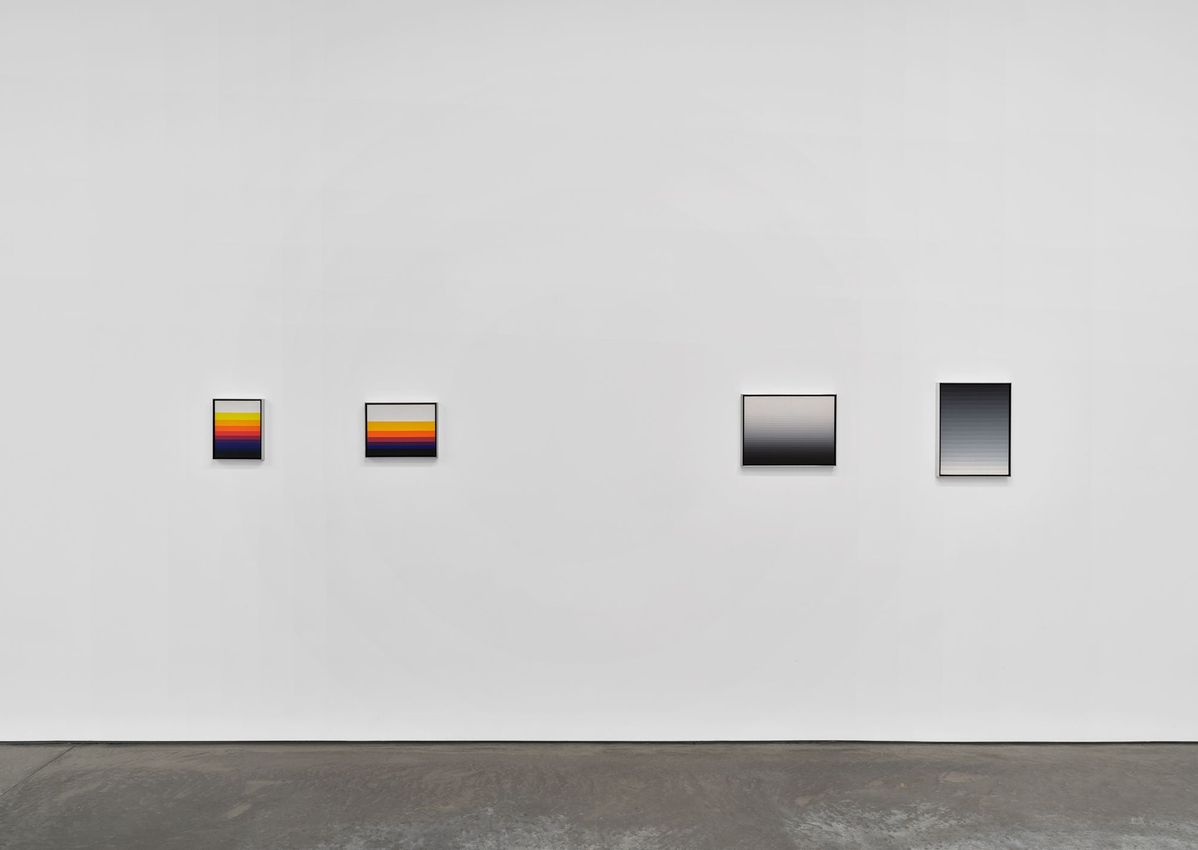
In Norman Zammitt’s work, color functions structurally rather than expressively. Layers of translucent pigment accumulate as intervals, producing depth through optical interaction rather than illusionistic space.
Spatial relationships are not drawn or composed; they emerge through repetition, overlap, and restraint. What appears atmospheric is in fact systematic. Structure is sustained through calibrated color relations rather than form.

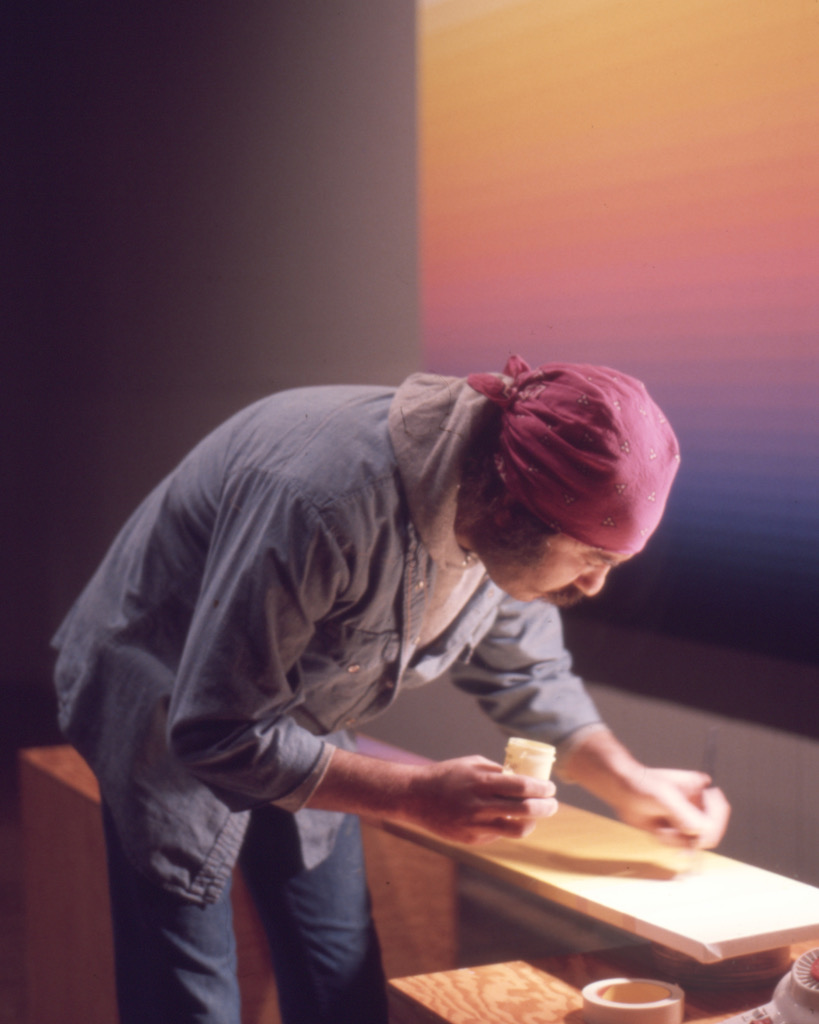




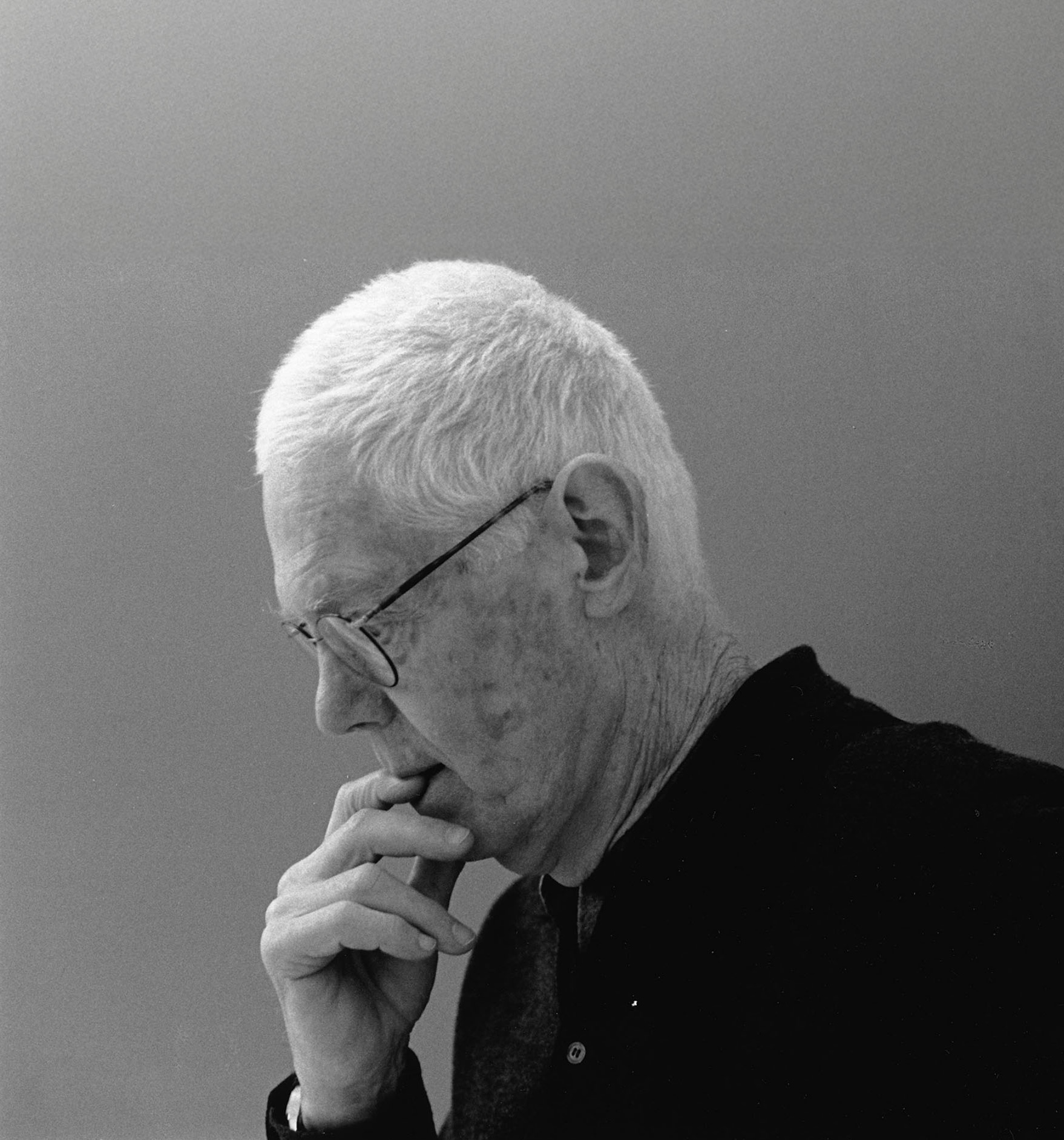
1. Norman Zammitt in his Los Angeles studio, 1973. Courtesy Karma.
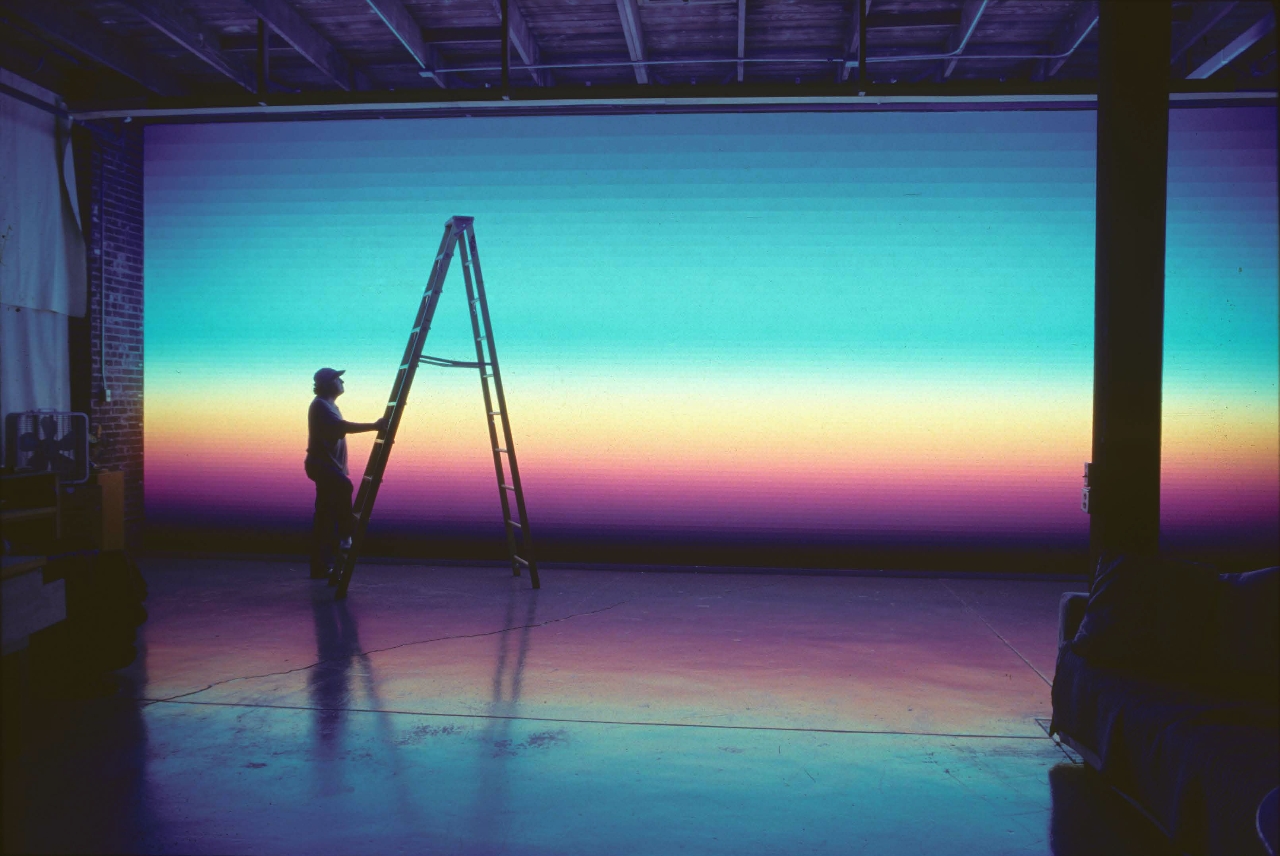
2. Archive photograph of Norman Zammitt in the studio. Courtesy Karma.
3. Norman Zammitt, Elysium, 2000. From the artist’s archives. Photograph by Victoria Mihich.
4. Archive photograph of Norman Zammitt in the studio. Courtesy Karma.
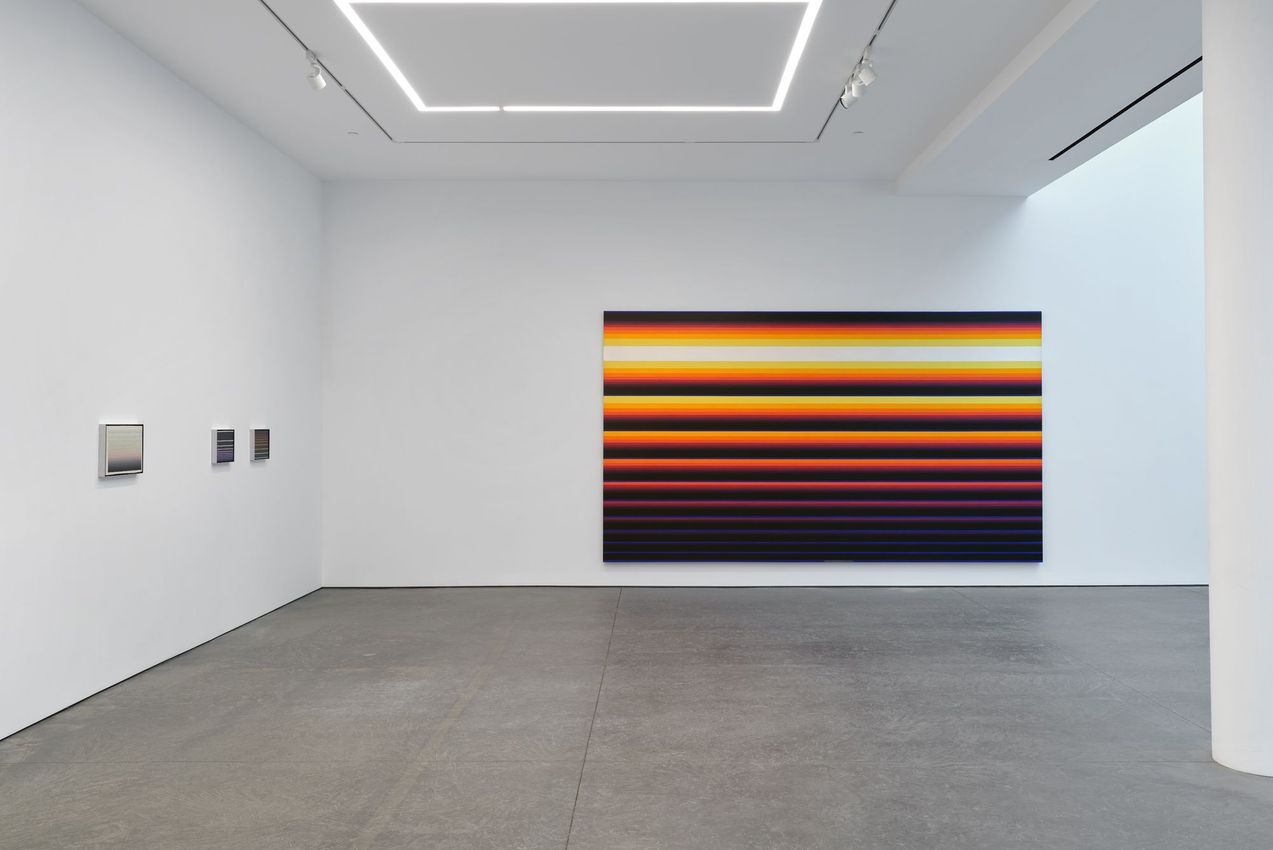
5. Installation view: Norman Zammitt, Gradations, Palm Springs Art Museum, 2024.
6. Installation view: Norman Zammitt, A Degree of Light, Karma.
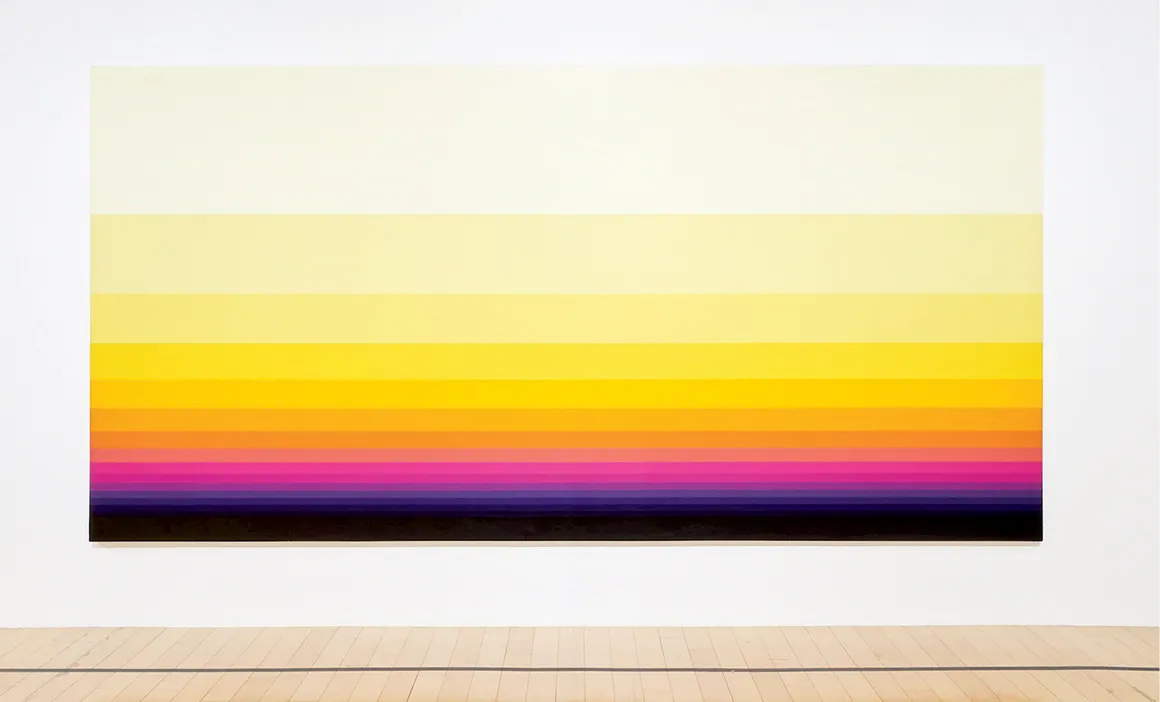
7. Norman Zammitt, North Wall, 1976. Acrylic on canvas, 96 1/4 × 168 1/8 inches. © Estate of Norman Zammitt. Courtesy Karma. Photograph by Heather Rasmussen.
8. Installation view: Norman Zammitt, Gradations, Palm Springs Art Museum, 2024.
9. Installation view: Norman Zammitt, A Degree of Light, Karma.
10. Norman Zammitt, One, 1973. Acrylic on canvas. Installation view. Photograph by Mario de Lopez.
11. Installation view: Norman Zammitt, A Degree of Light, Karma.
Portrait: Norman Zammitt. Courtesy Karma.
Cover: Installation view: Norman Zammitt, Gradations, Palm Springs Art Museum, 2024.
All images © their respective rights holders.
Image rights & attribution →