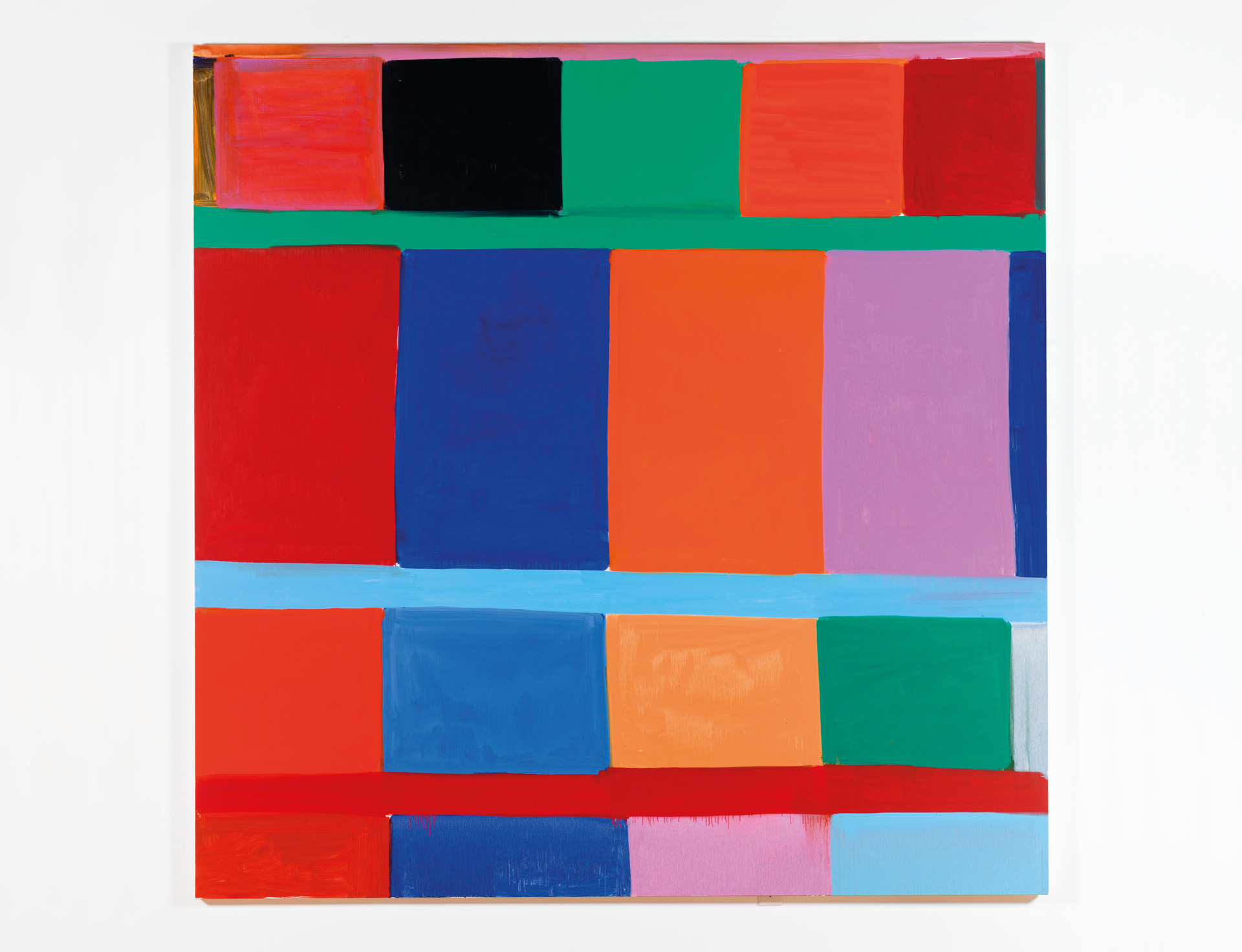
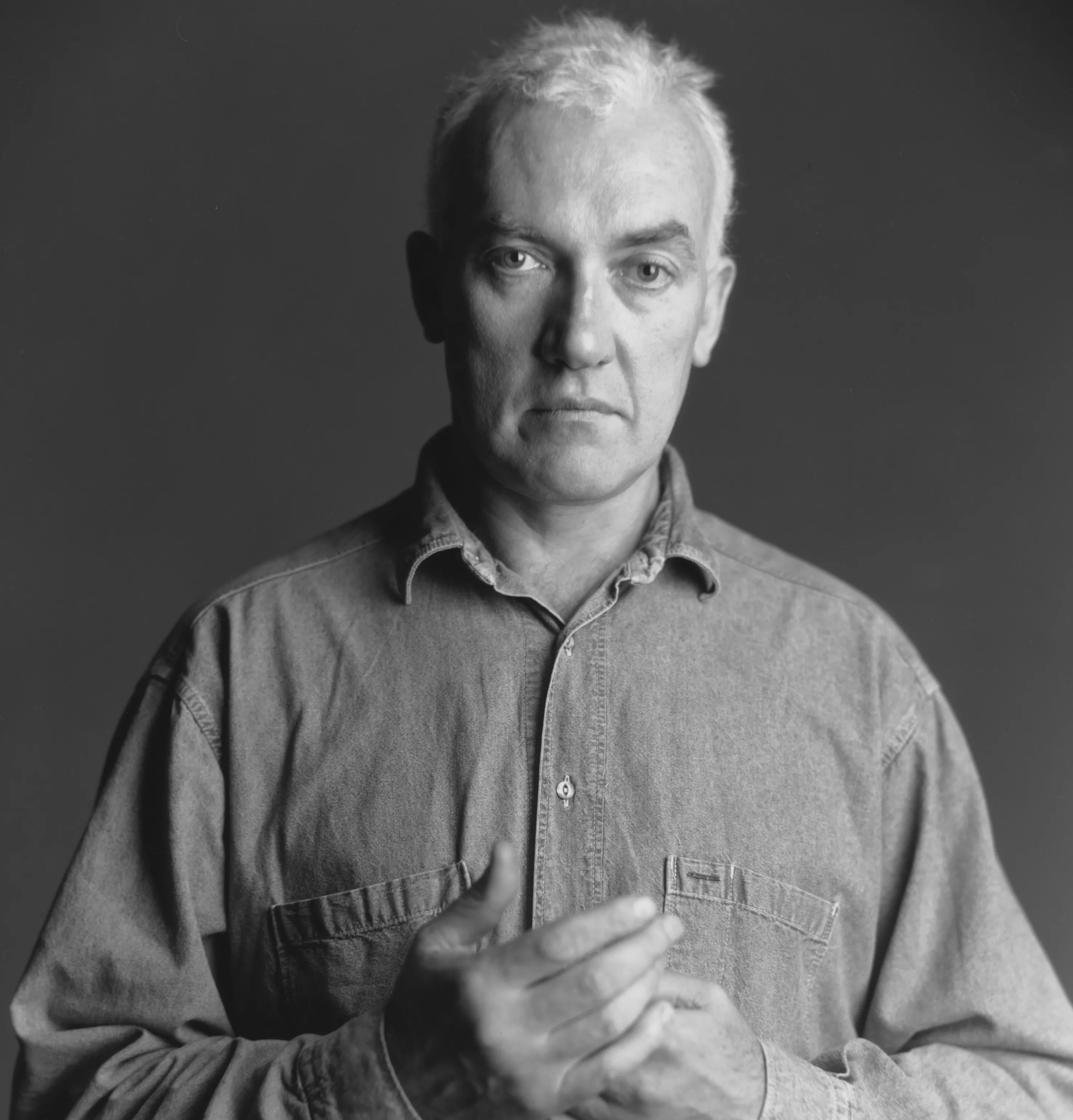
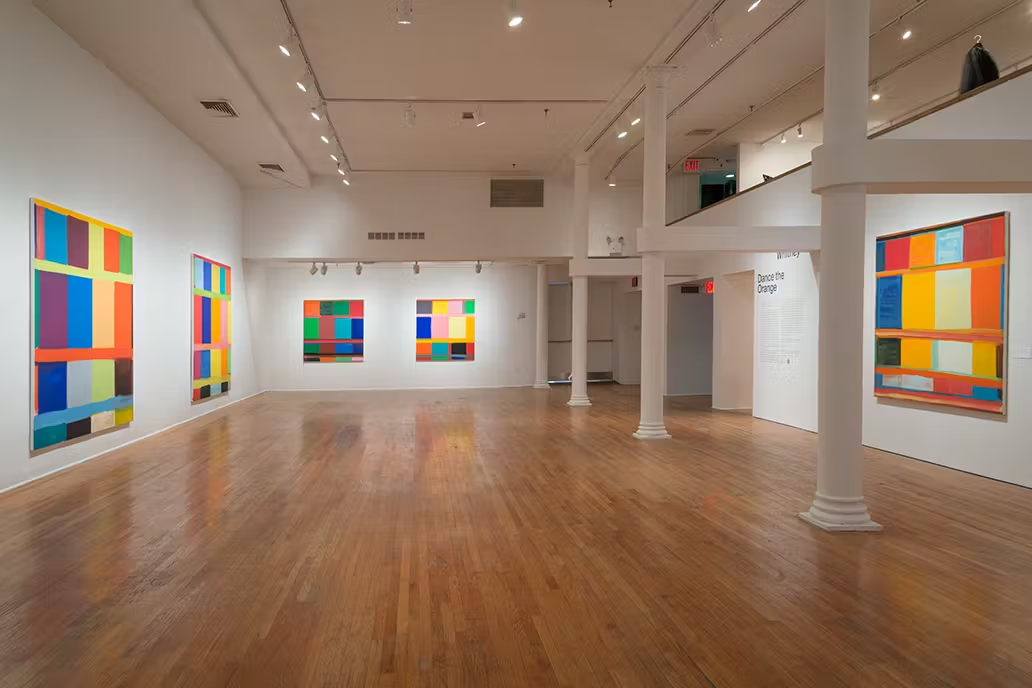
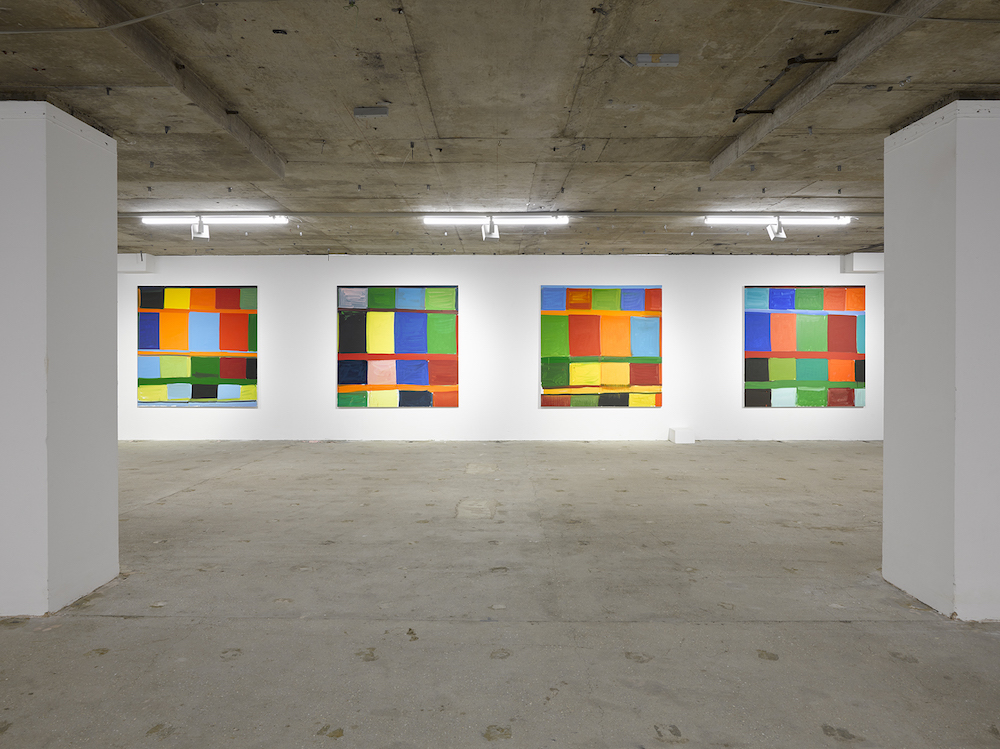
Whitney built a world where color becomes architecture — blocks arranged in measured grids that pulse with improvisational order.
His paintings clarify freedom through disciplined repetition.

Whitney built a world where color becomes architecture — blocks arranged in measured grids that pulse with improvisational order.
His paintings clarify freedom through disciplined repetition.
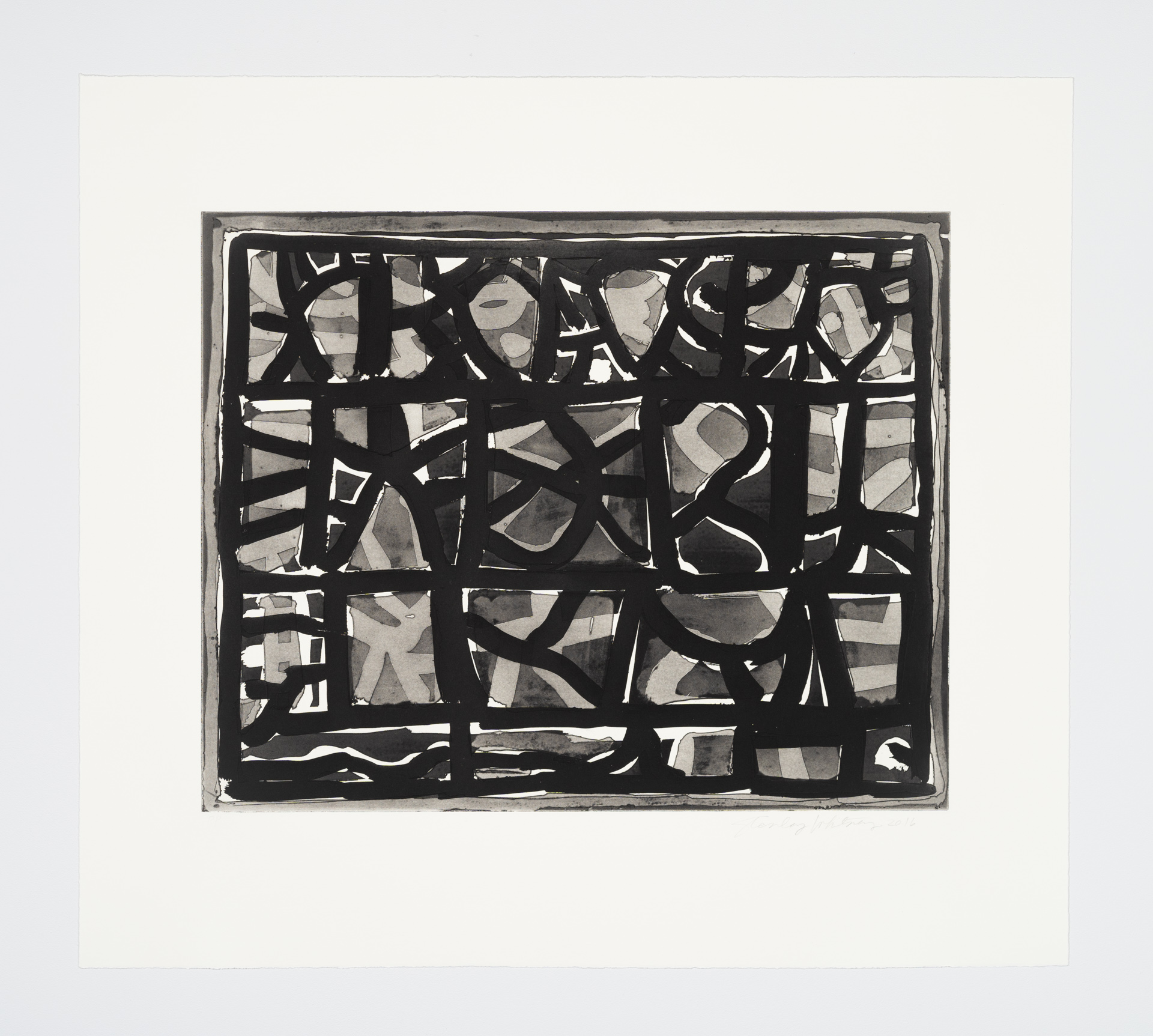
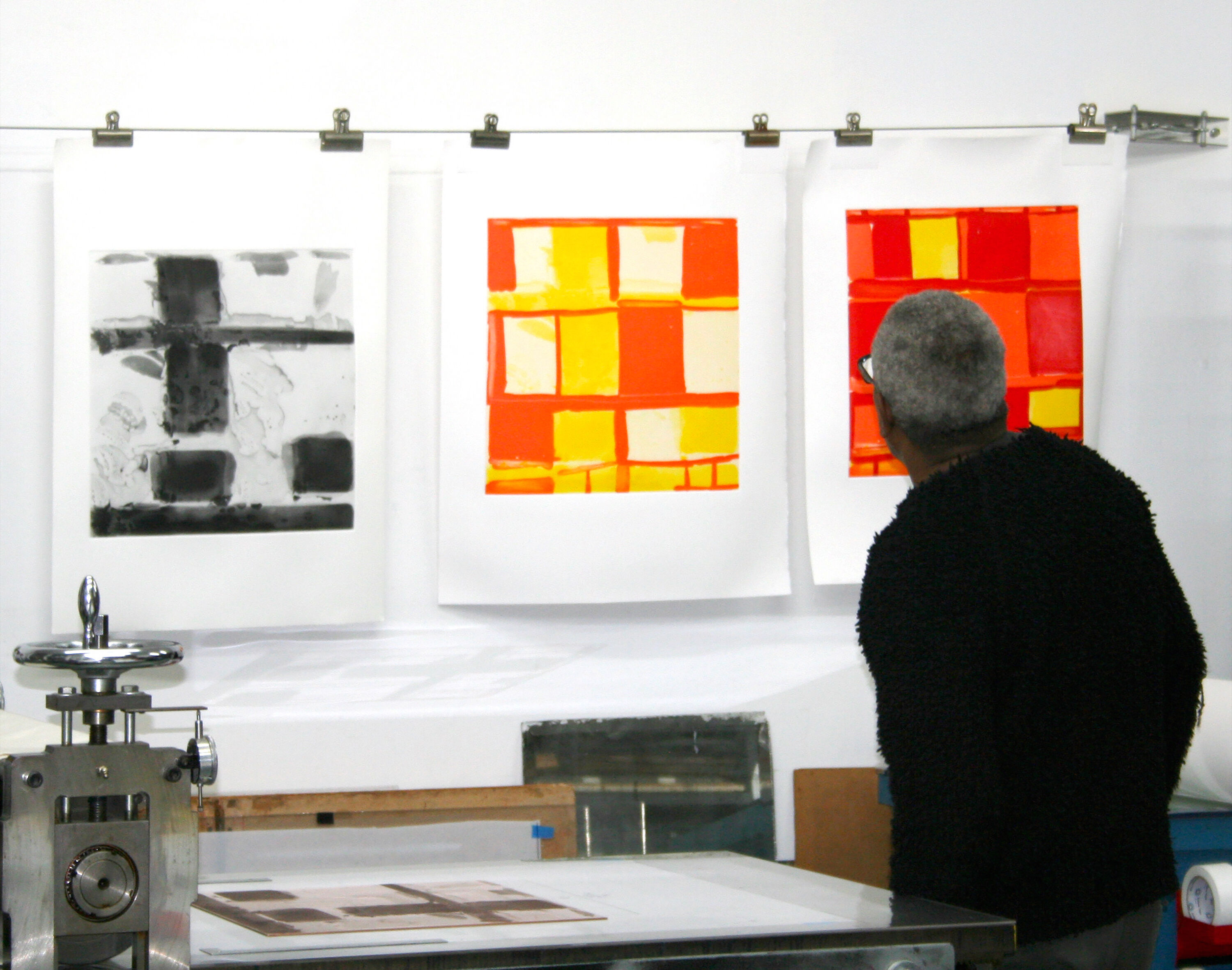
Stacking is customarily regarded as a method to organize rhythm; in Stanley Whitney’s work, it functions structurally to align color and space through vertical accumulation. Color blocks pulse within grids, edges vibrate, and sequences register across the surface.
Form remains active but controlled, and repetition establishes balance without hierarchy.
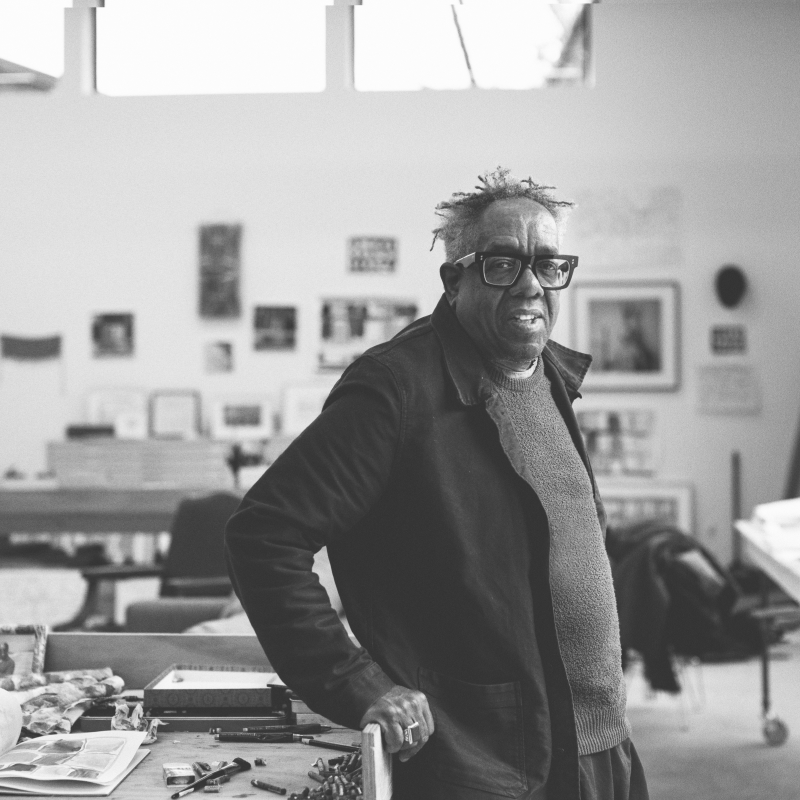
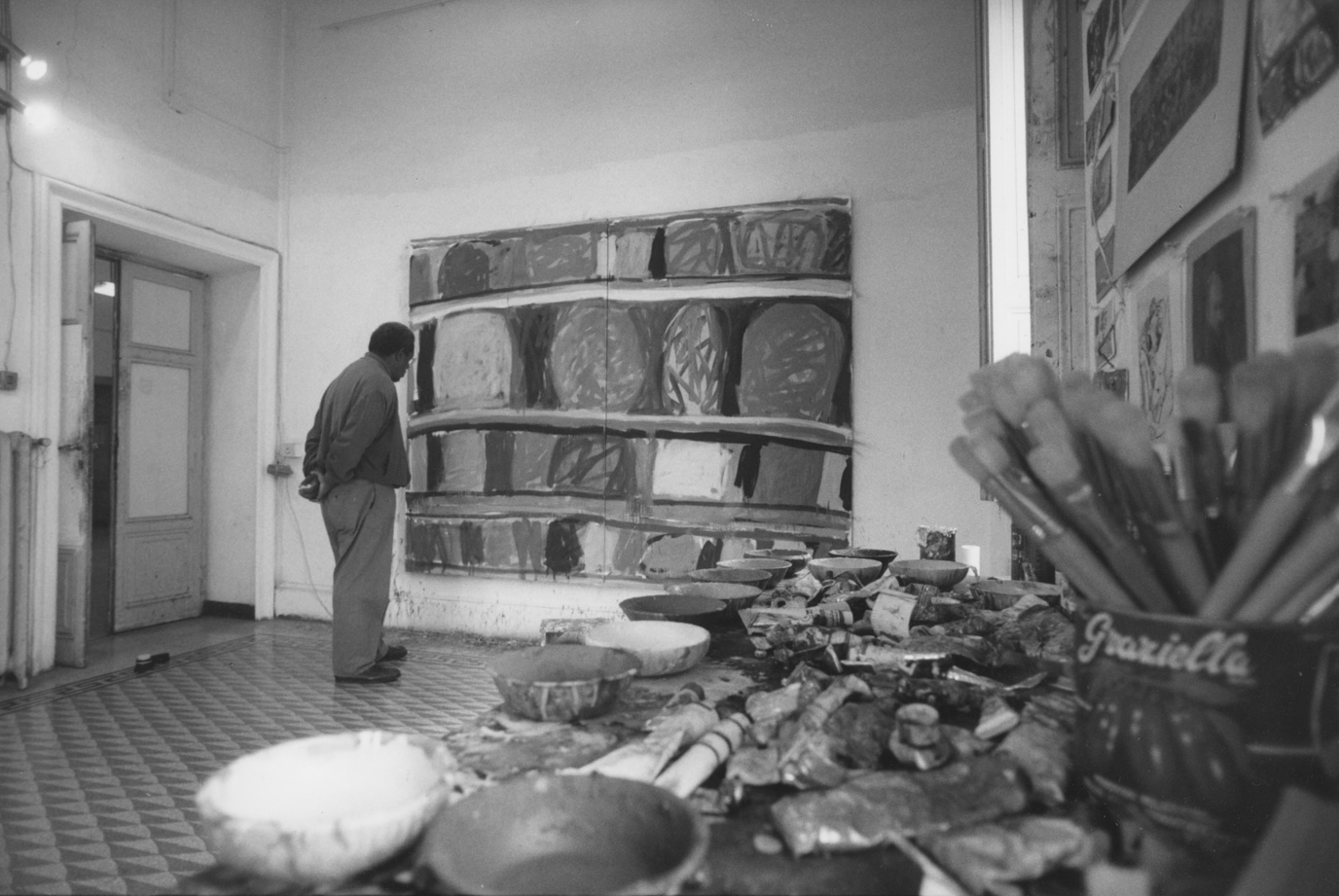
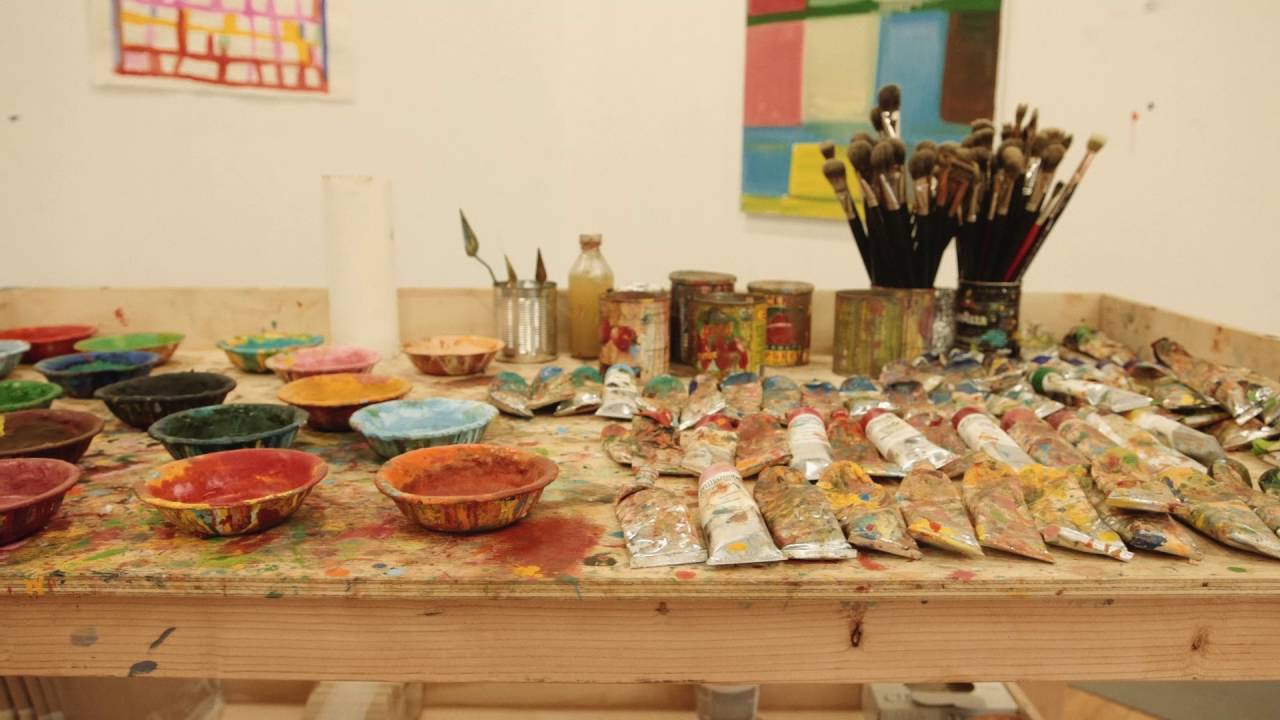


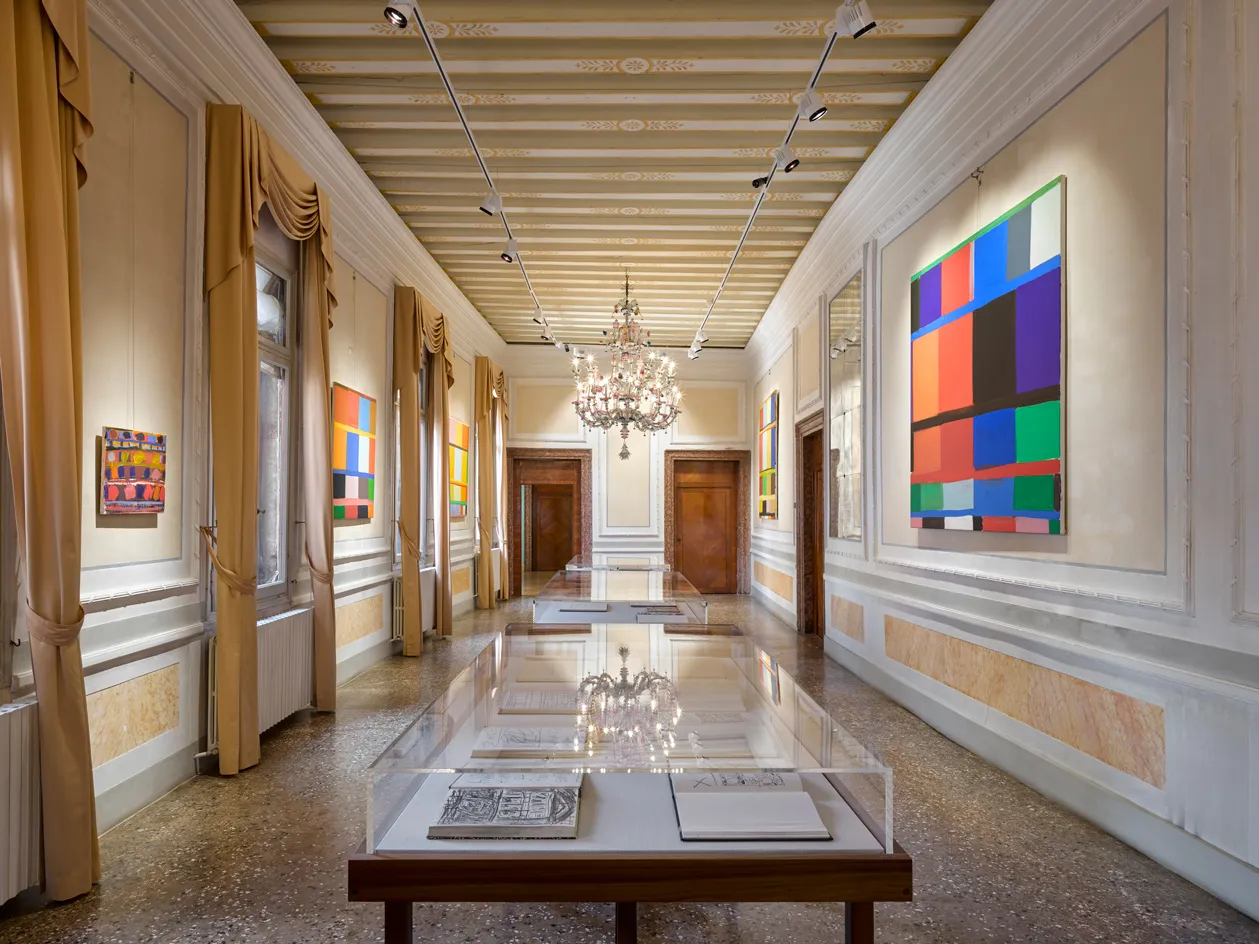
Courtesy Buffalo AKG Art Museum. Photo: Brenda Bieger.
All images © their respective rights holders.
Image rights & attribution →