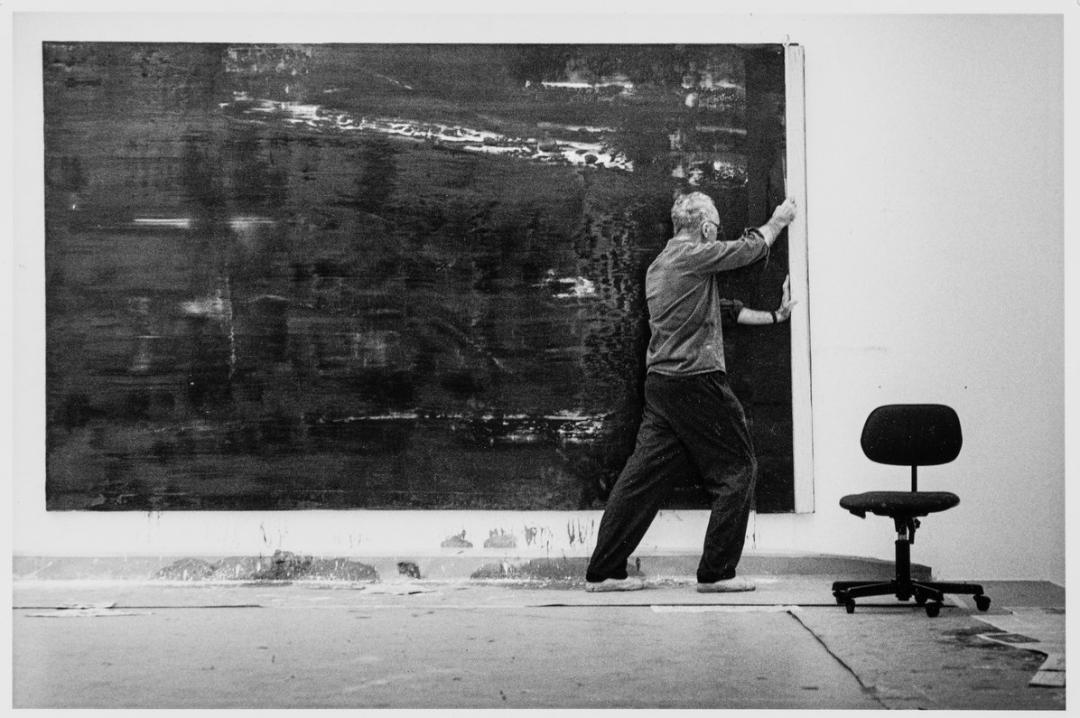
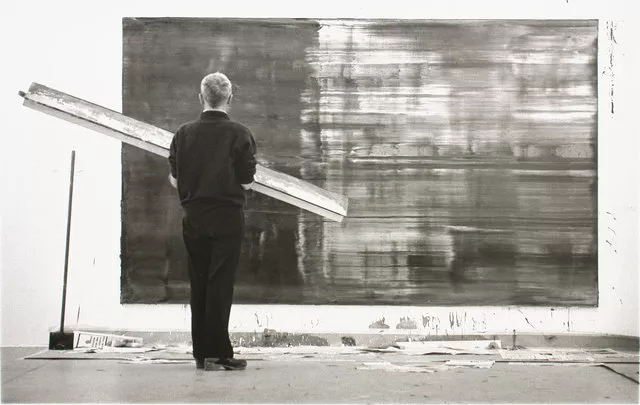
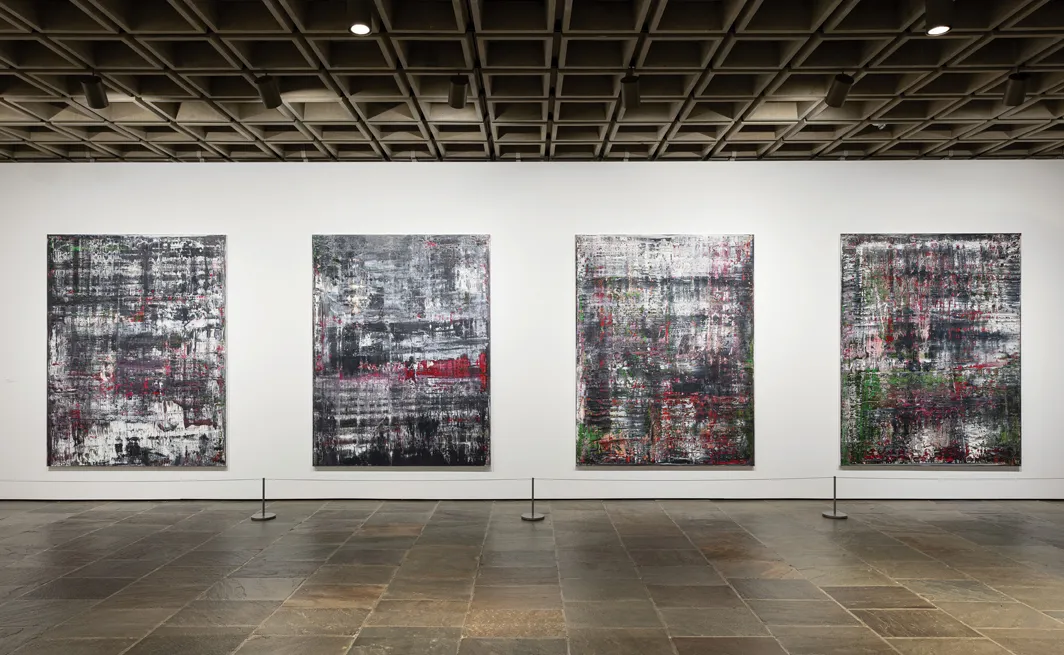
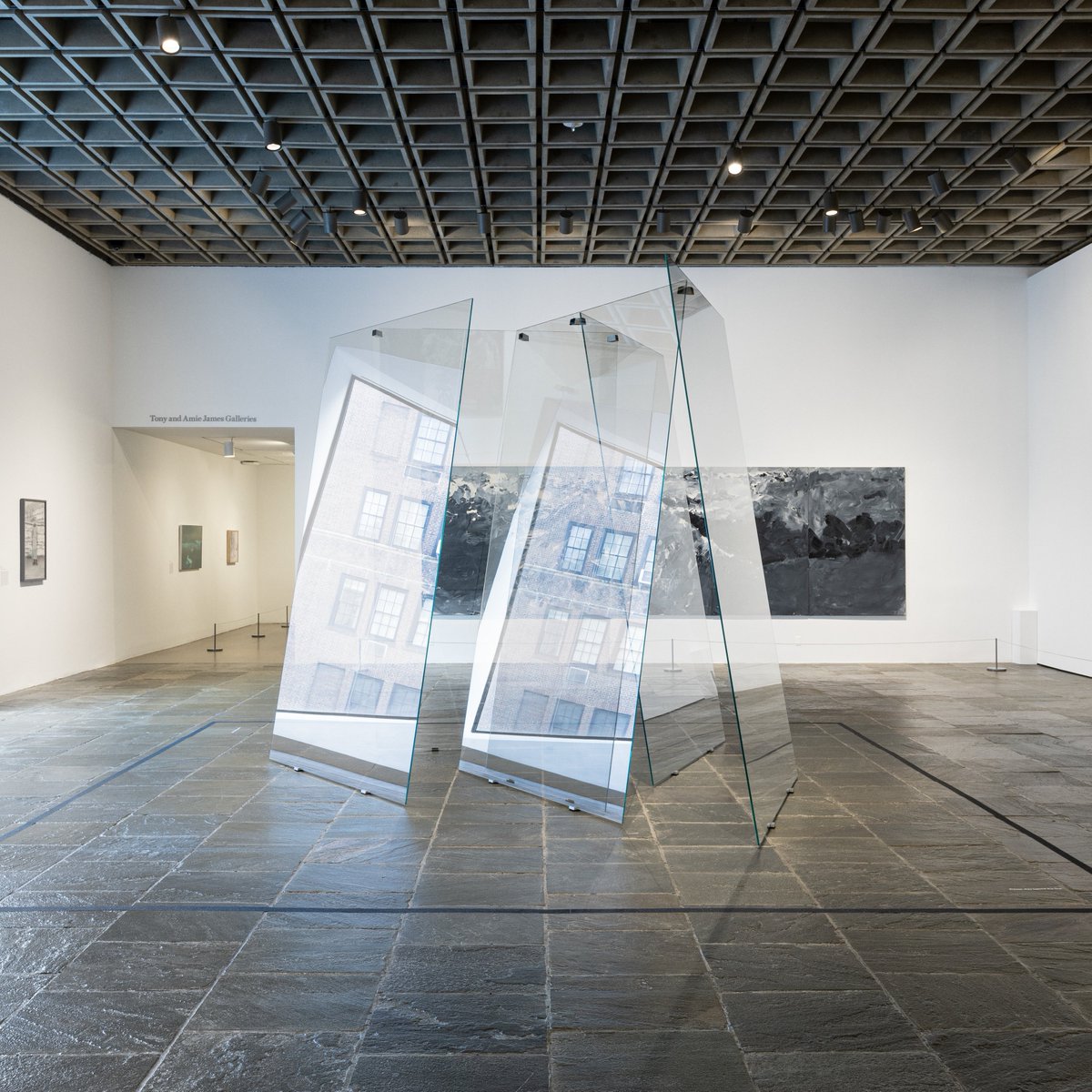
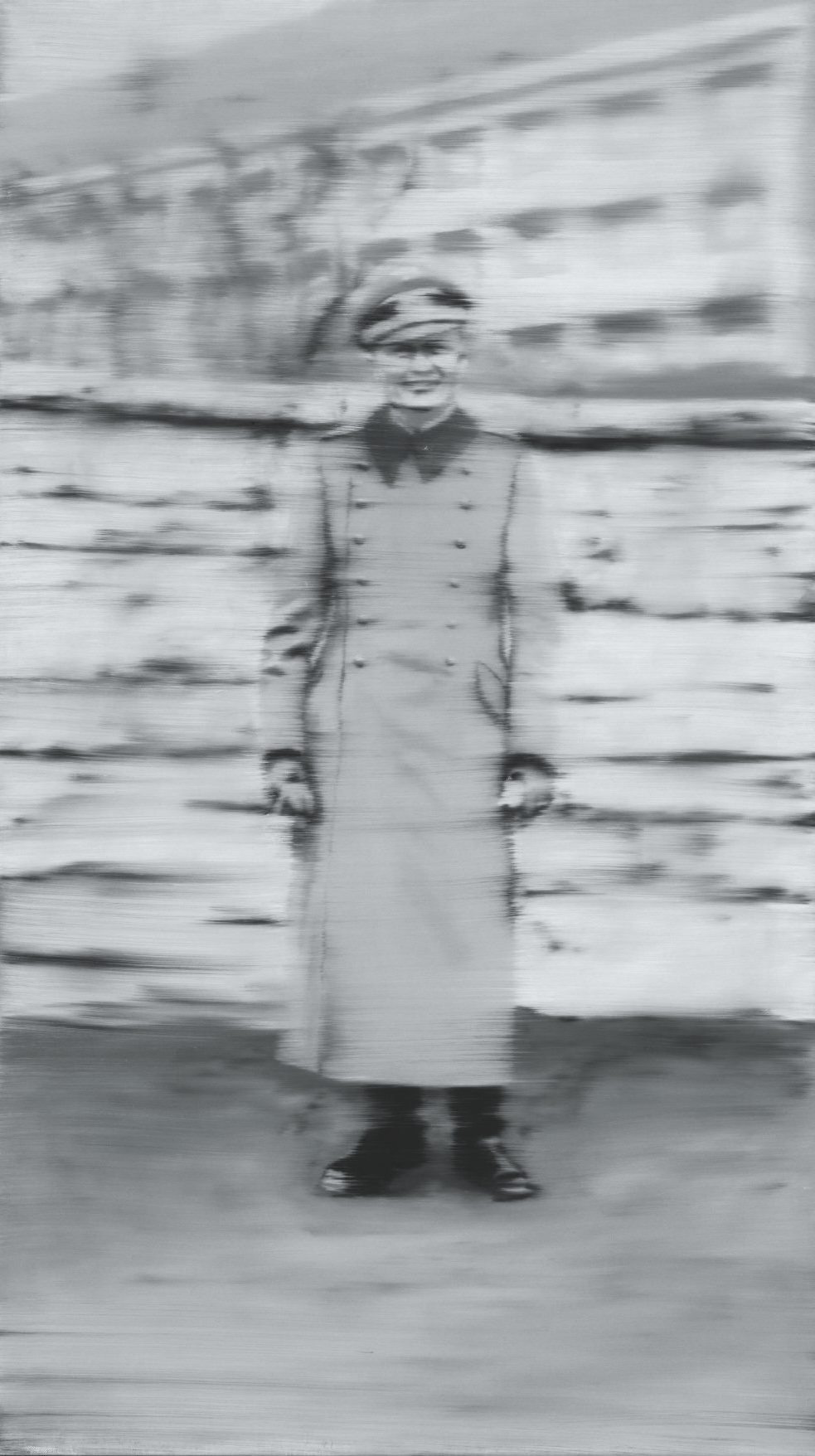
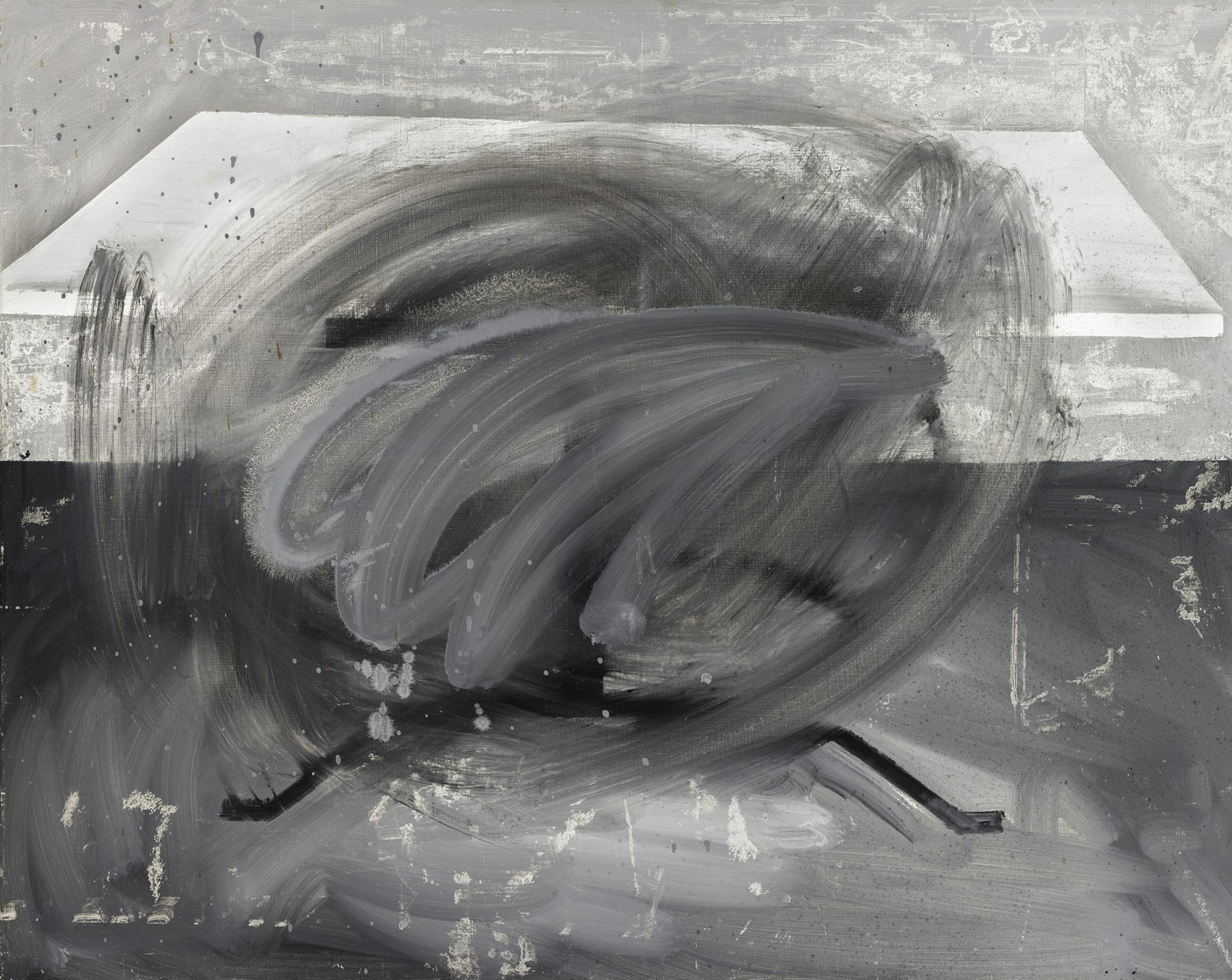
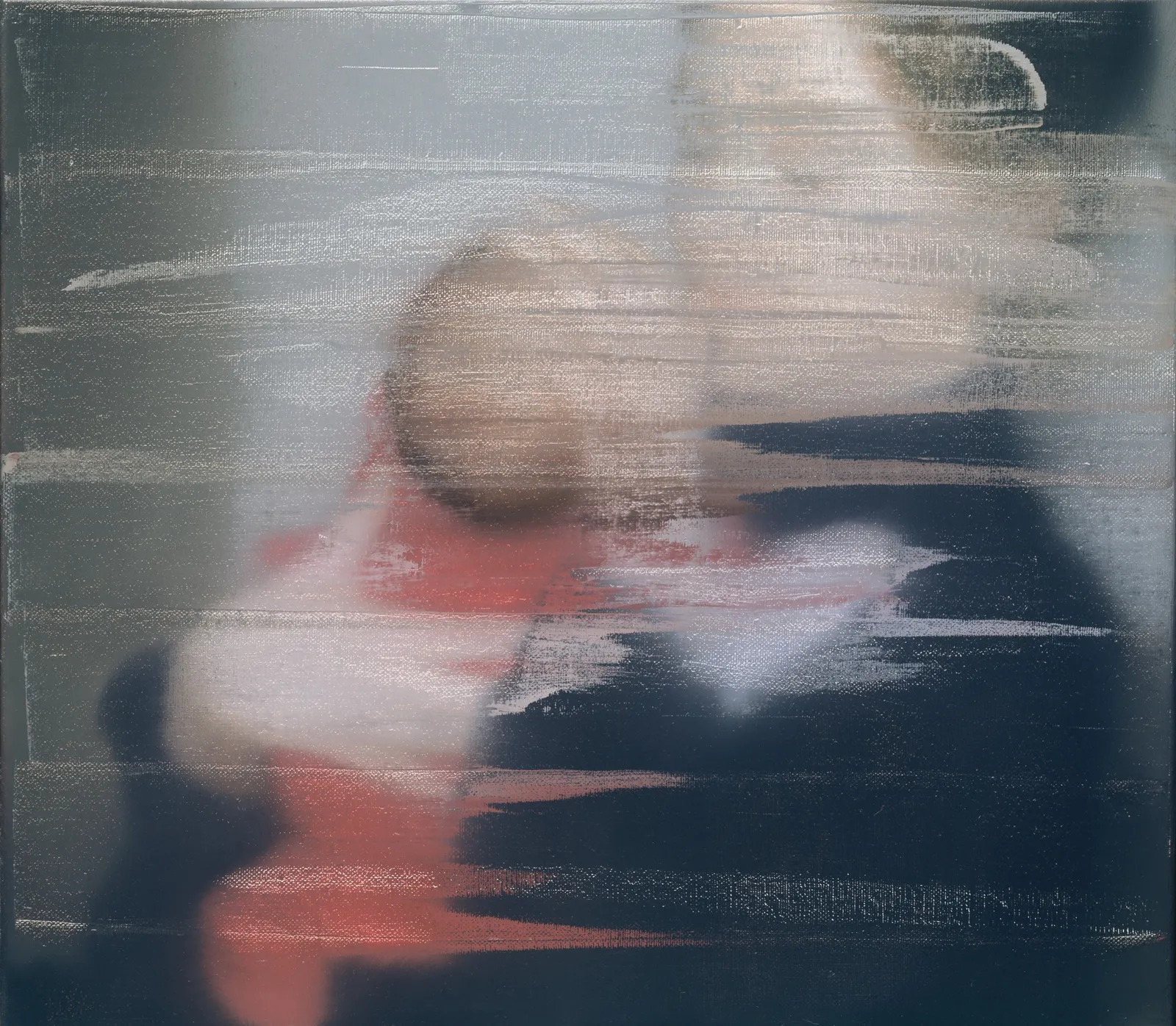
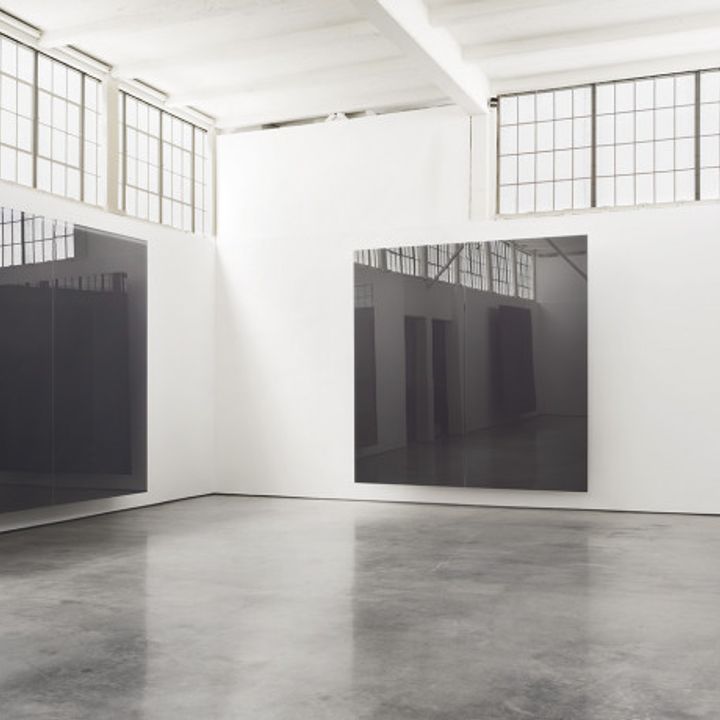
Richter built a world where painting oscillates between clarity and blur — abstraction and representation held in unstable balance.
His surfaces turn perception into shifting structure.

Richter built a world where painting oscillates between clarity and blur — abstraction and representation held in unstable balance.
His surfaces turn perception into shifting structure.
Blur is typically treated as expressive ambiguity rather than structural condition. In Gerhard Richter’s work, pigment is dragged across the canvas in layered motion, establishing relational intervals and controlled transitions. Overlapping layers create measurable variations in tone and opacity that guide perception.
Edges remain in flux, and continuous sweeping produces structure without discrete forms. The interaction of smoothed, scraped, and shifted areas determines how attention moves across the surface.