


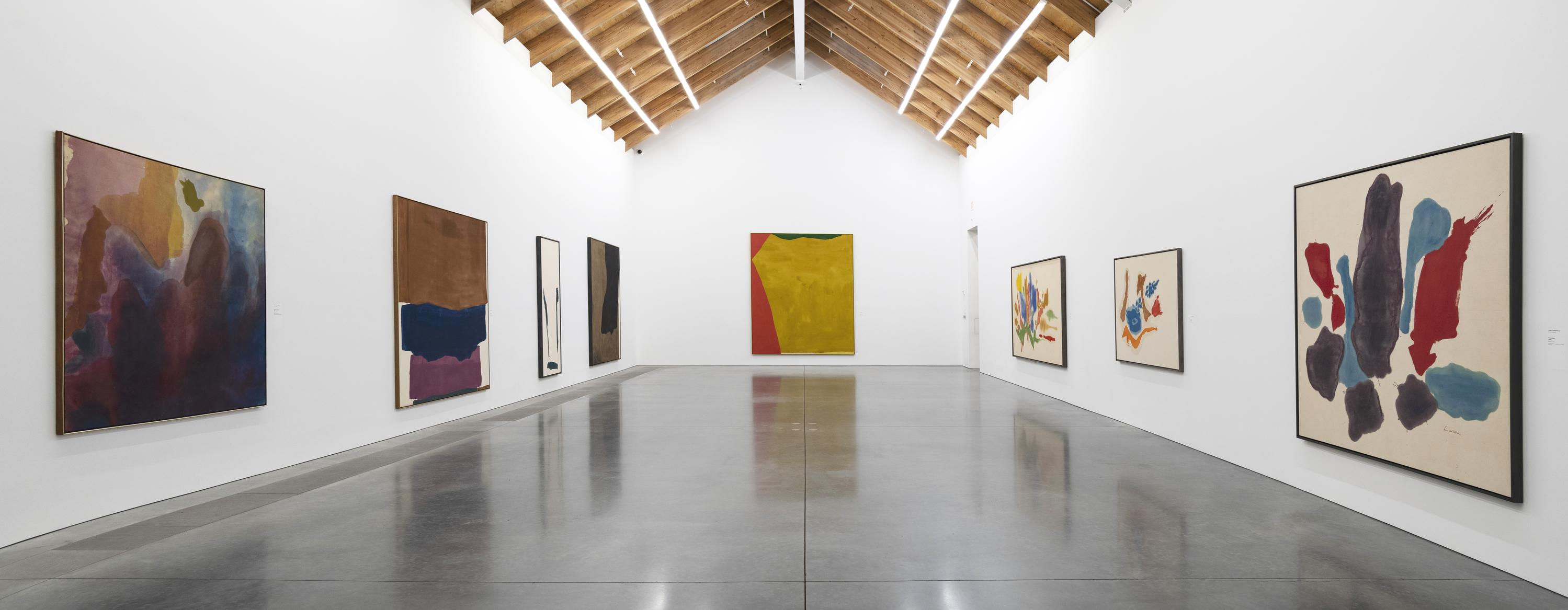
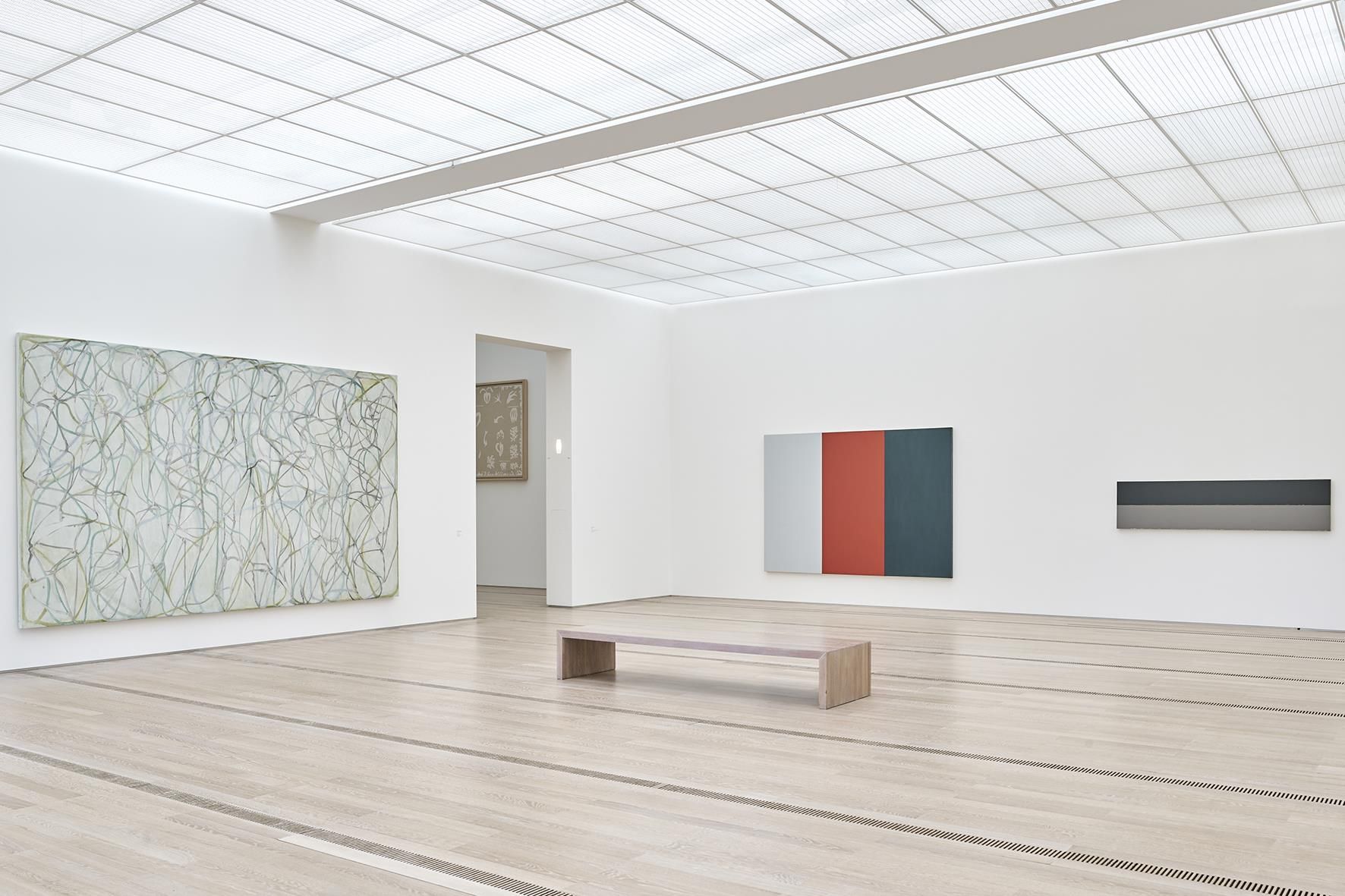


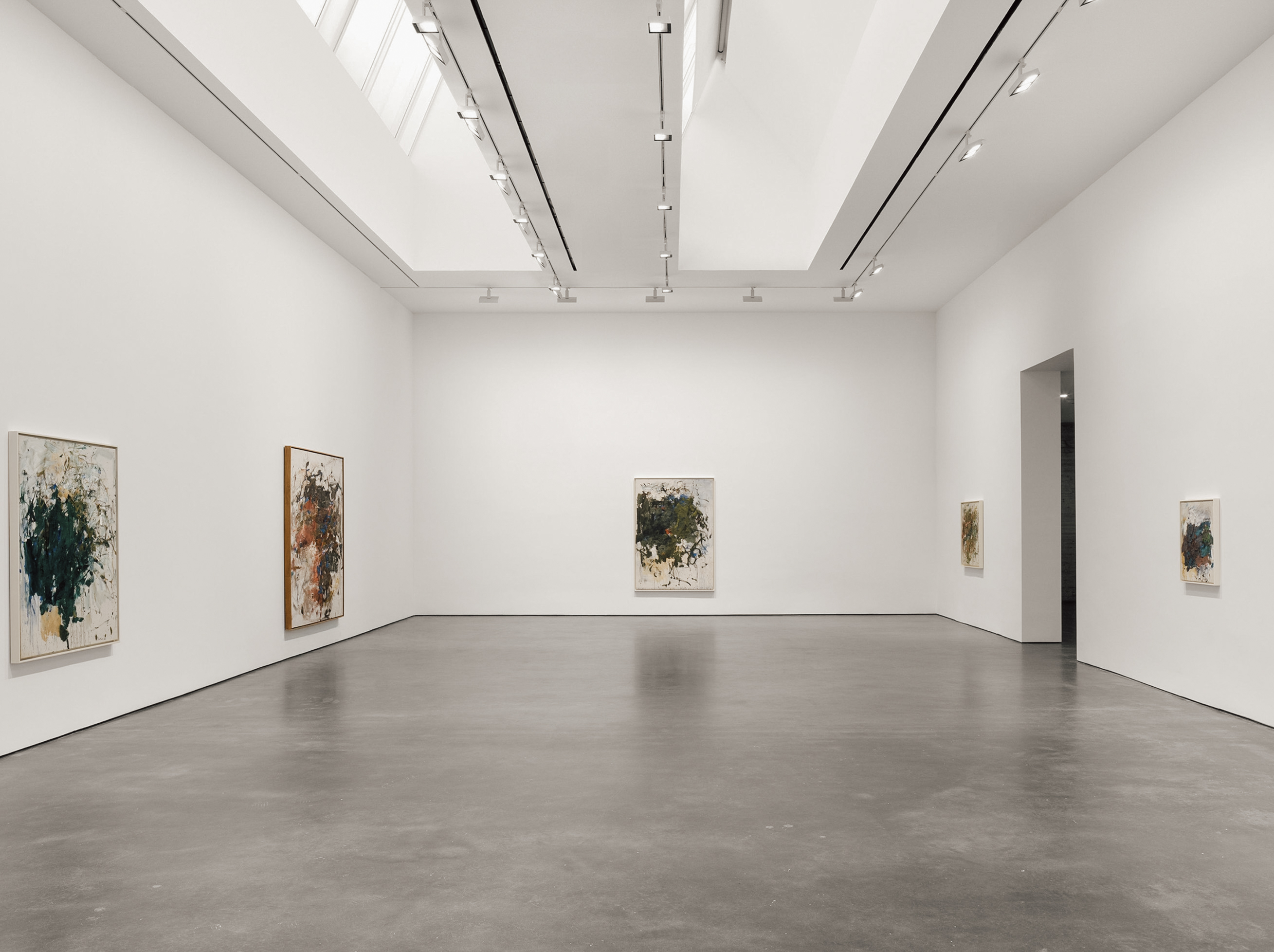
Gesture is often understood as a vehicle for expression — the release of feeling through movement. In Joan Mitchell’s work, gesture does not function as expression. It operates as a regulating force.
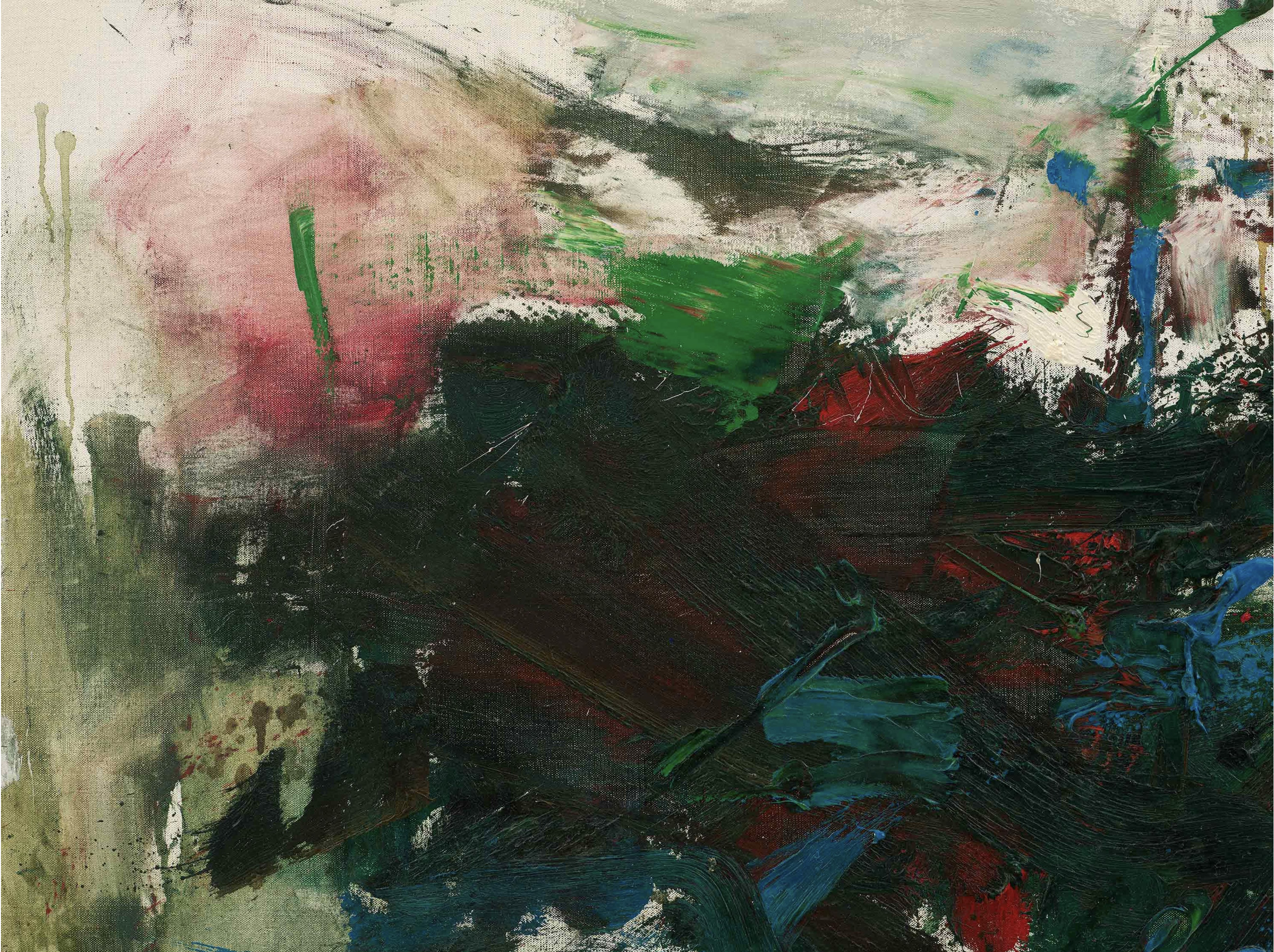
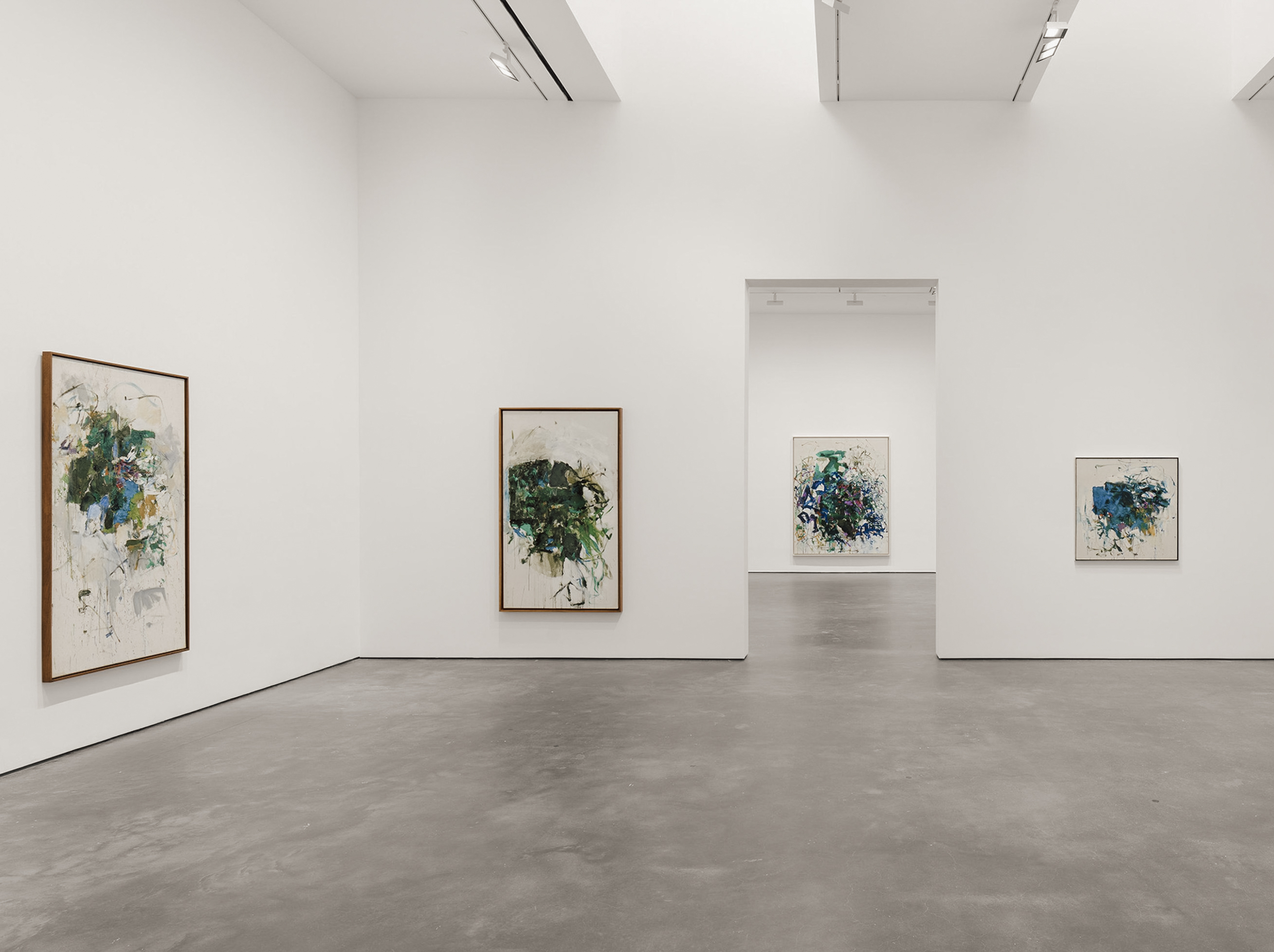
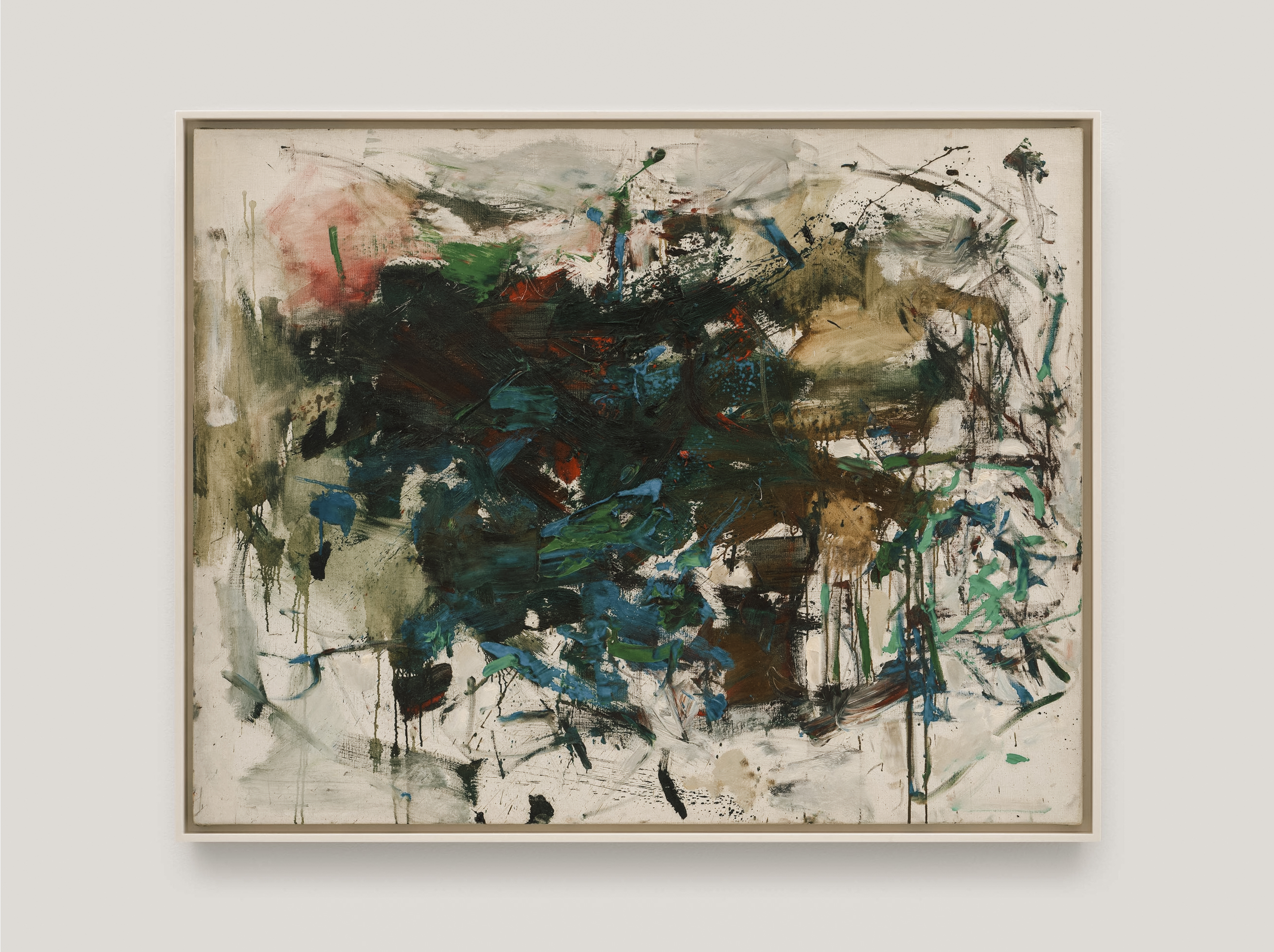
The paintings establish this immediately. Marks do not accumulate toward climax or resolution. Movement is permitted, but contained. Strokes recur, turn back on themselves, and disperse across the surface rather than concentrating at a point. Intensity is sustained, not discharged.
Repetition is the primary mechanism of this regulation. Similar gestures return across a canvas and across years, not to refine a form but to hold it in play. Variation occurs within limits. Color advances and recedes, but never resolves into dominance. Progress is measured through pacing and interval rather than escalation.
Because the system is active, individual marks do not seek autonomy. No single stroke carries expressive authority. Each gesture functions in relation to others, maintaining pressure without tipping into statement. The surface remains open, yet governed.
What the work sustains is not expression, but attention. By withholding resolution and refusing culmination, Mitchell’s paintings maintain intensity as a condition — continuous, regulated, and unresolved.
Gesture loses its expressive force when it seeks release or resolution. In Mitchell’s work, gesture remains active because it never culminates in a statement or peak.
Movement is permitted, but regulated. Repetition holds pressure in circulation rather than allowing it to discharge. Color intensifies without asserting dominance. Each mark functions relationally, preventing any single gesture from carrying expressive authority.
What persists is not emotion made visible, but attention sustained. Gesture continues to operate by withholding conclusion, keeping intensity distributed rather than resolved.
All images © their respective rights holders.
Image rights & attribution →