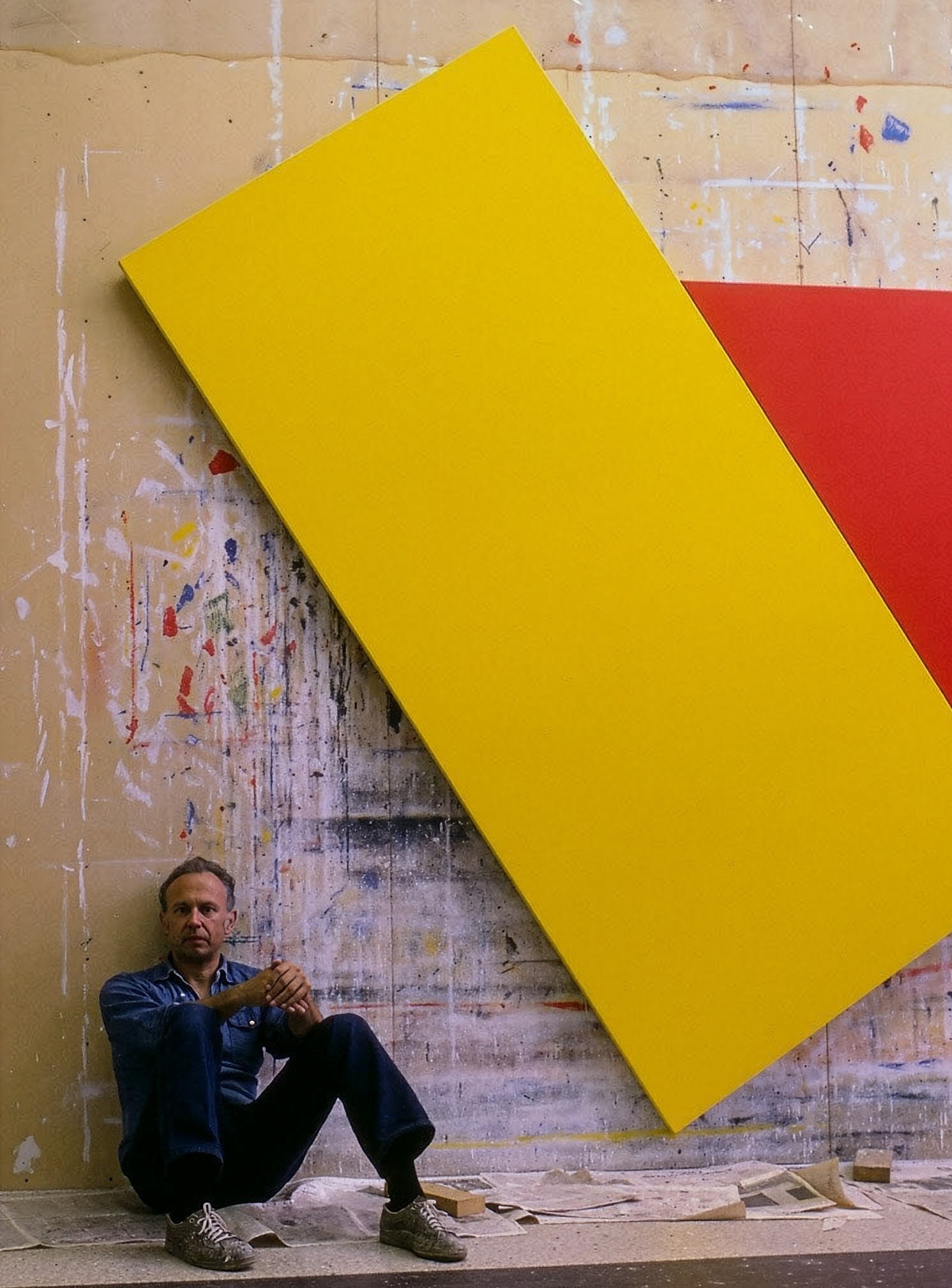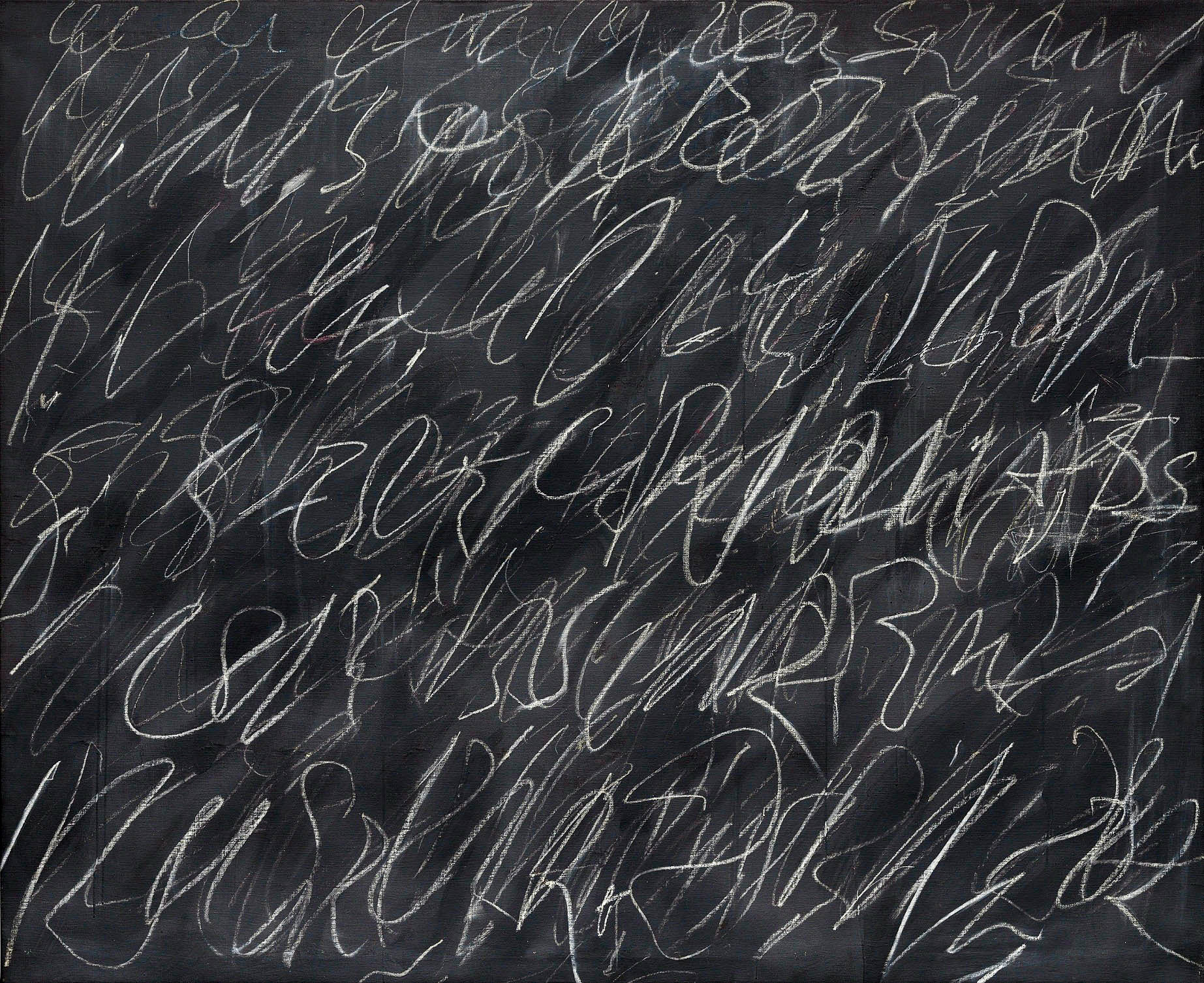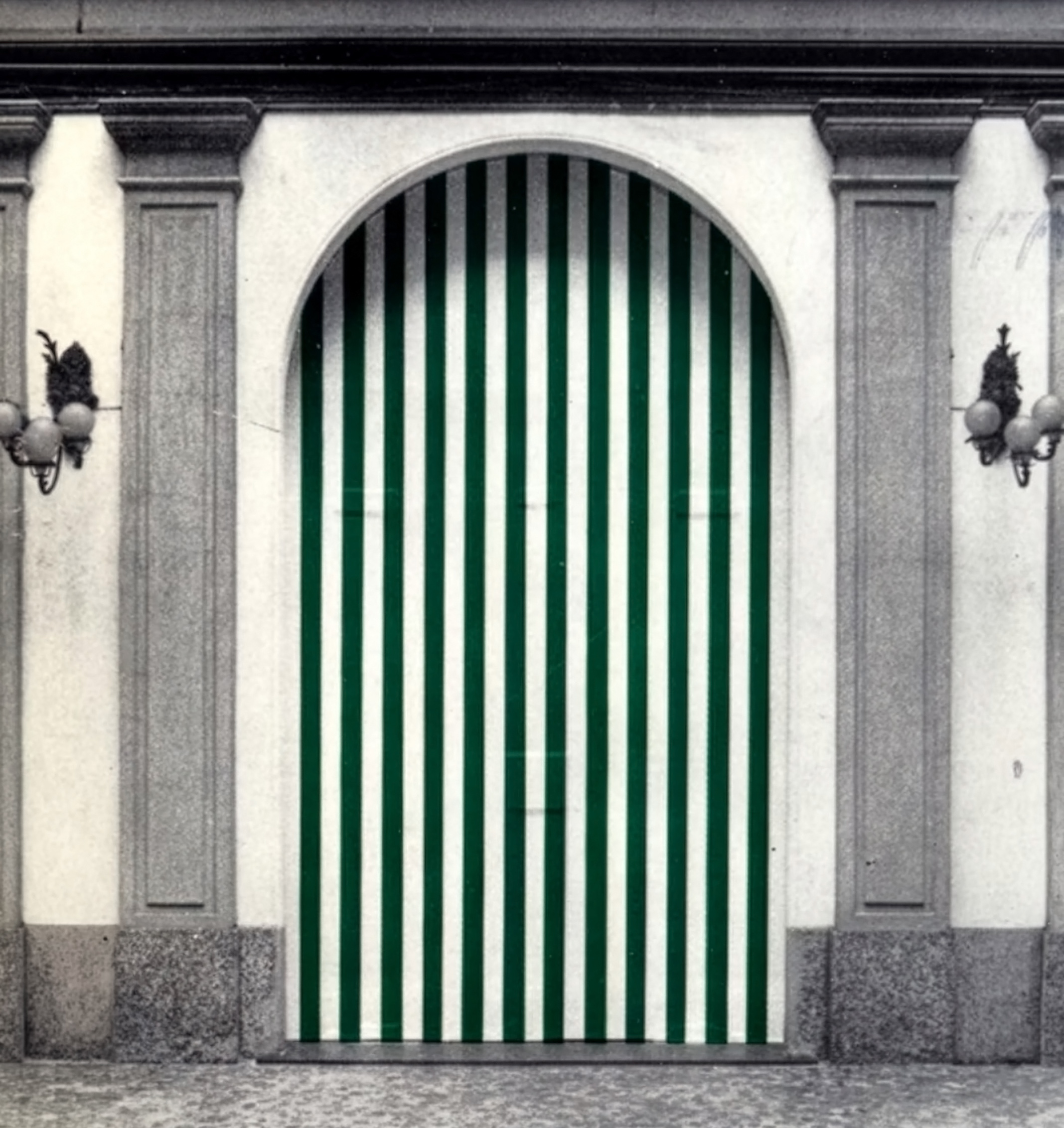


The wall gives the name before the work gives itself.
Modern and Contemporary. Abstract Expressionism. Minimalism. The eye reaches the text first, then the room, then the canvas. The sequence feels natural because the museum has already arranged it that way. The names are printed on walls, embedded in maps, repeated in captions, built into browse menus. They feel less like descriptions than architecture. A museum does not ask whether the category holds. It installs it.
Then the objects begin to separate from the names.
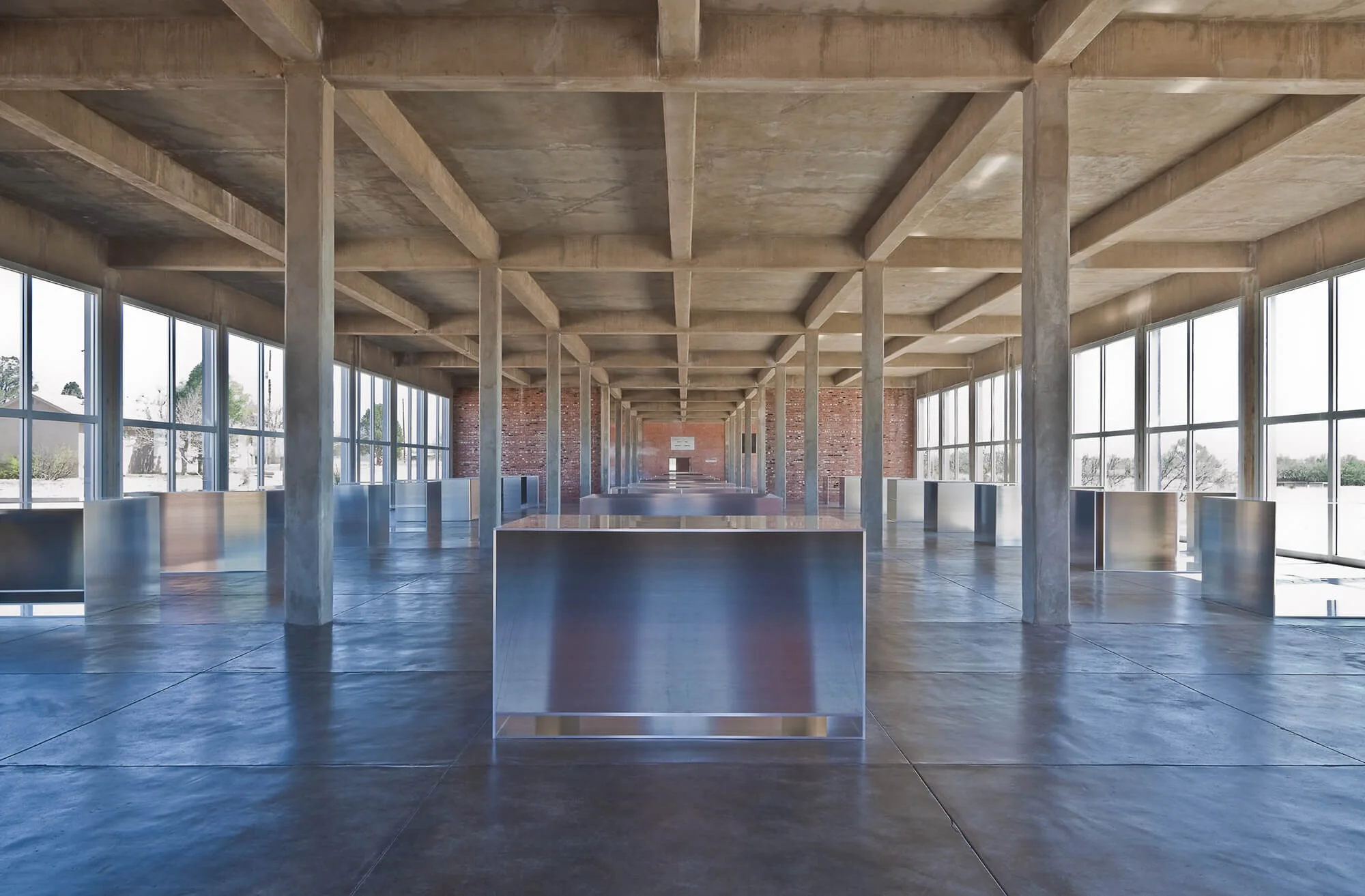
A Judd sits on the floor, the wall held behind it, the interval between them doing as much work as the object itself. The term has not produced that relation. The work has. Across the hall, Pollock carries a different burden. His painting arrives under a name large enough to contain Rothko, Newman, de Kooning, Still, Mitchell. The room offers unity. The procedures do not. What the viewer receives first is not the work. It is the sorting.
What does not appear is when the category was made. Robert Coates names Abstract Expressionism in 1946. The term now appears on the wall before Pollock does. Most movement names were made this way, after the work, as retrospective acts of criticism and curation. The name came late. In the museum, on the platform, in the browse, it comes first. The grouping meets the viewer before the work it was built to describe.
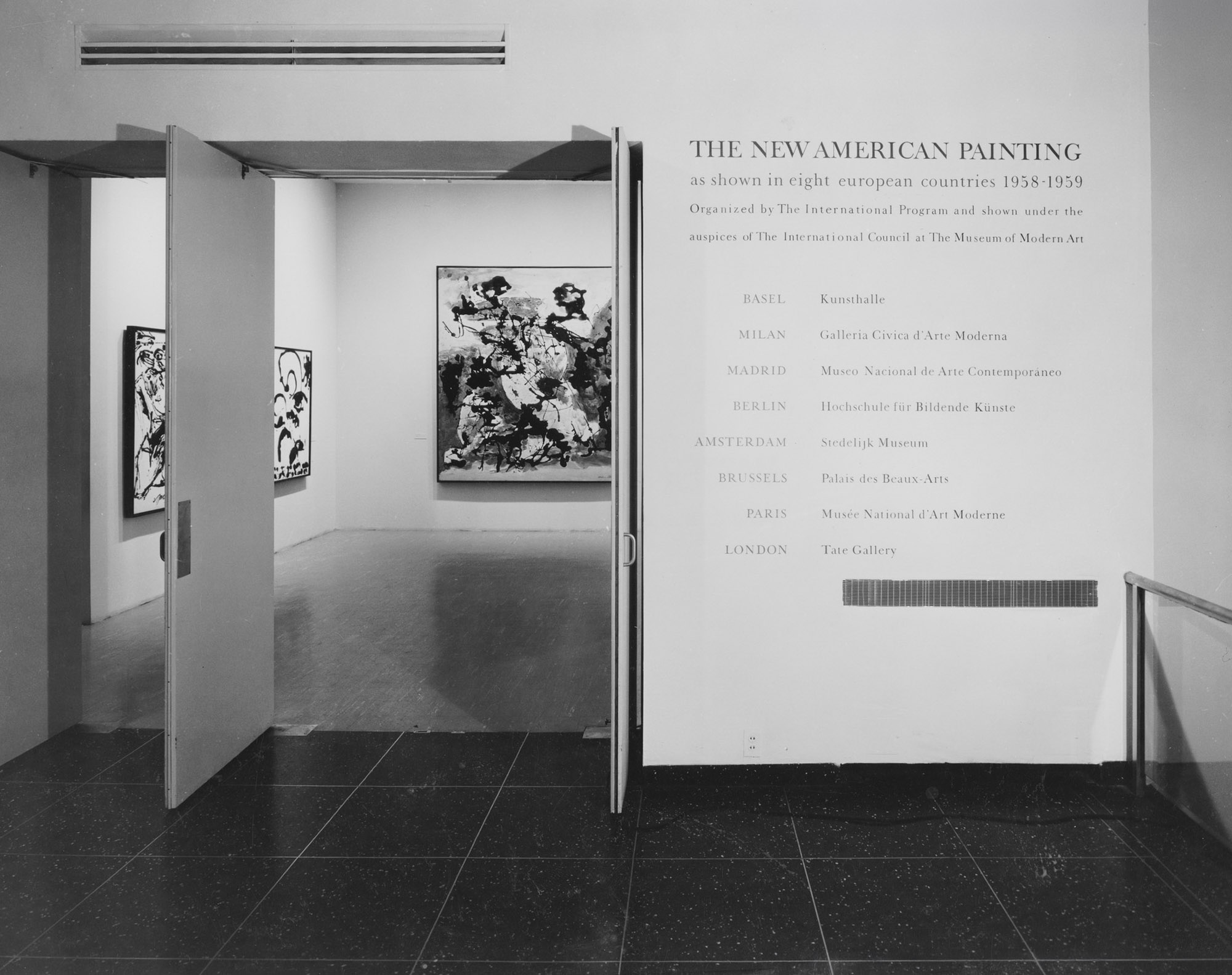
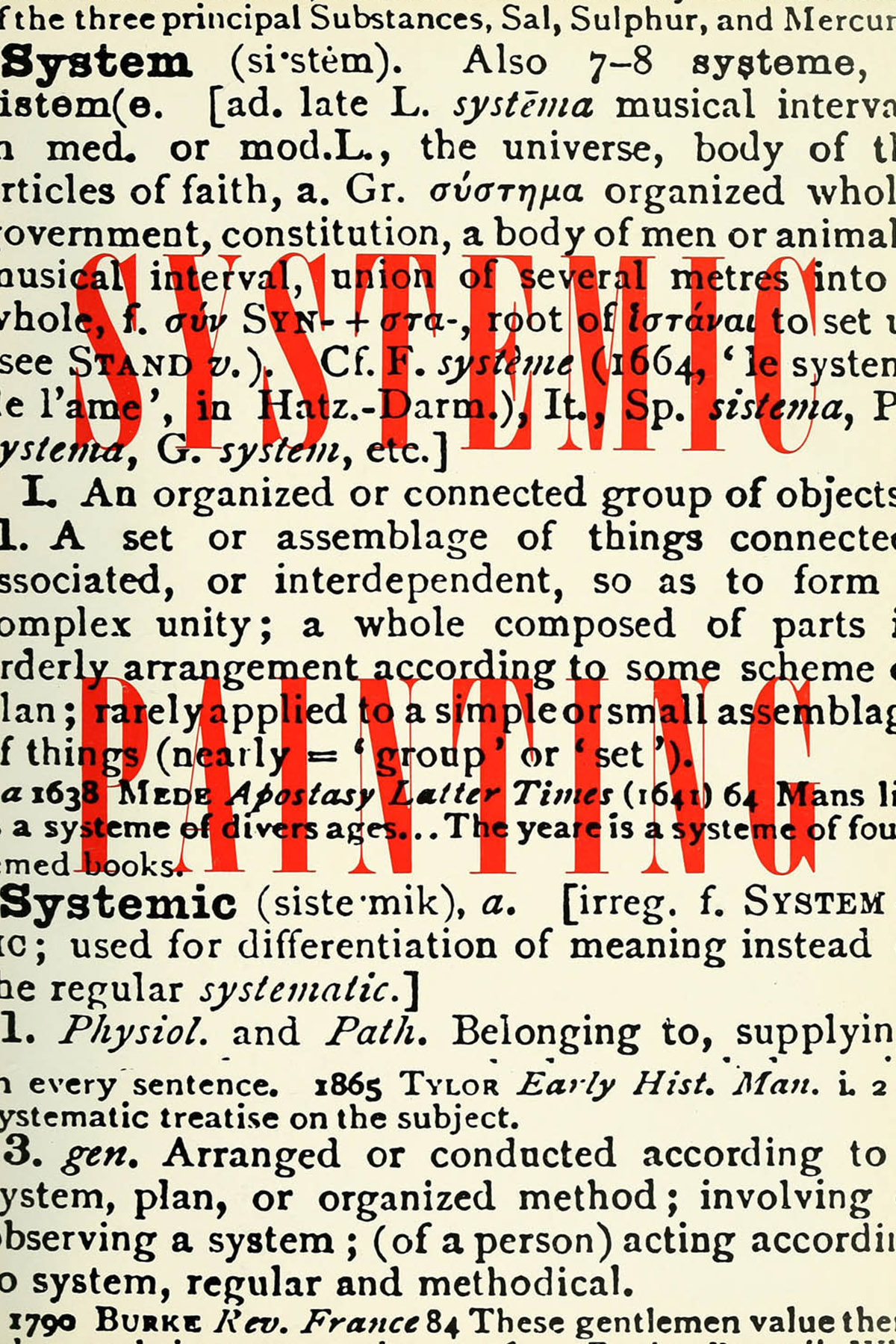
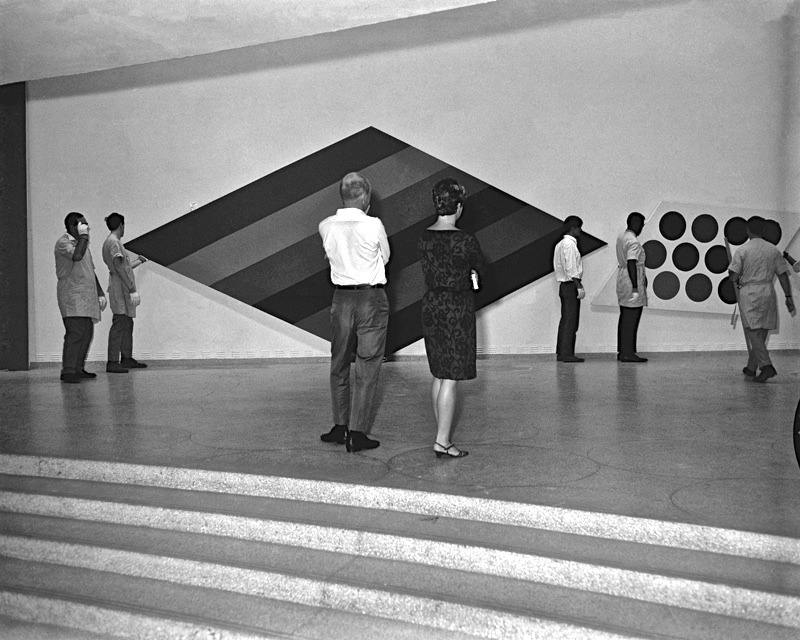
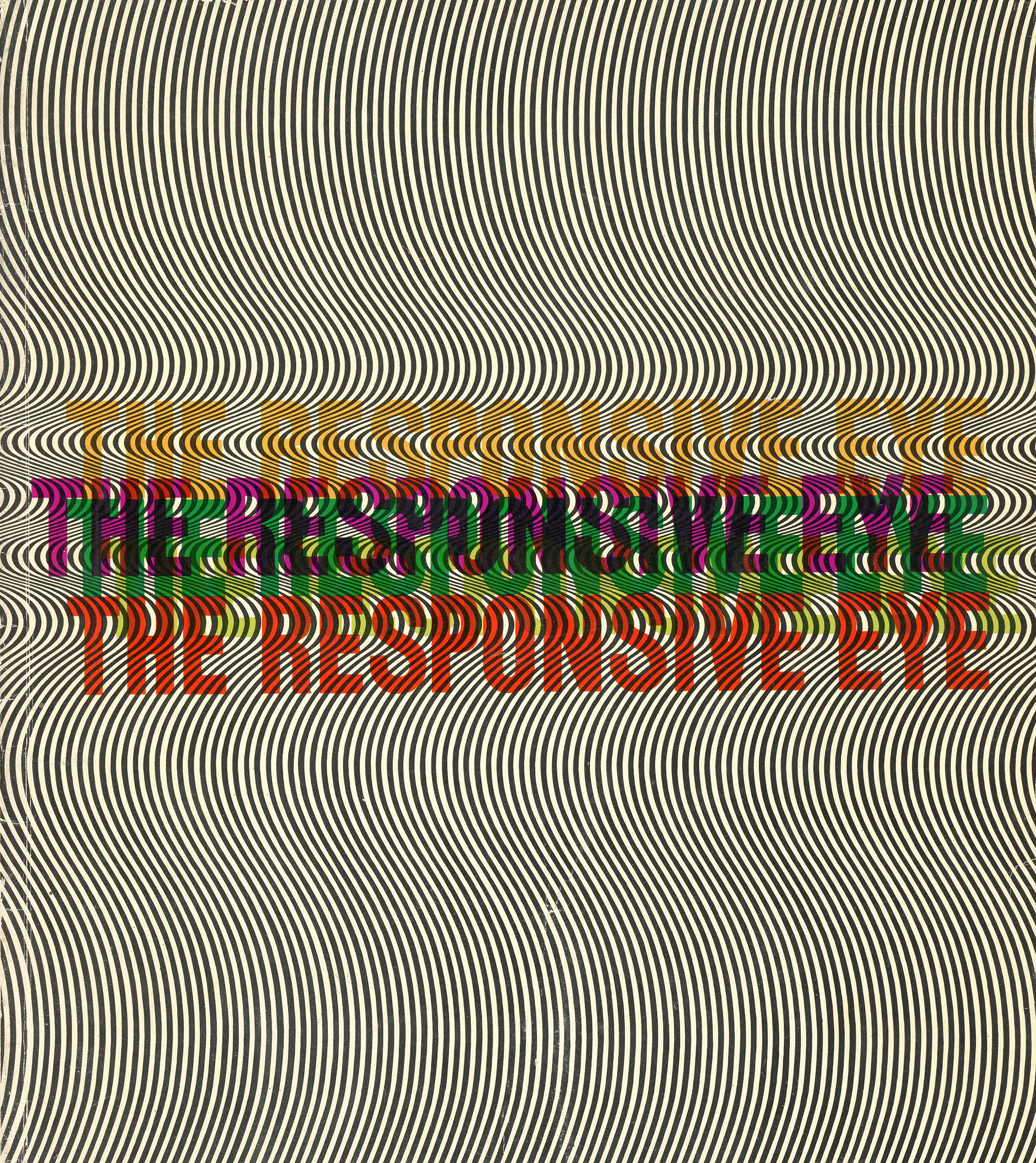
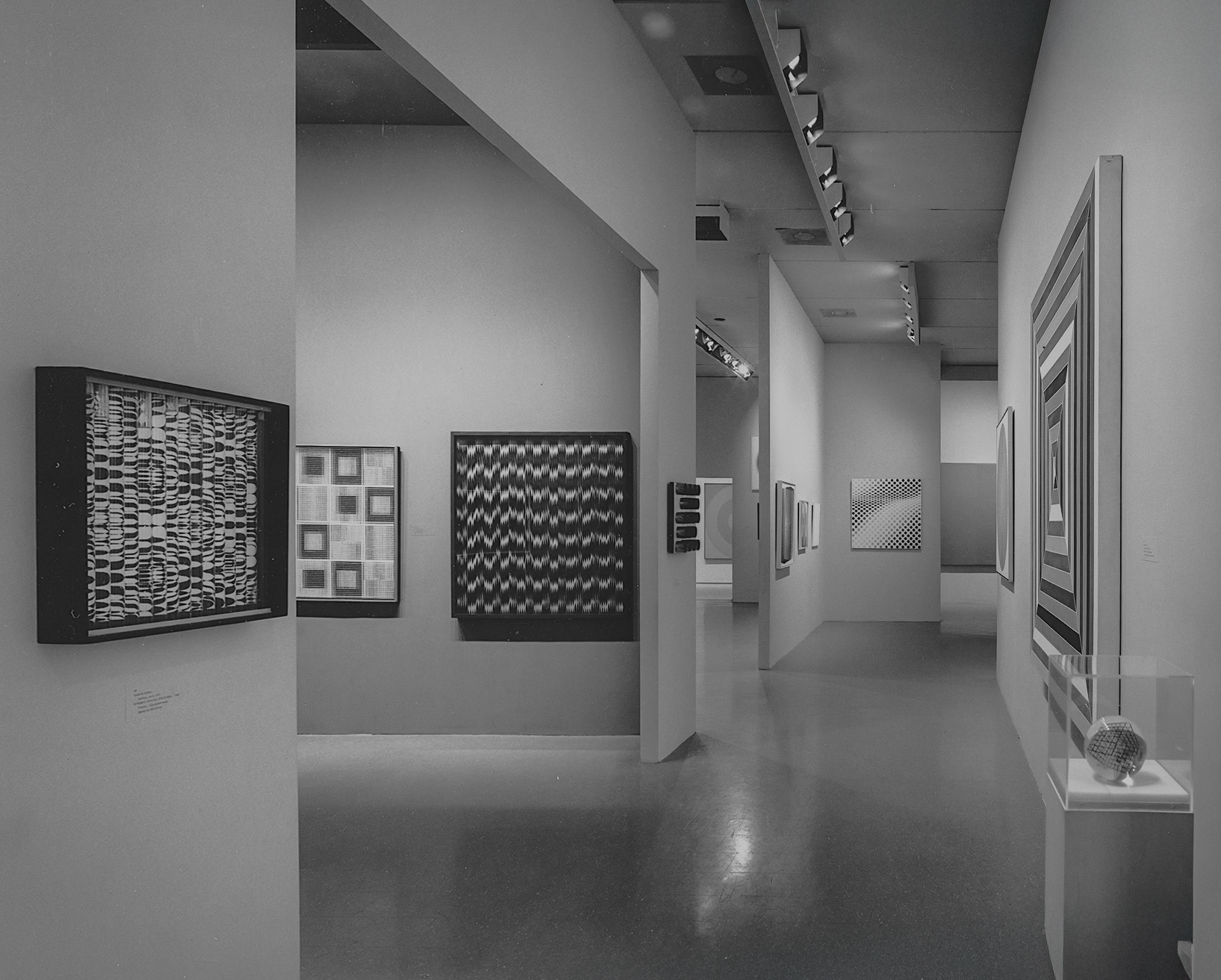
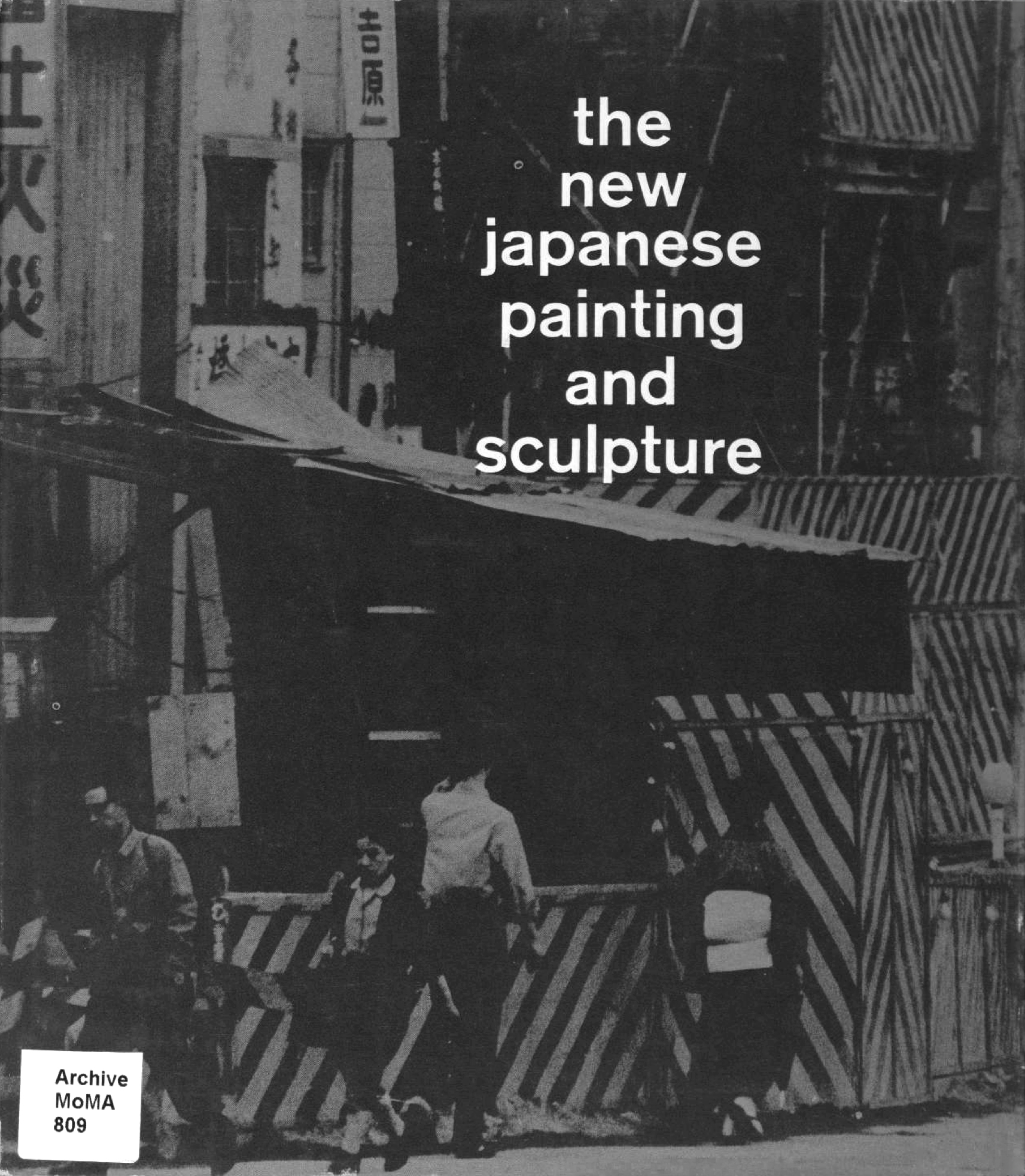
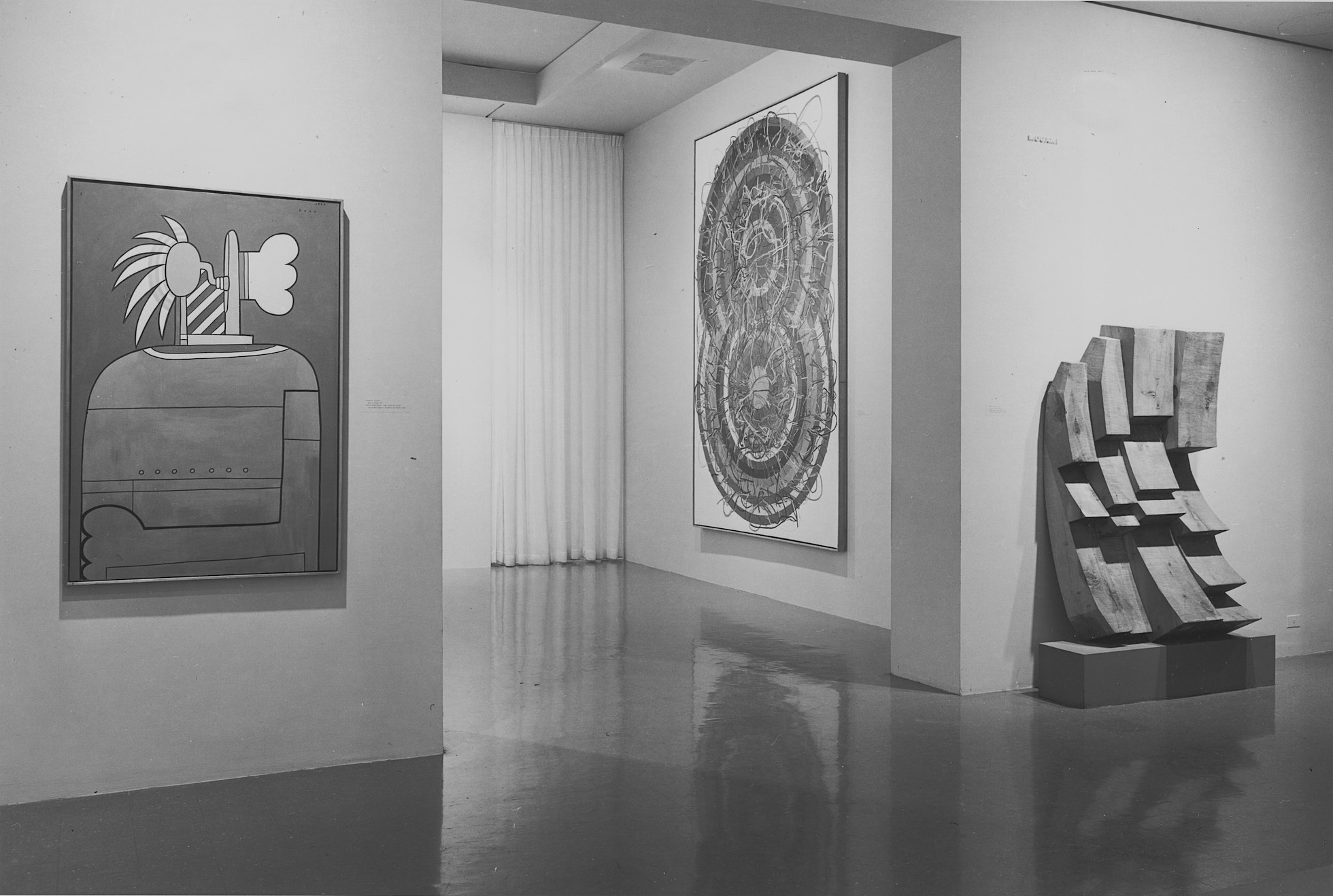
Exhibition history makes the condition visible because exhibitions often do more than present a category. They help make one usable. The New American Painting made a postwar American grouping exportable, carrying the category through institutional form before its internal procedures could be separated. Post-Painterly Abstraction named painting after gesture. Primary Structures named structure as volume. Systemic Painting made system visible as look. The Responsive Eye gathered works through optical effect, allowing perception itself to behave like a movement name. The New Japanese Painting and Sculpture did something adjacent through geography and contemporaneity, gathering different postwar operations under the double promise of national origin and newness. These titles did not simply gather works already secured by method. They helped produce the terms under which different operations could be received together. The title was not only the name of the exhibition. It was the first architecture of the room.
By this point, the category is no longer only describing. It is helping the room hold together. It is giving the sale room comparables. It is making a history easier to correct. It is giving the platform a route. None of these functions is simply false. The problem is that they begin to arrive with the same authority, as if description, correction, market frame, geography, and interface path were the same kind of thing.
There are movement categories that can still be tested against the work. There are others that survive by the company they keep. The same word covers both. Encounter does not distinguish between them.
Minimalism is not a method either, not finally. Stand with the works long enough and the differences begin to show. Judd specifies. Andre places. Flavin installs light. LeWitt delegates rule. The category does not name one operation. But it remains testable against visible refusals: hierarchy, illusion, pictorial composition, gesture, handmade surface. A viewer does not need the word Minimalism to register that something has been withdrawn from the old organization of painting and sculpture. Unit, interval, surface, edge, wall — these arrive before the category finishes speaking.
Abstract Expressionism begins to fail differently.
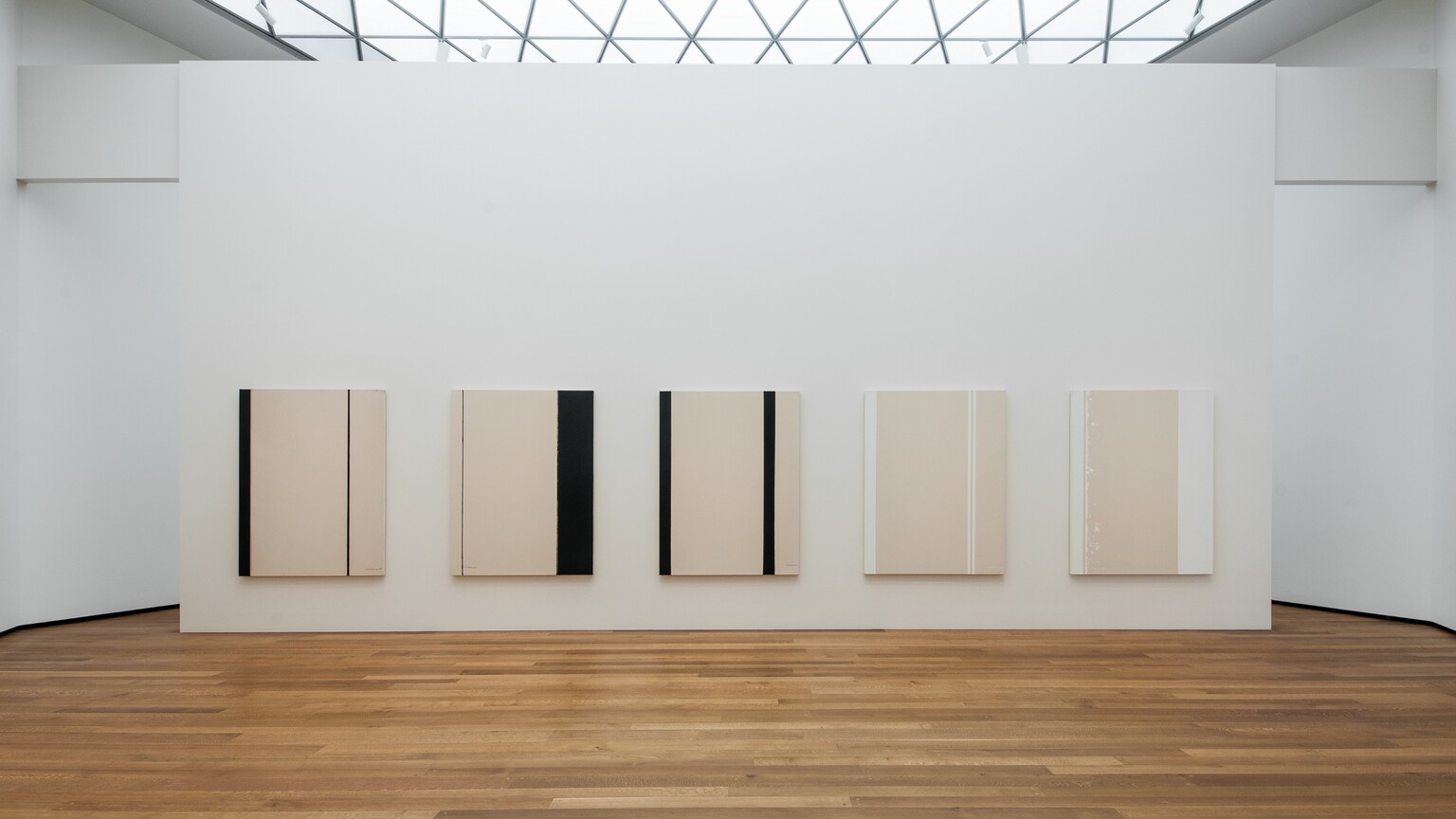
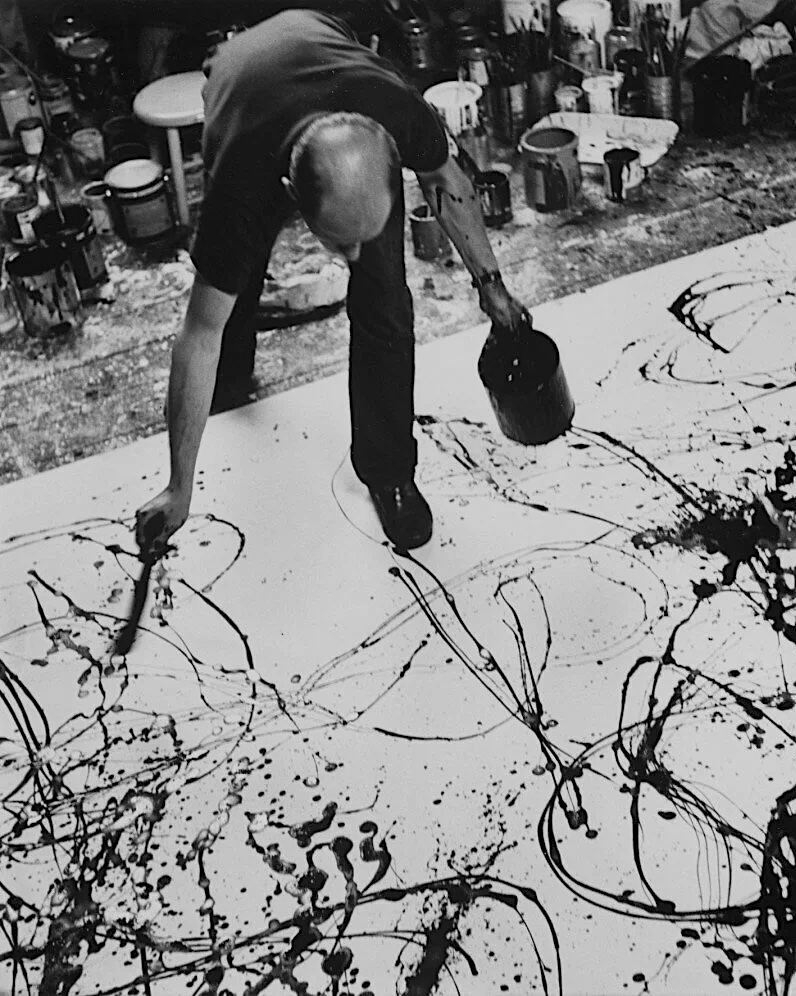
In Autumn Rhythm, Pollock gives the category what it wants at first: scale, movement, paint dispersed across the whole field. The painting seems to confirm the name before it begins to disturb it. The surface appears to turn bodily action into method. The word gesture feels available because the field is restless enough to accept it. The eye tries to follow one line through the field and loses it. The more closely the work is read, the less it behaves like gesture. No mark carries the whole. The surface is built through deposit, interruption, overlap, gravity, and duration. The category sees movement and calls it method. The work gives something else: conditions under which no single mark can become sovereign.
That problem does not resolve across the room. Pollock’s drip, Rothko’s field, de Kooning’s figure, Newman’s zip, Still’s edge do not yield one recoverable operation. The body moves from canvas to canvas expecting the name to gather them, but the procedures keep separating. Scale repeats. Seriousness repeats. Method does not. They do not become one method because they occupy one historical frame. The label at the door holds them together more firmly than the walk between the canvases does. It names who was in the room, not what the work does.
A category in this condition is rarely removed. It is subdivided. The failing term becomes a parent and smaller terms gather beneath it.
Subdivision looks like precision because each new term appears to repair something the parent term could not hold. Second-generation Abstract Expressionism extends the sequence. Post-Painterly Abstraction redraws the border when the parent has already become too elastic. Women of Abstract Expressionism does something different: it corrects an exclusion that mattered, returning artists to visibility within a history that had narrowed around fewer names. These are not the same gestures, and they do not carry the same stakes. But they preserve a shared structure: each refinement keeps the parent term in place as the name under which refinement must occur.
Subdivision can correct and maintain at the same time. That is what makes it powerful, and what makes it difficult to separate from the parent term it revises. This is not unique to Abstract Expressionism. It is how parent categories survive: a later term narrows the field without fully displacing the name that first made the field legible.
The museum installs the category. The auction prices it. The platform indexes it.
This survival is not only critical. It is infrastructural. Auction valuation depends on comparables. Comparables depend on cohorts. Cohorts are often constituted by movement. Sotheby’s totaled $270 million in a single November 2019 contemporary evening sale “on the strength of Abstract Expressionist masterworks.” The number was not theoretical. It was spoken in a sale room, then fixed by the hammer.
The category does descriptive work and infrastructural work at once. The sale room needs the category less as a method than as a field of comparison. A work enters the auction already accompanied by the frame that makes it legible: movement, period, cohort, precedent, estimate. The painting is singular, but the price is comparative. It needs neighboring works, prior sales, and a category stable enough to make one object measurable against another. Price logic rides on the descriptive frame. The parent term routes legibility for every artist placed within it — established, peripheral, or later received through the category. This is not a special condition produced by recovery. It is the condition the market produces for everyone. Correction does not necessarily break the parent. Often it returns through the parent’s infrastructure, even when it succeeds.
The platform makes the condition more immediate. The viewer no longer enters a room. The viewer receives a path. A thumbnail appears beside a movement, a tag, a procedure, a related artist. The system does not ask whether the relation is historical, material, procedural, geographic, or market-made. It only needs the relation to function as a route.
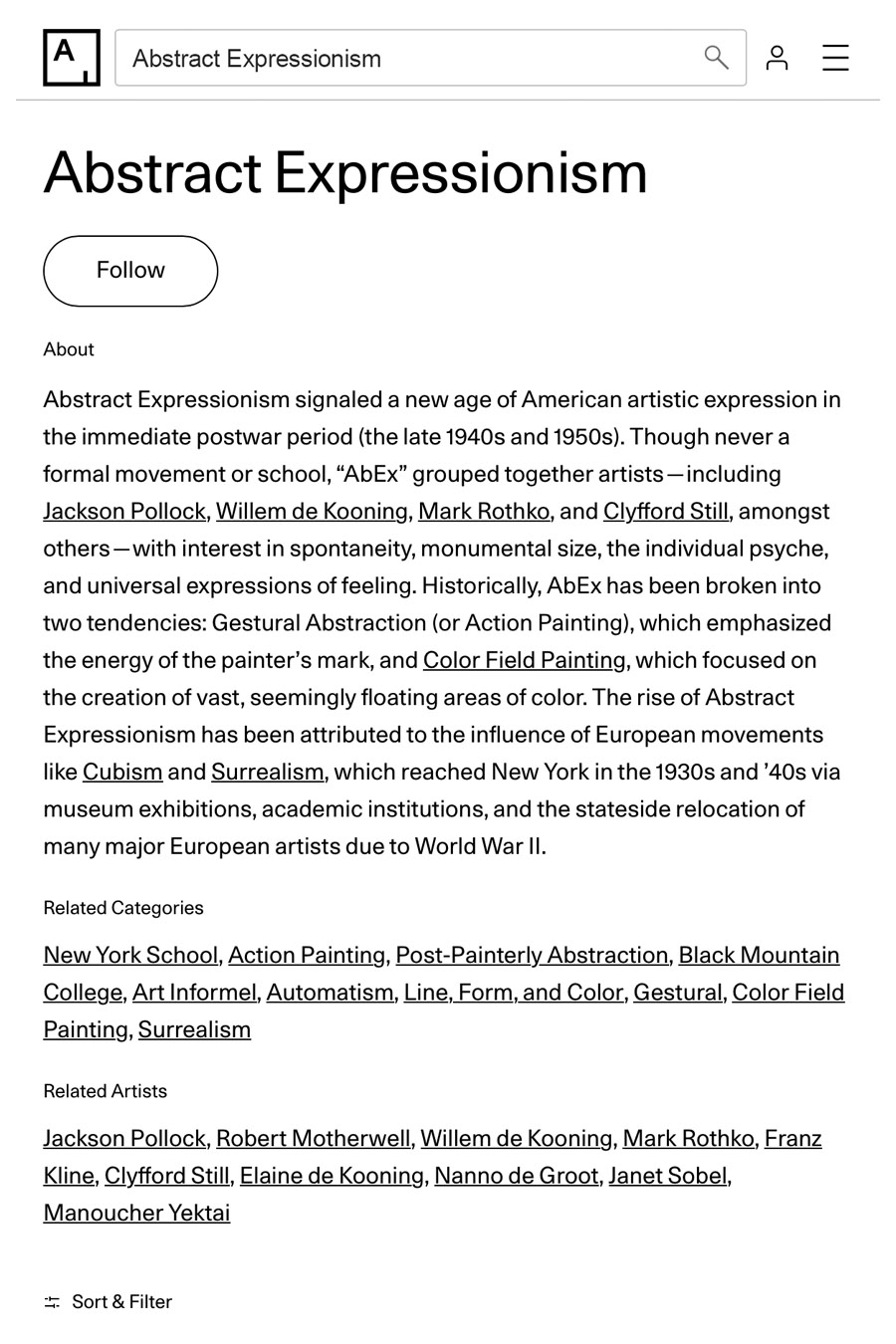
Artsy makes this logic visible through the Art Genome Project, which does not invent these categories so much as inherit them in preserved form, turn them into data, and return them as more of the same. Its genes are weighted and applied at the same scale. Abstract Expressionism is a gene. Splattered/Dripped is also a gene, defined through poured or splattered paint, with Pollock named as its principal practitioner.
The problem is not that the tag is wrong. It is that the tag arrives with the same visual authority as every other tag around it. Movement, procedure, medium, geography, correction, market frame — each becomes another route beside the image. The system does not need them to mean the same thing. It only needs them to operate at the same level.
The grouping and the procedure enter the system at the same architectural level. So can geography, period, medium, effect, and national frame. Each becomes a browse path. Each becomes recommendation logic. This indifference is not a flaw in the system. It is what lets the system scale.
A Judd thumbnail appears. A Pollock thumbnail appears. A Japanese postwar work appears beside a movement, a material, or a date. The frames match. The recommendation returns. The architecture does not register that one category is more testable against the work than another. It does not need to. The viewer receives each with the same authority. The parent terms subdivision kept alive are the same terms the platform now delivers at first contact. What the system flattens is what the essay has been trying to separate.
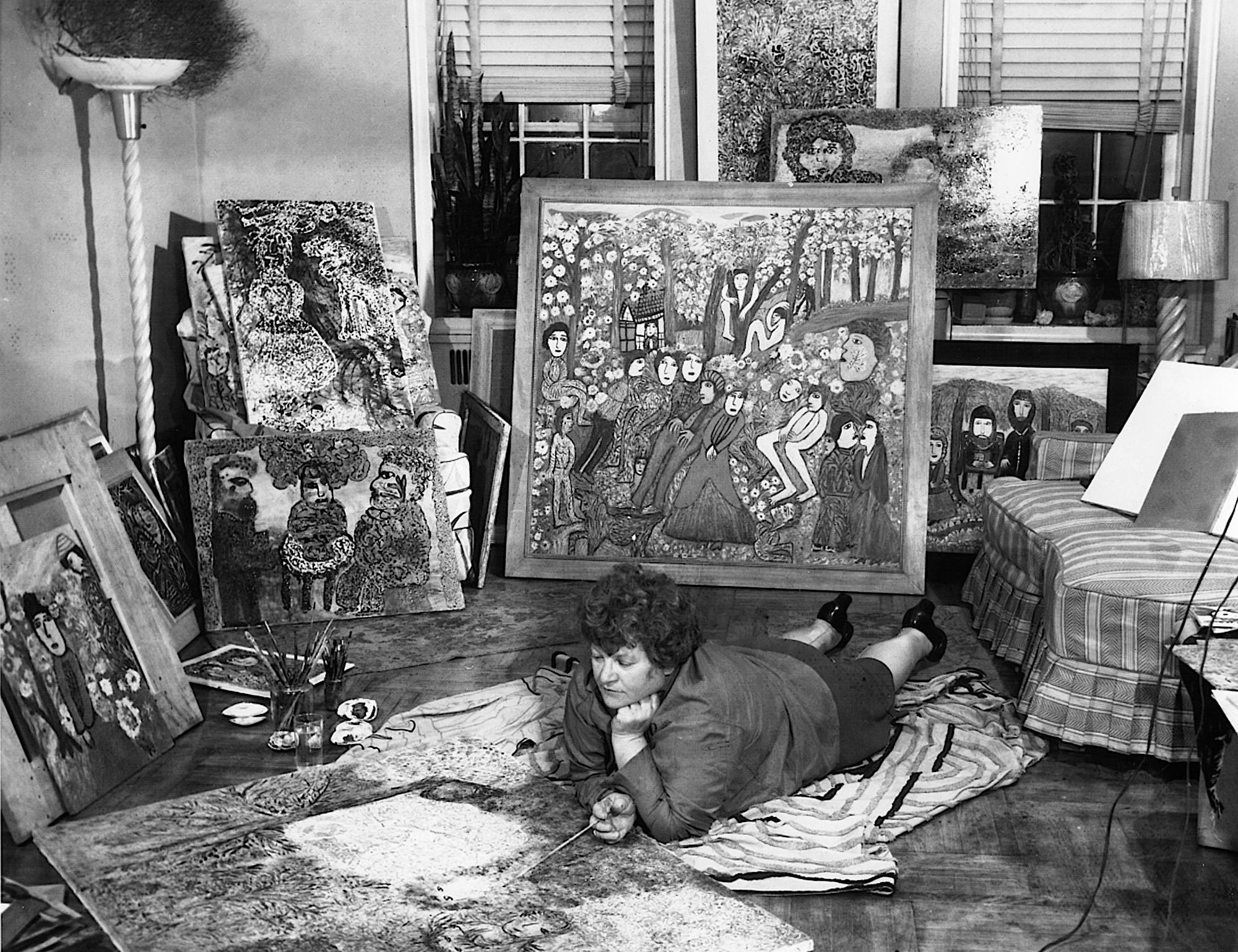
The Splattered/Dripped gene names Pollock first and Janet Sobel second. Before the drip became identified with Pollock’s name, Sobel was already making poured and dripped surfaces at home in Brooklyn, within ordinary domestic conditions far from the studio mythology later attached to the drip. The poured and dripped material was already present. What differed was the setting through which those decisions became visible. A domestic interior and a studio do not carry the same art-historical force, even when related procedures are at work.
Later, the platform can place Pollock and Sobel beside one another through the same procedural tag. That proximity matters. It restores a relation the earlier category did not hold. But the tag cannot tell the viewer how differently the procedure first entered visibility. The interface can connect them without explaining the difference between invention, recognition, and later sorting.
A category can restore visibility and still govern the terms of visibility. It can correct an exclusion and preserve the architecture through which exclusion became legible. It can name a procedure that happened before the movement and return it through the movement’s own system of recognition. It can gather works through geography, period, or contemporaneity and make that gathering feel like a shared condition before the procedures have been read.
This is where description ends: not because categories are false, and not because they can be discarded. It ends when different kinds of naming begin to arrive with the same authority, at the same point of contact. The viewer does not first receive the distinction between history, market, correction, geography, procedure, and interface. The viewer receives the path. The name comes first. The work follows. By the time the work appears, description has already become architecture. Its architecture is routing.
Categories often reach the viewer before the work does — on walls, in sale rooms, and inside platforms — organizing how works are seen, compared, priced, recovered, and found. The problem is not that categories are false. It is that description can become the route before the work is encountered.
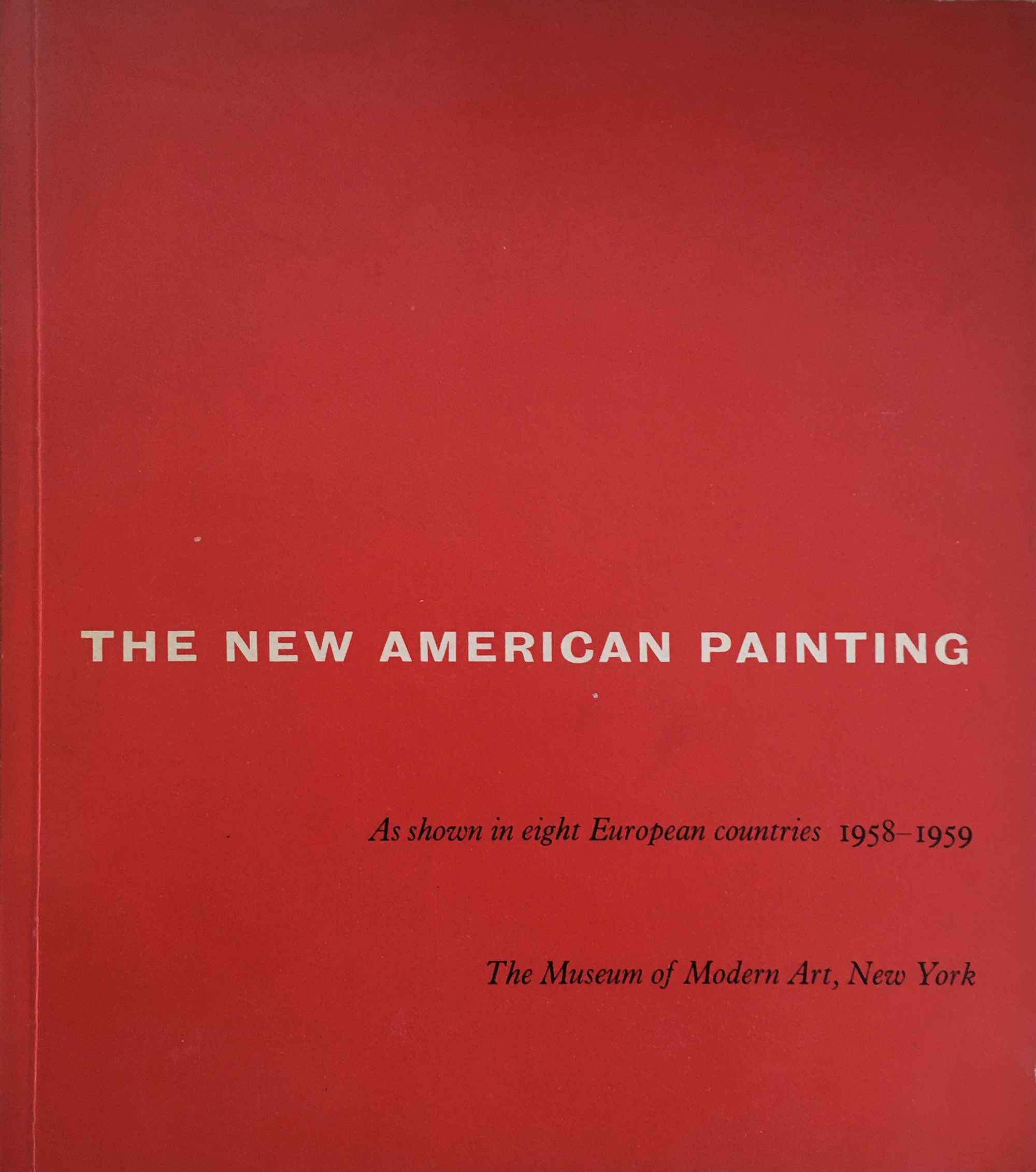




Cover: Kynaston McShine, Primary Structures: Younger American and British Sculptors. New York: The Jewish Museum, 1966. Catalogue designed by Elaine Lustig Cohen.
All images © their respective rights holders.