

A sheet of glassine, pale and translucent, marked in pencil. Held to the light, the room comes through. Across the top, printed: SCHREIBZEIT. Below, a column of figures: the digits of a calendar date added together, added again, reduced to a single integer. Beside the figures, a passage transcribed by hand from Hölderlin, Valéry, Rilke, Baudelaire, Brecht, Sartre, or Heidegger. At the foot of the sheet, written and struck through with a single line: Heute. Today.
The sheet is finished but not composed. The writing is repeated but not decorative. The day has been marked, and the day has been closed. The closing is not only a notation. The pen has passed across Heute. The day is crossed out by hand.
Turn the page. The same procedure begins again.
Sheets recur. A numerical system carries across pages. One unit follows another. Volumes accumulate. No sheet is a composition unto itself; each belongs to a sequence whose logic is set in advance and whose execution carries the sequence forward. Recurrence is the first thing the work gives you.
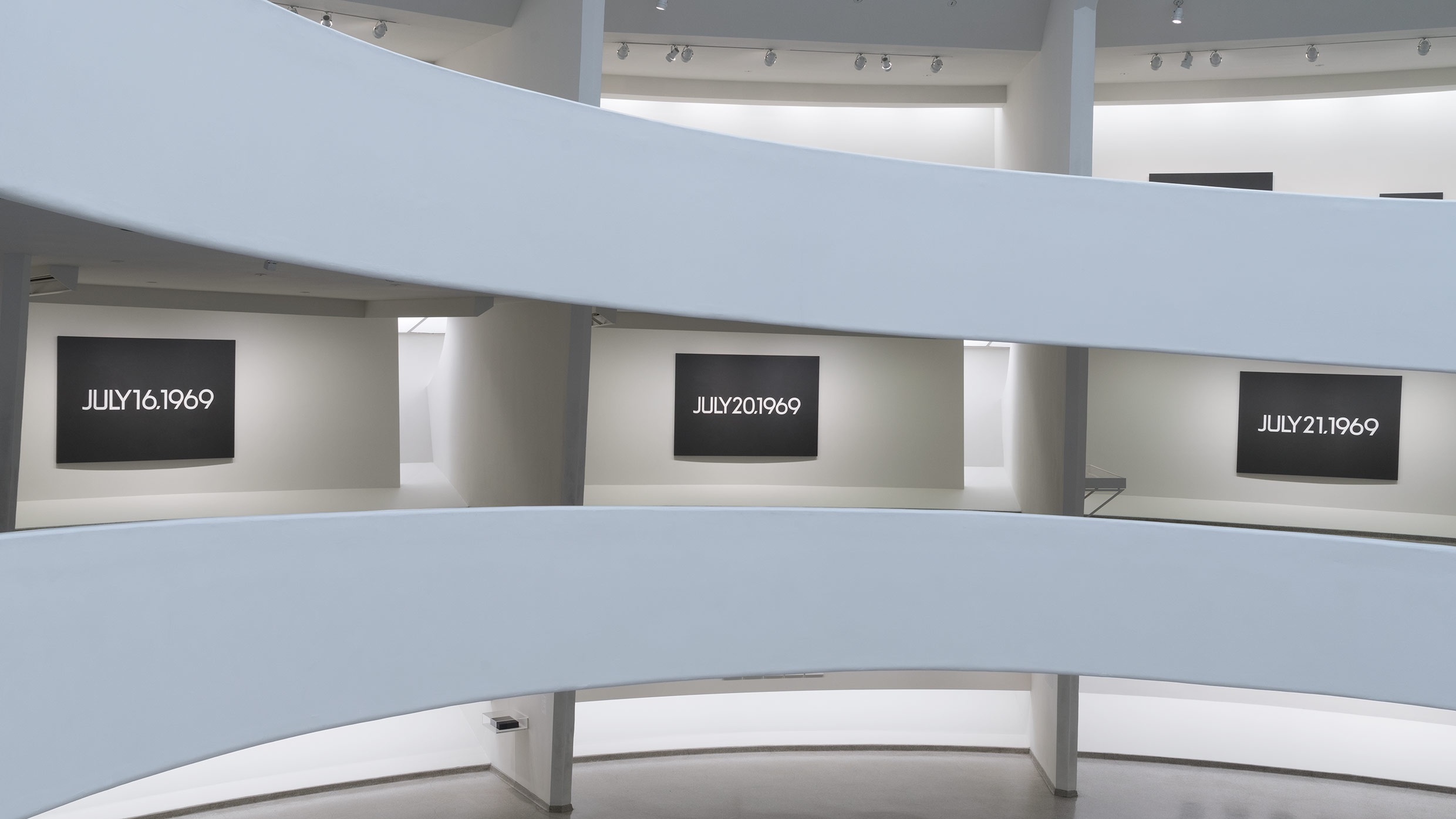
In 1967, Mel Bochner named serial order as a method, not a style. A serial work, in his account, derives its internal divisions from a predetermined process. Order takes precedence over execution. The completed work exhausts the logic that generated it. Darboven appeared in his closing inventory, among artists whose work suggested future possibilities for serial method. She was not one of the examples carrying the argument’s weight. She appeared near the edge of the category, where the category was beginning to test what else it could hold.
Bochner’s frame could see the repeated sheets, the numerical procedure, the order set in advance. It could see the surface behavior of the work. It could not yet name the operation that made the work different. In Bochner’s central cases, the system stands upstream from the work: a procedure is established, executed, and completed as the work. Darboven’s system does not detach so cleanly. It is not simply before the work. It is happening at the same time as the work. The execution of the system, by hand, daily, across years, is not a secondary stage. It is the work’s condition.
The pages are not what the system made. They are where the system was kept.
A serial work, in Bochner’s sense, is self-exhausting. It ends when its internal logic has completed itself. Darboven’s work does not end that way. There is no terminus built into the procedure. The calculation can continue as long as the hand can continue. The work stops not because the system has exhausted itself, but because the keeping stops.
Sol LeWitt does not stand outside this argument. He was one of the first people to understand Darboven’s work. They met in New York in the mid-1960s. LeWitt recognized her work early, acquired one of her early indexes, and remained a correspondent for decades. A letter from Darboven to LeWitt reads: I write/I don’t describe/writing writing/there is nothing to describe. Their closeness makes the structural difference sharper.
A LeWitt wall drawing can be executed by a trained drafter years later, in another city, on another wall. The instruction carries the work beyond the artist’s hand. The hand that draws is the medium through which the instruction passes. Authorship is held in the rule.
Darboven’s page holds to its date. The count was performed for that date. The transcription was read into the record on that day. The crossed-through Heute closed that day’s entry. A page inscribed later by another hand may reproduce the calculation, the spacing, the appearance. It is still a copy of an entry that was supposed to have been kept when it was kept.
The instruction in LeWitt is atemporal. The entry in Darboven is dated. One can be executed from the rule; the other exists because the act occurred when it did.
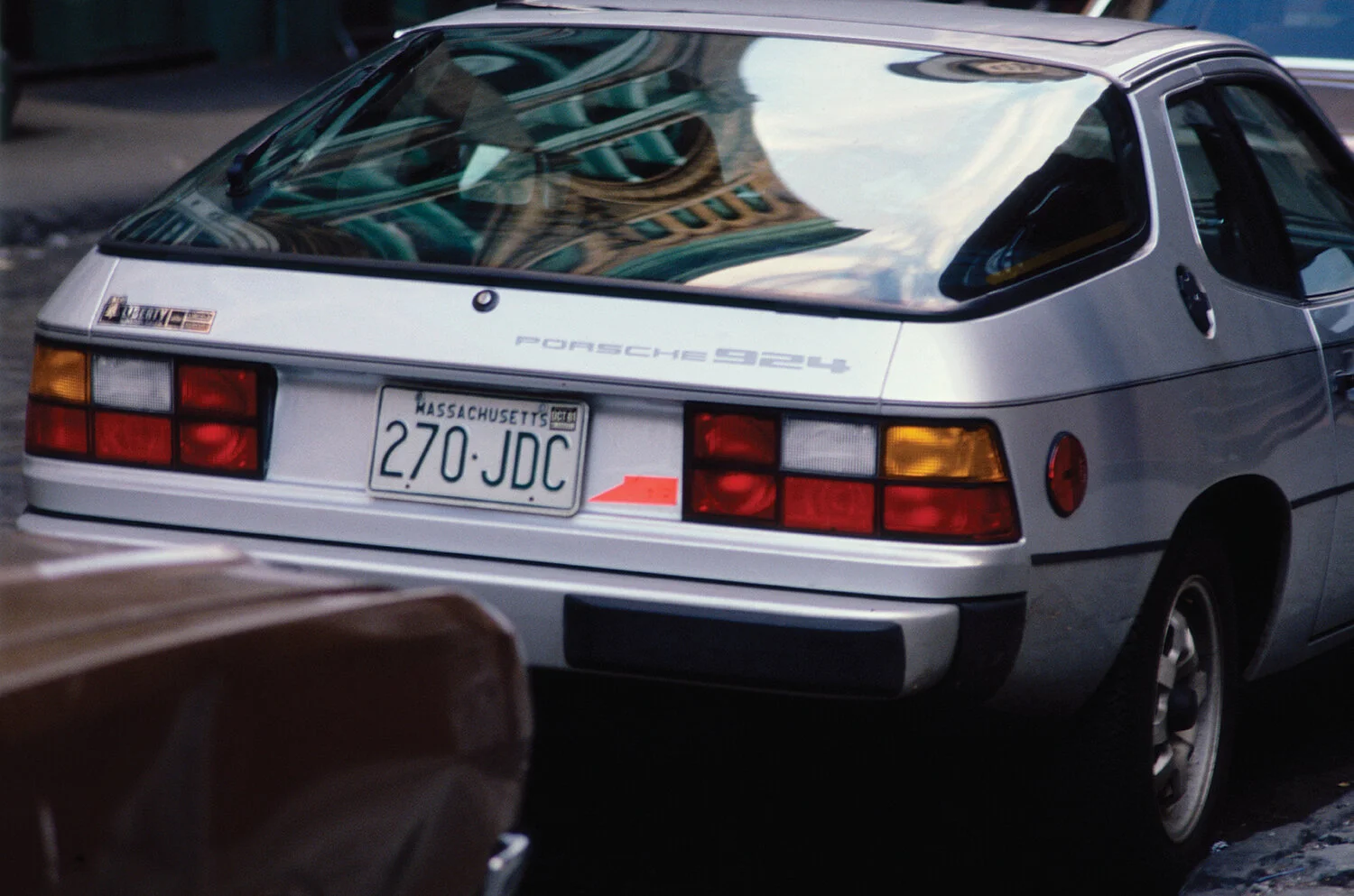
Darboven’s practice did involve other hands. Her works were reproduced in printed volumes. Her music could be realized with collaborators and performers. Installations were hung by others. In Kulturgeschichte 1880–1983, many units were found, sourced, or made by other people; the New York doorway photographs were Roy Colmer’s. The whole practice is not sealed from delegation.
What cannot be displaced is the daily inscription: the date entered, the count performed, the passage copied, the day closed by the hand to which that day belonged. Everything around the keeping could circulate through others. The keeping itself could not.
Administration gets the surface right and the site wrong. It sees records, systems, quantification, procedure. But administration belongs to institutions. It produces files through structures that can continue without a single hand. A ledger is different. It exists because it is kept. Its entries are dated. Its authority comes from the act of keeping, not from the institution that stores it afterward. Administration produces records; a ledger is the daily act by which a record exists at all.
It is not a diary. Nothing is confessed. It is not an archive, assembled after the fact from what survived. A ledger is kept entry by entry, and the act of entry is what makes the record exist.
Darboven’s system is not above her. It is what her hand performs. There is no bureau behind the count. There is one hand, in one house, entering day after day. The work borrows the look of administration and removes the institution from it. What remains is not bureaucracy. It is accounting by duration.
The keeping did not begin in an untouched world.
Darboven grew up on the southern edge of Hamburg after a war that had made continuity unstable: oil refineries bombed, civic records interrupted, houses nearly erased, public memory rebuilt from fragments. A bomb reportedly fell within feet of the family property. This does not make the sheets memorials. They do not describe destruction. They describe nothing. But the pressure changes what a record is asked to do.
A narrative can explain rupture after the fact. Darboven does something else. She keeps the day, again and again, as if continuity had to be rebuilt not by telling history, but by entering it.
The figures of the date are added together, then added again, until the day reduces to a number. The number is written. Beside it, a passage is transcribed by hand. Schreibzeit sits at the head, naming the act being performed: writing time. At the bottom, Heute is crossed through. The day is not illustrated. It is not described. It is entered.
Schreibzeit, begun in 1975, extends across thirty-two volumes. Pencil, pen, glassine, calculation, transcription, date. Each sheet repeats the conditions. No sheet repeats the day. The repetition is not only visual. It is physical: the hand returning to the count, the wrist returning to the page, the body submitting again to the duration the calendar only names.
The number belongs to that date. The copied passage belongs to that entry. The crossed-through Heute closes what the page has opened. The sheet is not simply a drawing or a conceptual proposition. It is a page from a kept book.
A serial procedure ends when its divisions are complete. A ledger closes when the keeping stops.
The count matters because it was kept. Not because the calculation is difficult, and not because the system is impossible to reconstruct. A checksum performed on another day is only the same calculation. It is not the same entry. The work is not the result of the count. It is the keeping of it.
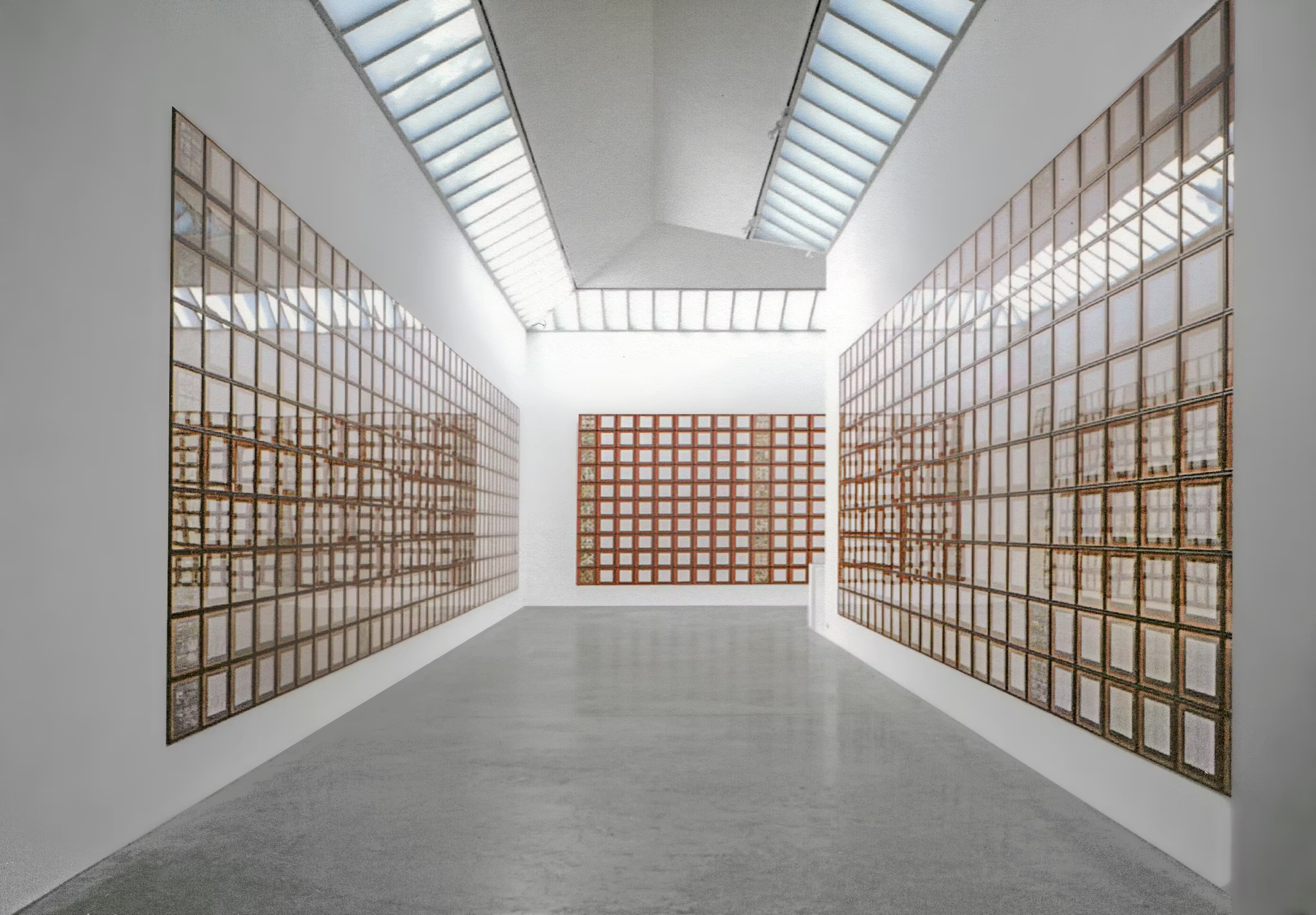
In Kulturgeschichte 1880–1983, the daily checksum no longer carries the work in the same visible way. The unit changes. A Roy Colmer photograph of a New York doorway becomes an entry. A Der Spiegel cover becomes an entry. A postcard becomes an entry. A camera, a pinup, a film star, a weaving diagram, a fragment from an earlier Darboven work becomes an entry. These are not inscribed by her hand the way the Schreibzeit calculations are. They are gathered, placed, entered into a system of cultural record.
In Kulturgeschichte, the act changes. Schreibzeit is keeping by inscription. Kulturgeschichte is keeping by collection. The first writes the account. The second admits the world into one. What persists is not the same material act, but the same demand: that time, culture, image, and memory be held as units in an account that must be kept. The keeping continues. What is kept changes.
At that scale, ordinary reading gives out. Panels multiply across the room. Public history presses against private notation. Doorways, magazine covers, postcards, celebrities, diagrams, and documents accumulate without becoming narrative. The work does not compose history into a story. It enters fragments into a record.
Darboven’s phrase now reads literally: writing, not describing. Description would turn the day, the fragment, the cultural image into content. Darboven keeps it instead. There is no narrator inside the account. The work does not tell us what the day means. It makes the day accountable to the act that entered it.
The sheet is not a record of time after it has passed. It is the place where time was kept.
Seriality can repeat. Administration can file.
Darboven accounts.
In Hanne Darboven’s work, structure is produced through daily inscription and accumulation, allowing time to exist as a kept record rather than as a completed system.


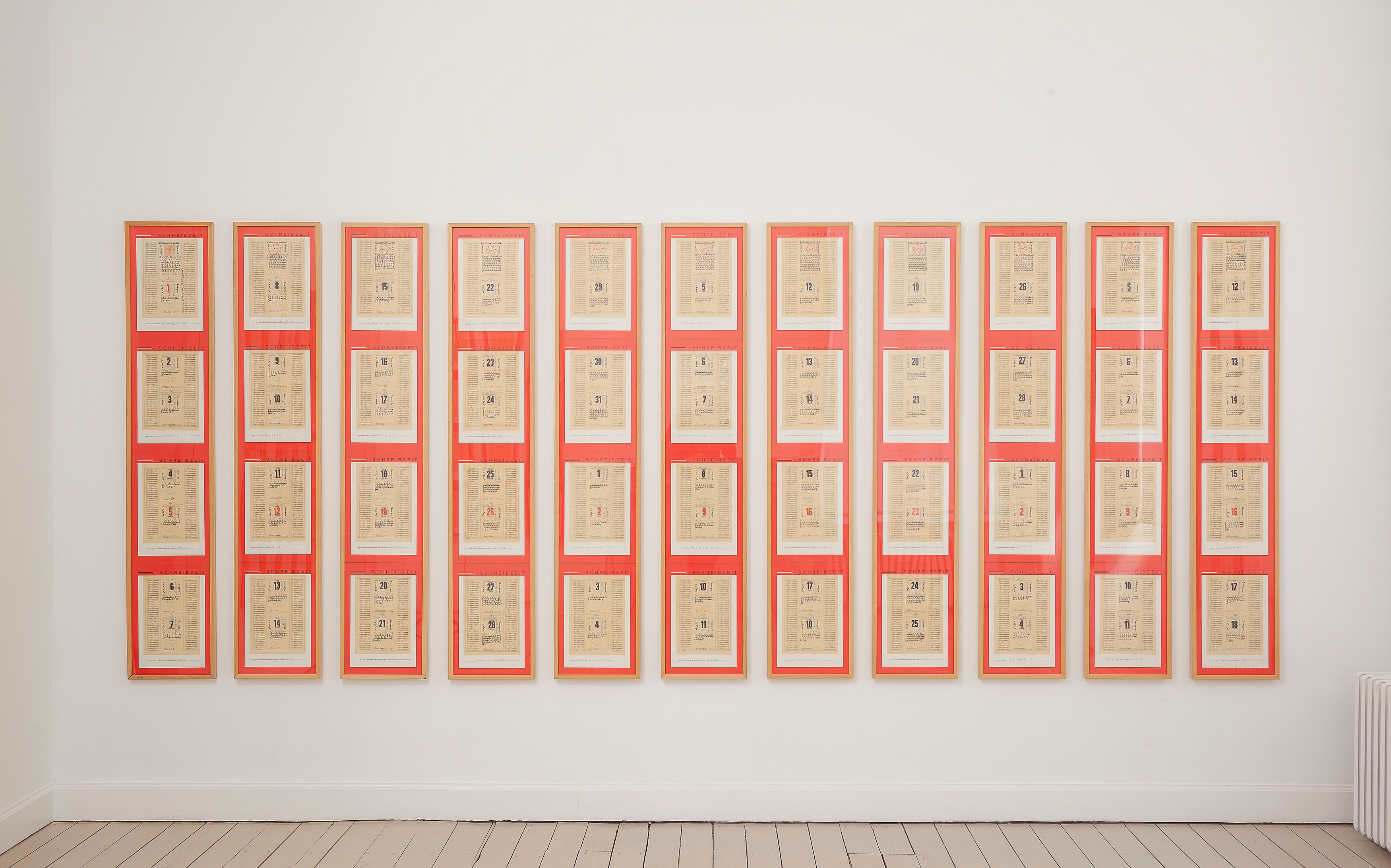


Cover: Detail: Hanne Darboven, Schreibzeit, 1975–81. Ink and pencil on paper, red card mount.
All images © their respective rights holders.