

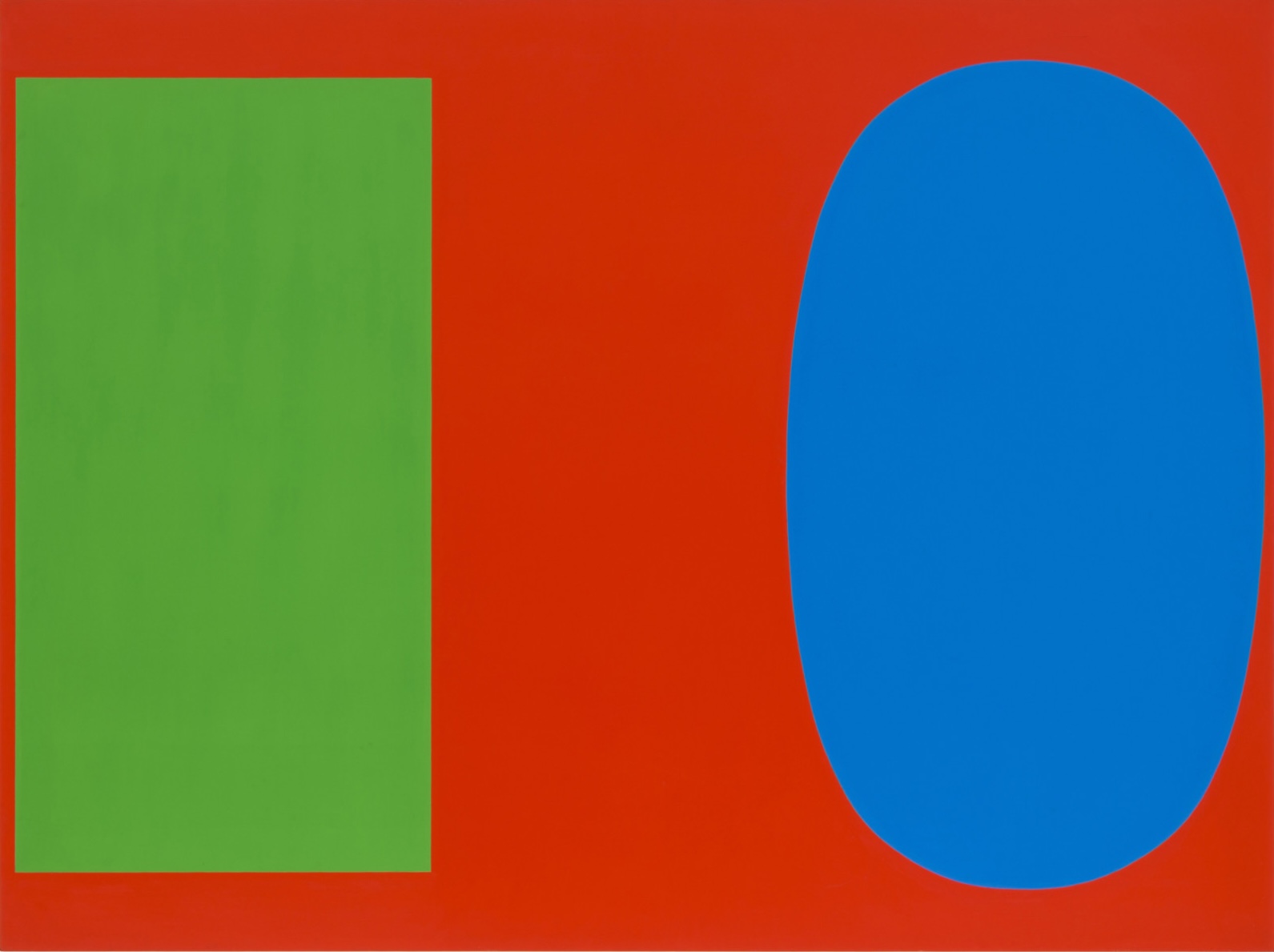
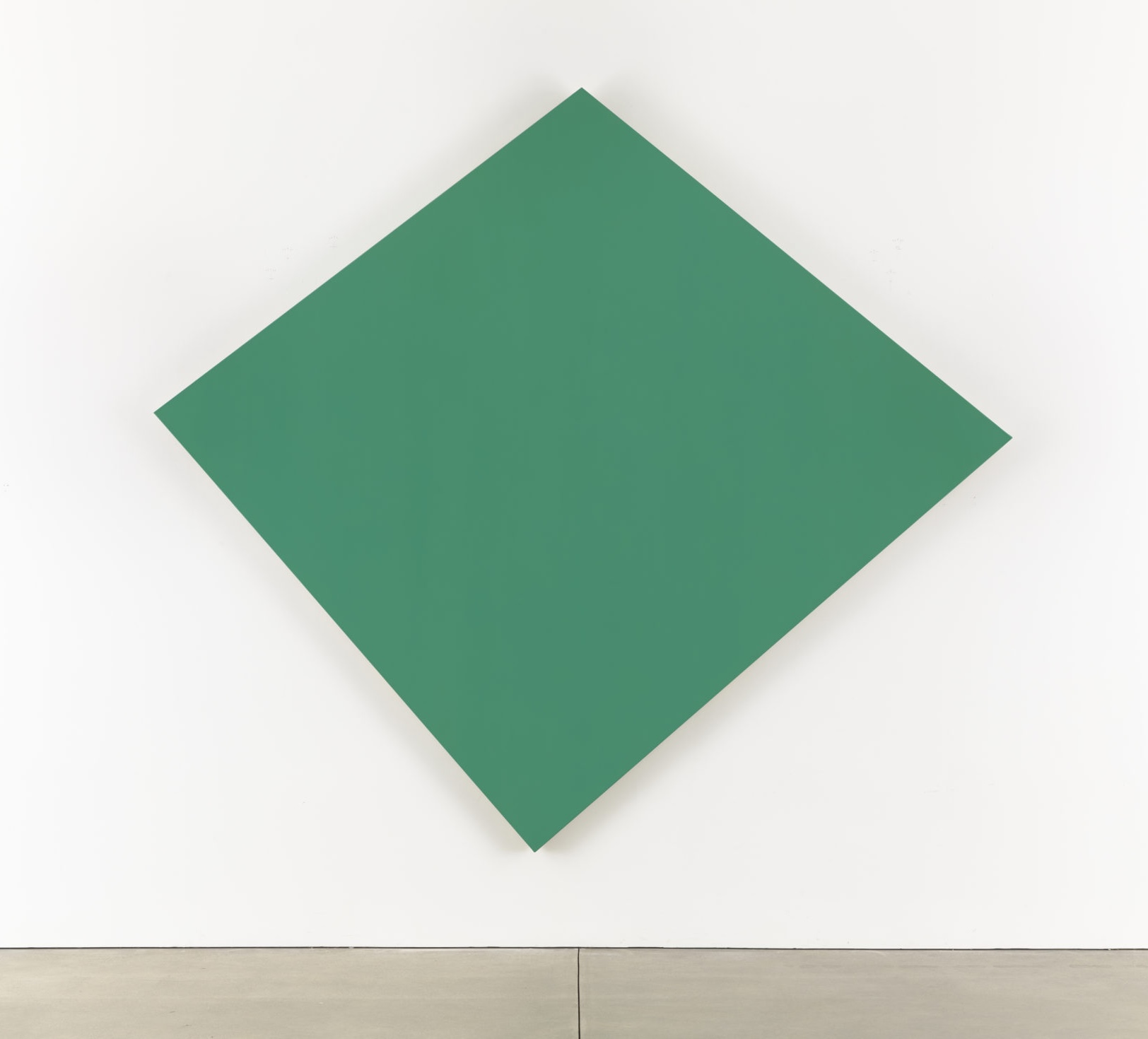
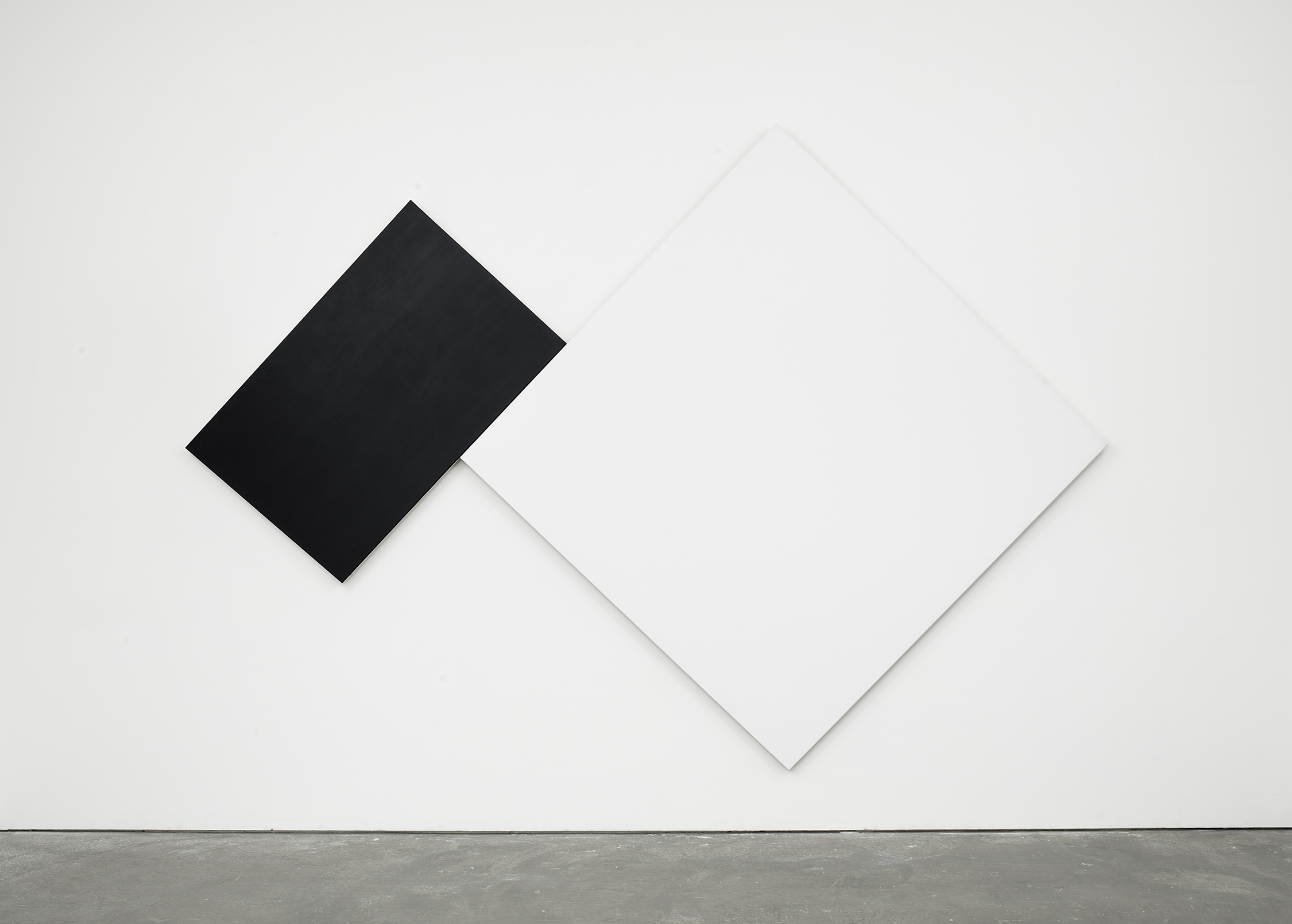
A green form meets a red form and neither concedes. The boundary is clean. The paint stops without hesitation. There is no trace of revision, no thickening at the edge, no sign that the line could have been otherwise. Color meets color and holds.
Curves meet fields at angles that do not soften. The shape is already fixed. Nothing drifts. Nothing bleeds. The edge does not negotiate. It divides. Looking at Ellsworth Kelly, the category is not argued for. It is assumed. The paintings give no resistance to that assumption. They confirm it at every boundary.
The edge is therefore read as the site of decision. The reading is understandable. The edge is where the painting closes its account, where one territory ends and another begins. It is visually the most consequential feature. But the decision the painting makes is not made there. It has already been made by the time the edge is drawn. The edge executes a decision. It does not constitute one.
To treat the edge as the place where the work does its work is to read the painting from its outside in. The work moves in the other direction. The decision precedes the edge by a distance the category cannot measure. The edge is the last thing to happen. It is treated as the first.
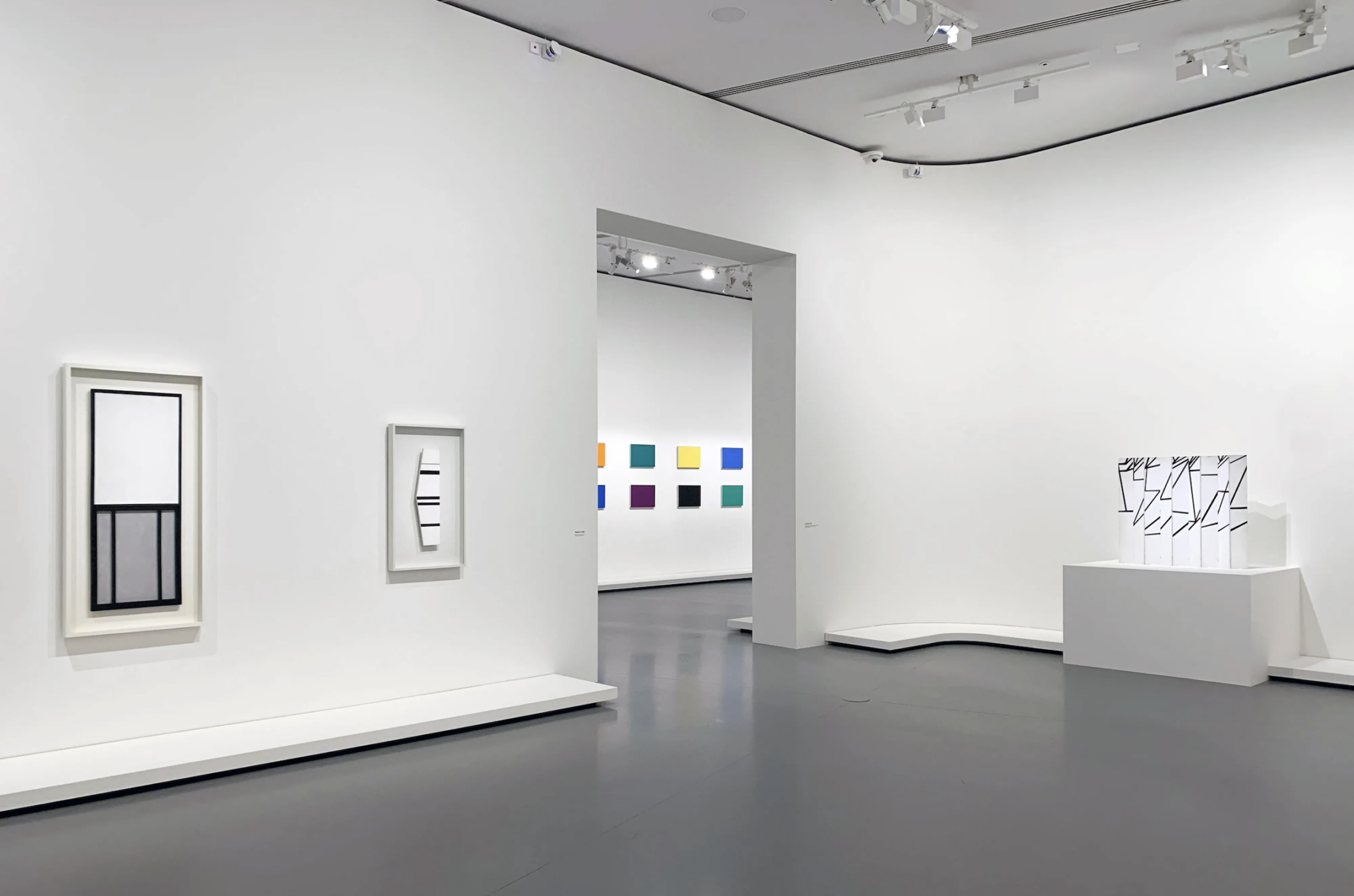
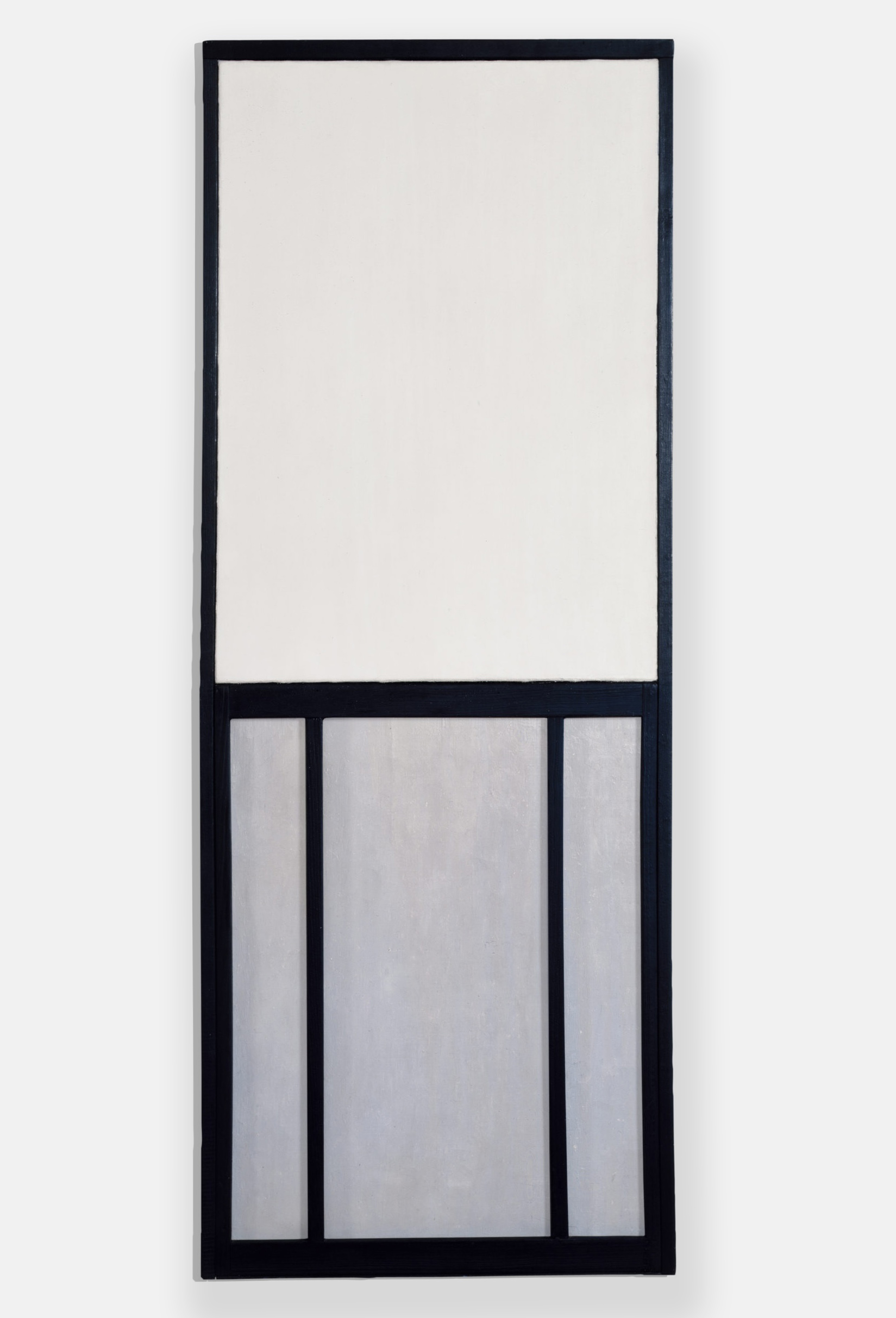
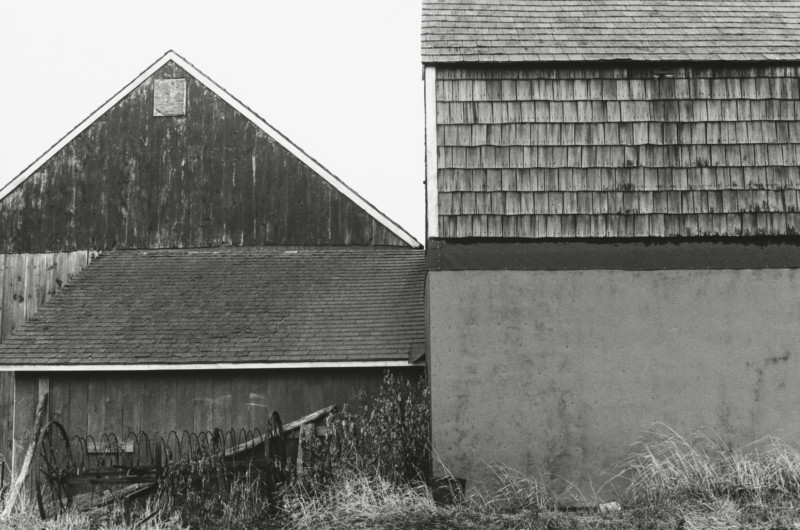
Kelly’s operation is selection and transfer. A relation is found in the world. It is isolated. It is fixed on canvas without invention. The window in Window, Museum of Modern Art, Paris from 1949 is an actual window at the Musée national d’Art moderne, seen during Kelly’s Paris years. The painting preserves its proportions, its division, its weight of frame against pane. It does not design that relation. It receives it. What survives the transfer is not the window as object but the relation itself: the proportion of frame to pane, the division of one shape against another, the fact of a boundary already given.
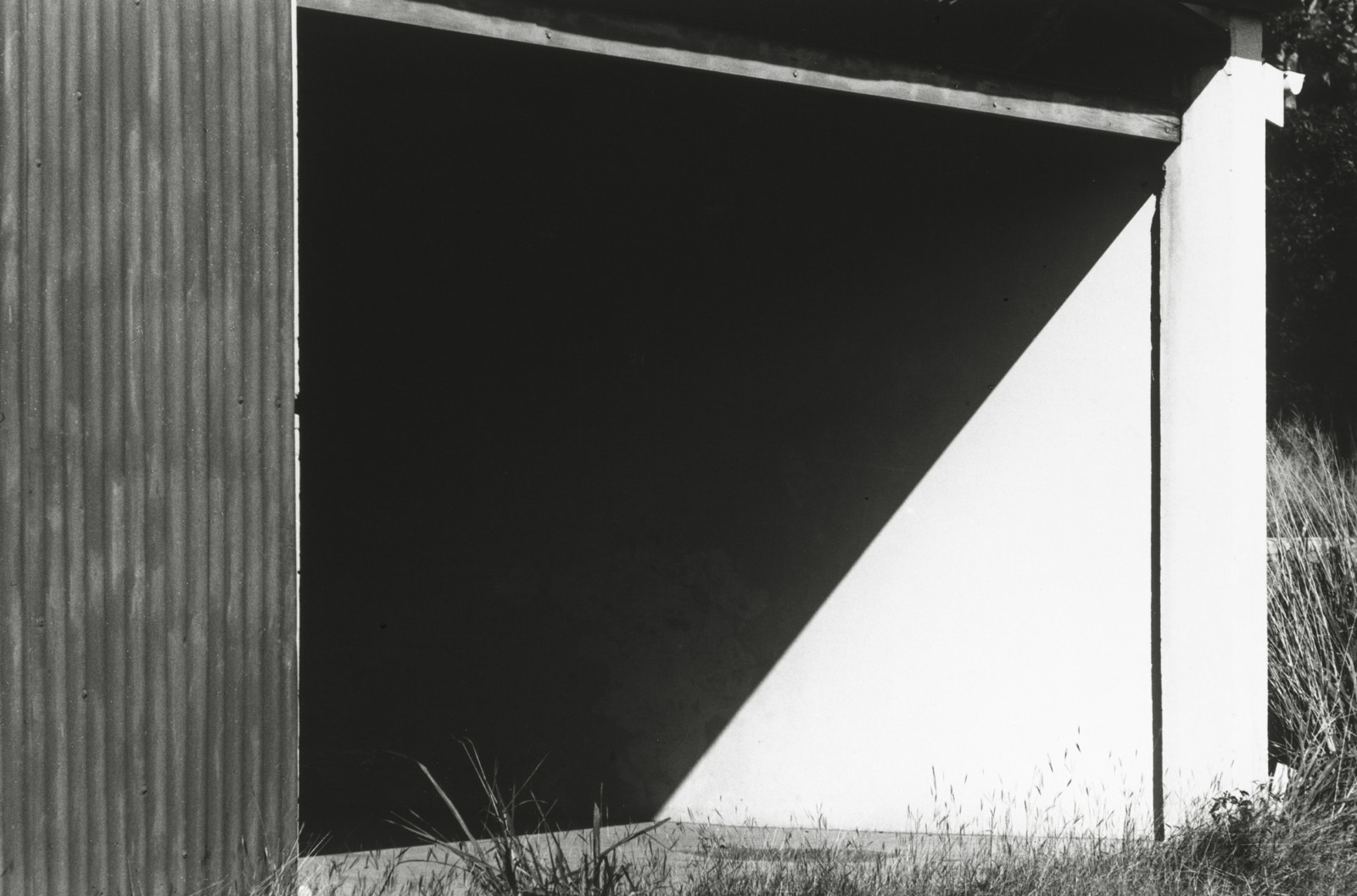
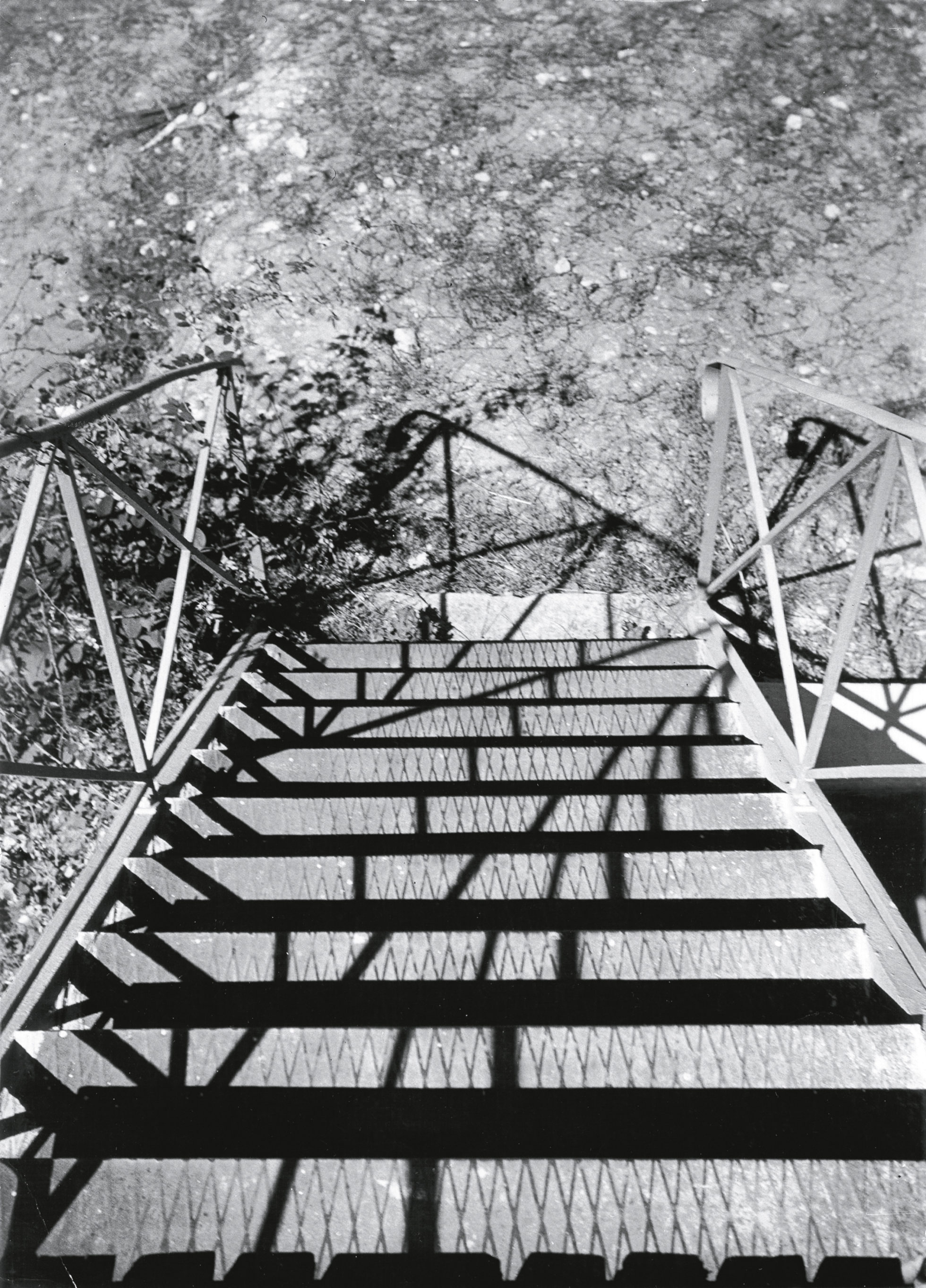
The shadow works do the same thing under different conditions. A shadow falling across a wall in late afternoon gives an angle that exists only as long as the light holds it. On the wall, the relation is contingent. The light moves. The angle shifts. On canvas, the angle no longer changes. The light moves. The painting does not. What was temporary becomes exact.
Kelly called this the already-made. The phrase is exact. It names a relation that exists before the painting and requires only recognition and transfer to become one. What arrives on the canvas is not a constructed form. It is a transferred one.
The work is done in the choosing. A relation is recognized as something that can survive removal from context. It is severed from what surrounds it. Scale is assigned. Color is fixed. The cut is made. By the time the brush is loaded, the painting exists. It has only not yet been painted. What the viewer later calls composition was never composed. It was found, extracted, and preserved.
The painting’s decision does not happen on the canvas. It happens earlier, when a relation in the world is identified as worth removing from it and fixed so it can hold. By the time paint meets canvas, the work is mostly over. The edge is what remains to be drawn. It makes the transfer durable. It stabilizes the extracted relation so it holds as a painting rather than dissolving back into the world it was taken from. The edge is a condition of survival for the decision. It is not the decision.
Hard-edge names the finish. It describes the character of the boundary. It describes how the paintings look when they are complete. It does not describe how they are made. The category takes the final visible attribute of the work and promotes it to method. To call the operation hard-edge is to mistake evidence for cause.
The category’s failure is structural: attribute treated as method. It is not wrong about what it sees. It is wrong about where the work happened. It looks at the finish and reads it as the task. It looks at the result and reads it as the procedure. The painting complies with this misreading because the painting is, in fact, hard-edged. The misreading is not contradicted by the surface. It is only contradicted by the practice.
The edge is not what the work does. It is what remains after the work has been decided. Kelly’s paintings are exact at the boundary because the decision they register was exact before the boundary existed. The category reads the exactness and names the exactness. It cannot name the choice that made the exactness possible. That choice is prior. That choice is the work.
The green still meets the red with the same finality. But the edge no longer reads as the place where the decision was made. It reads as the place where that earlier decision is kept intact. What fails here is not only one category but a larger confusion between attribute and method, between what a work looks like when complete and what it had to do to become one.
Hard-edge names the finish. It does not name the method.
The term “hard-edge” suggests a shared method — a way of making paintings defined by clarity, precision, and separation. But when these works are read closely, the edge does not originate from the same need. In one case it stabilizes colour. In another it holds a diagram. In another it empties the image into its site. What the category groups together is not a method but a visible effect. The edge remains. The reasons for it do not.
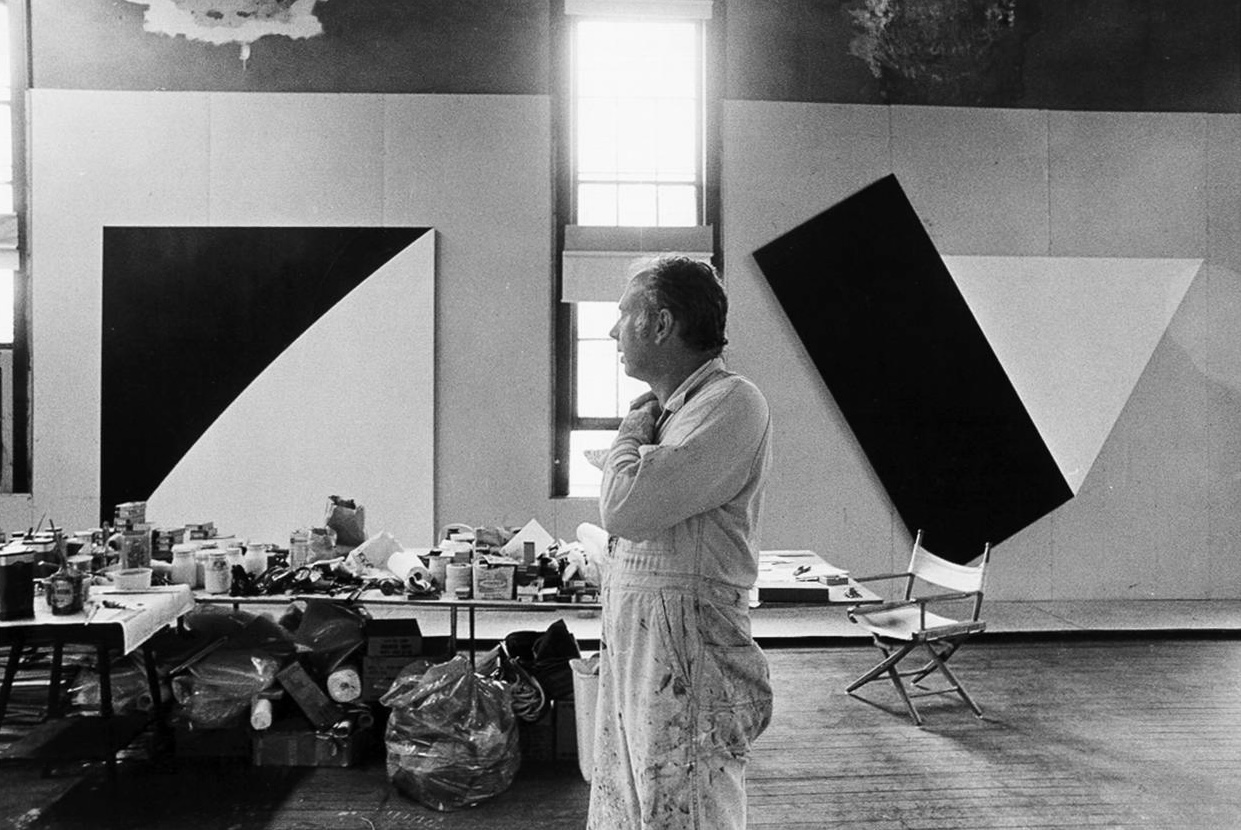





Cover: Ellsworth Kelly in his studio, c. 1970. Photo © Ellsworth Kelly Studio.
All images © their respective rights holders.