


The chairs still know sitting. The cymbals still know sound. The vanity still carries the posture of a body leaning toward a mirror. A surfboard still carries balance before it carries image. Nothing here has been abstracted beyond recognition. The exhibition begins with objects the body already understands. That recognition is generous: one knows what a chair asks, what a cymbal releases, what a mirror returns, what a surfboard requires. These works do not begin as puzzles. They begin as familiar things held close to their ordinary uses, still legible, still named by the actions they once organized.
For a moment, that legibility feels like access. The object seems to offer a way back to the world it came from: sitting, sound, reflection, water, room. Armleder leaves that nearness intact. The objects remain ready, and readiness is where the pressure begins.
In Untitled (FS 156), a wood vanity carries an acrylic canvas where a mirror would be. The object remains immediately readable. Its scale, surface, and posture still call up the body that would approach it. But the mirror site is occupied. Where reflection would return the body to itself, painting holds the place open. The body approaches the vanity expecting return. Painting gives back gesture instead.
The object does not lose its function. It loses the world in which function would complete itself. FS 155 is acrylic on chairs, and the chair is one of the plainest promises an object can make. It waits for a body. Here the chair remains too recognizable to become abstract, but the social scene around sitting is gone: no table, no conversation, no waiting room, no domestic arrangement. The chair waits, and the viewer does not sit. Paint marks the object without returning it to utility. It is not used up, and it is not transformed. It is unmet.
A cymbal carries time before it carries sound. It implies strike, resonance, duration. A guitar implies touch, performance, audience. In Untitled (FS), the cymbals remain on their stands, ready and inactive. Their presence makes the room more silent than absence would. The canvas behind them becomes the place where sound should have gathered. In In the Raw, guitars are held against acrylic on canvas, keeping the body of performance after performance has gone silent. The instrument is still an instrument, but the moment that would make it one has been withheld.
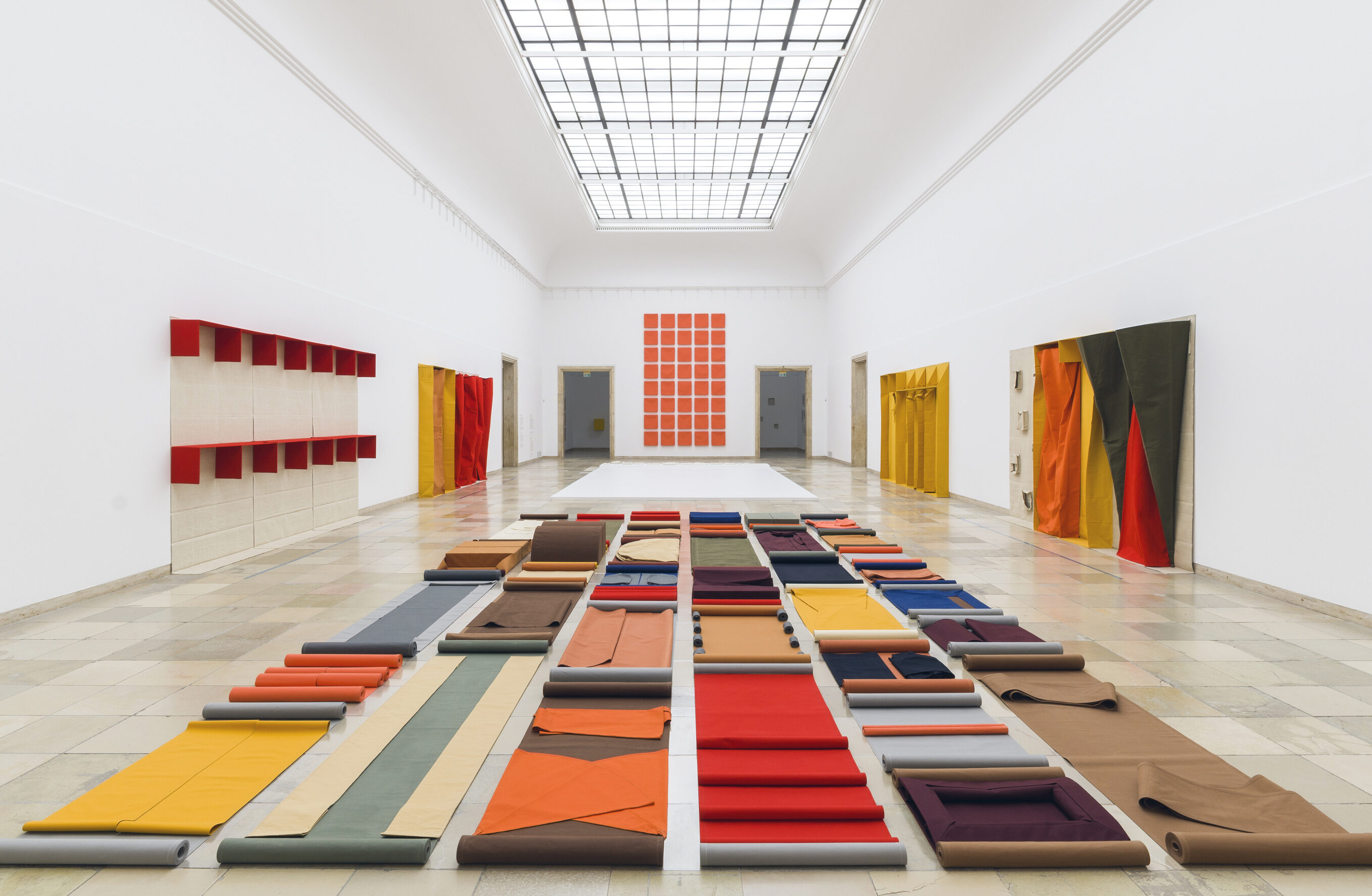
Carpets, chandeliers, and blankets do not only serve use. They organize interiors. They belong to floor, ceiling, bed, room. Furniture Sculpture No.30 keeps the memory of a room after the room has been taken away. Untitled (FS 228) holds chandeliers and blankets together without restoring the interior life either object would ordinarily complete. The carpet no longer grounds walking. The chandelier no longer commands a ceiling. The blanket no longer completes a bed. Here, the missing room is not held by painting alone. It is held by arrangement.
A surfboard brings an outside with it: water, balance, body, wave. Furniture Sculpture #201 with Kent Senator keeps the forms of leisure and motion, but none of the conditions that would activate them. Here the board is fixed against painting, held in the afterlife of movement. The painted field does not become water, but it occupies the place where water would have completed the board. The board remains legible as something that once required a world.
The relation is not mixture, but assignment. The object keeps the form of use; painting takes the position of the situation that would have completed it. In the vanity, it replaces reflection with gesture. Behind the cymbals, it stands where sound would gather. Behind the guitars, it holds the place of performance without letting performance begin. Behind the surfboards, it occupies the position of water or horizon without becoming either. Its authority is not lost, but rerouted: the canvas is present where a room, mirror, stage, or world should be.
The furniture does not become sculpture by losing its use. The painting does not become decorative by giving up its authority. Each enters a suspended arrangement in which use remains readable but cannot complete itself. The object is not transformed beyond recognition. It is preserved too close to recognition.
Satie belongs here lightly. Musique d’ameublement was made to recede into social life, present without demanding attention, absorbed by conversation and exchange. Armleder turns the condition inside out. The furniture remains after the gathering has ended. What was meant to support a social world becomes evidence that the world has passed.
A hotel room is arranged around temporary use: bodies arrive, use the furniture, leave, and the room is reset for another arrival. Furniture exists there before and after the body, waiting for use or holding its trace. The chair is not personal, but it is not neutral. The room is not empty, but it is not complete. Armleder’s objects live in that interval. They are objects kept in the time around use.
The poured surface of Untitled, U17 remains quieter here. Paint runs, pools, and settles; composition loosens from command. It matters as a parallel pressure, but not as a second subject. The stronger condition belongs to the objects: use after its world has gone.
The works’ wit comes from how little they need to change in order to become strange. A chair still carries sitting. A cymbal still carries sound. A vanity still carries reflection. But knowledge is not completion. The object can remember use without returning to it. Painting can hold the place of a world without restoring that world.
Use remains after the world of use has gone.
That is the ripple: not the object in motion, but what motion leaves behind.
John Armleder’s Furniture Sculptures do not erase function. They preserve it after its world has been withdrawn. A chair remains close to sitting, a cymbal to sound, a vanity to reflection, a surfboard to water. But the bodies, players, mirrors, interiors, and social situations that would complete those uses are absent. Painting enters that absence, not as décor, but as the surface that holds the place of the missing situation.
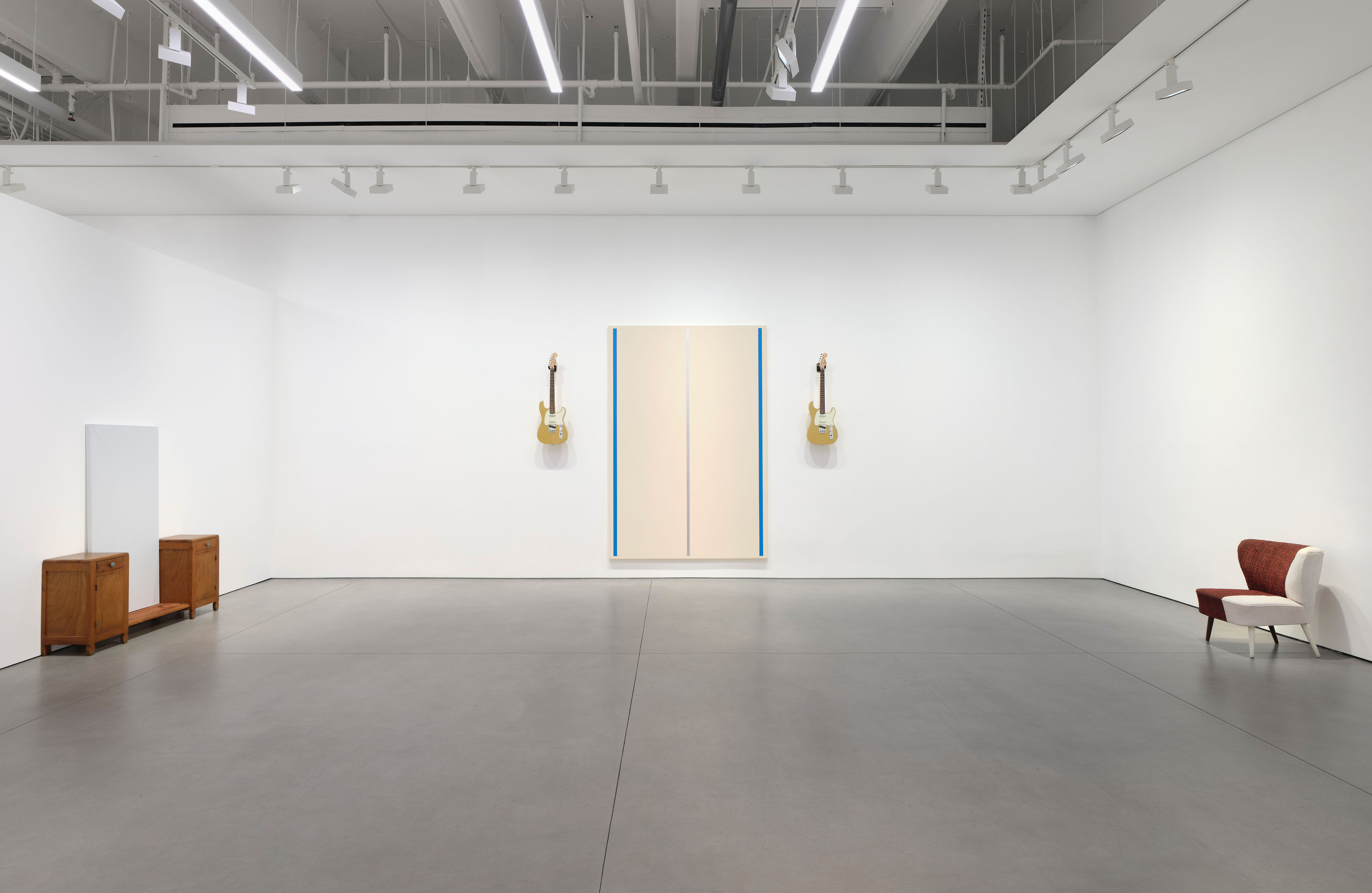


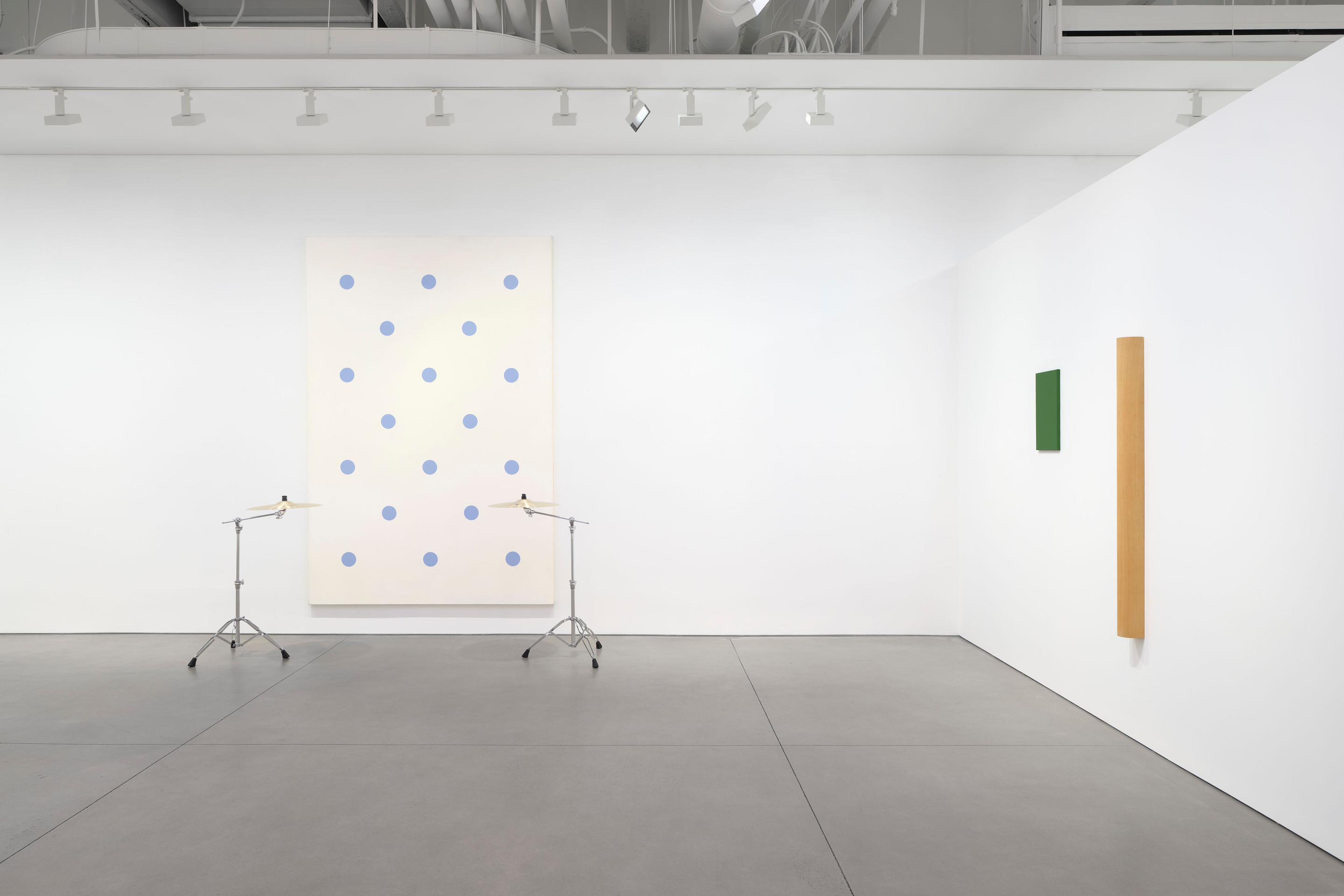

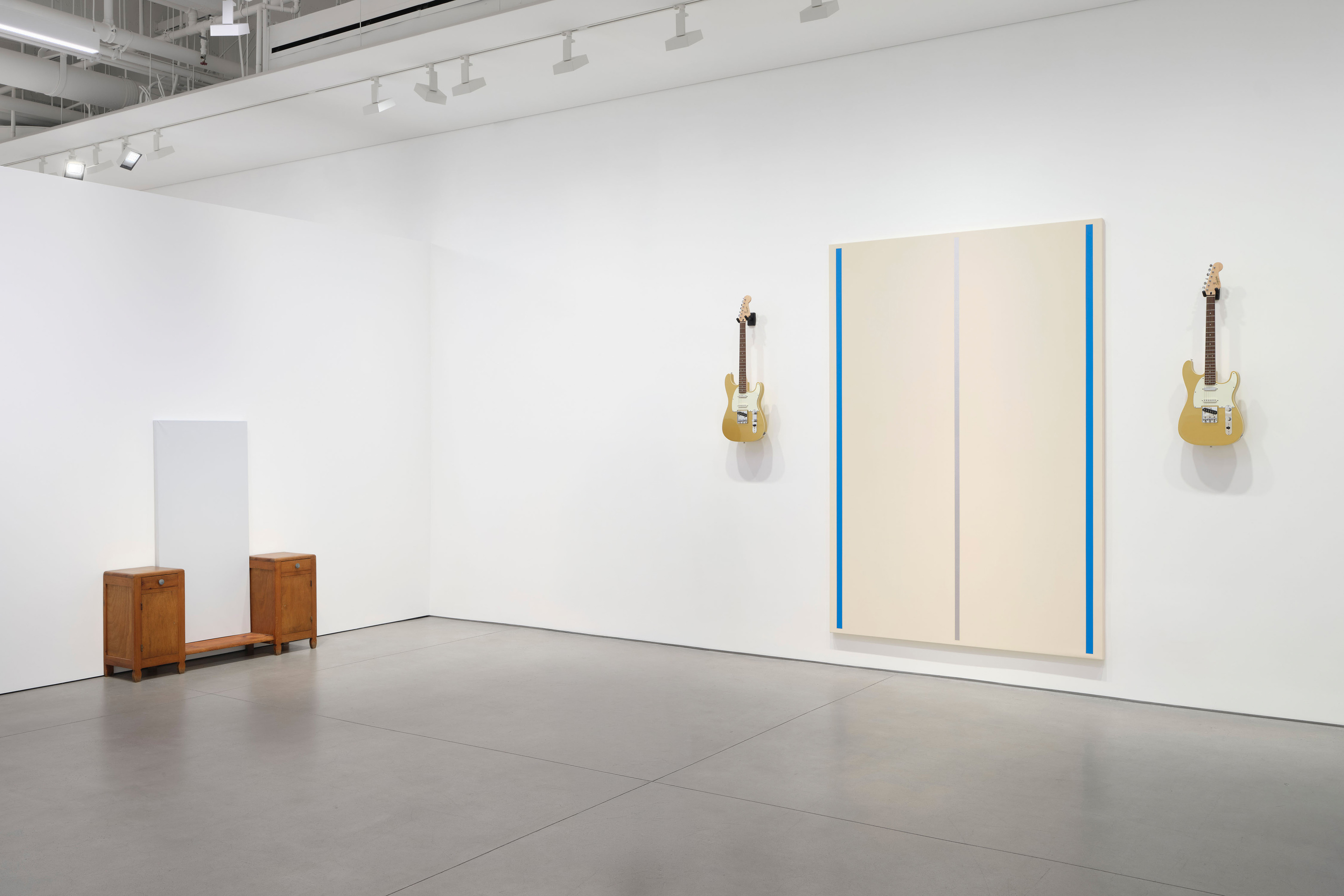


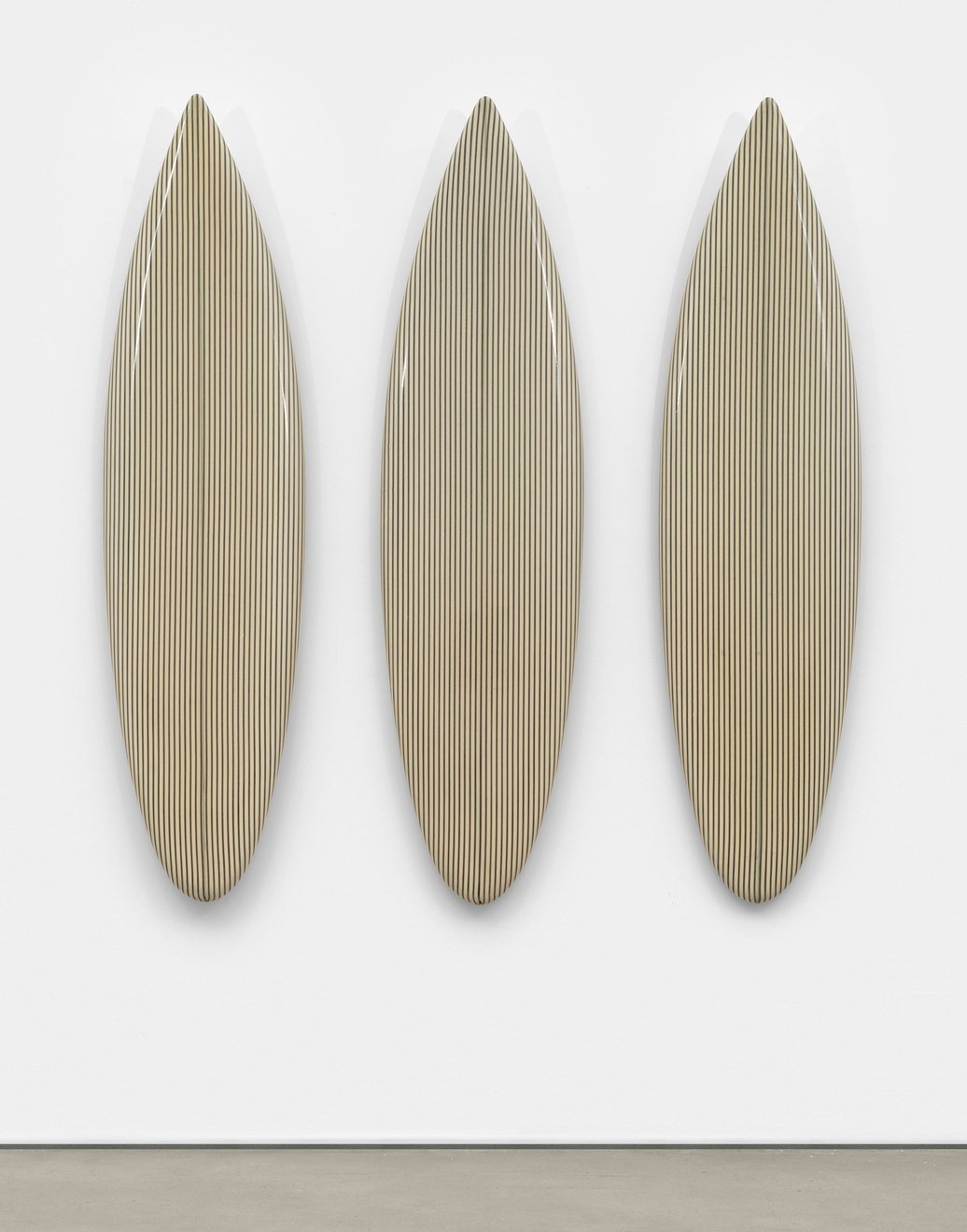

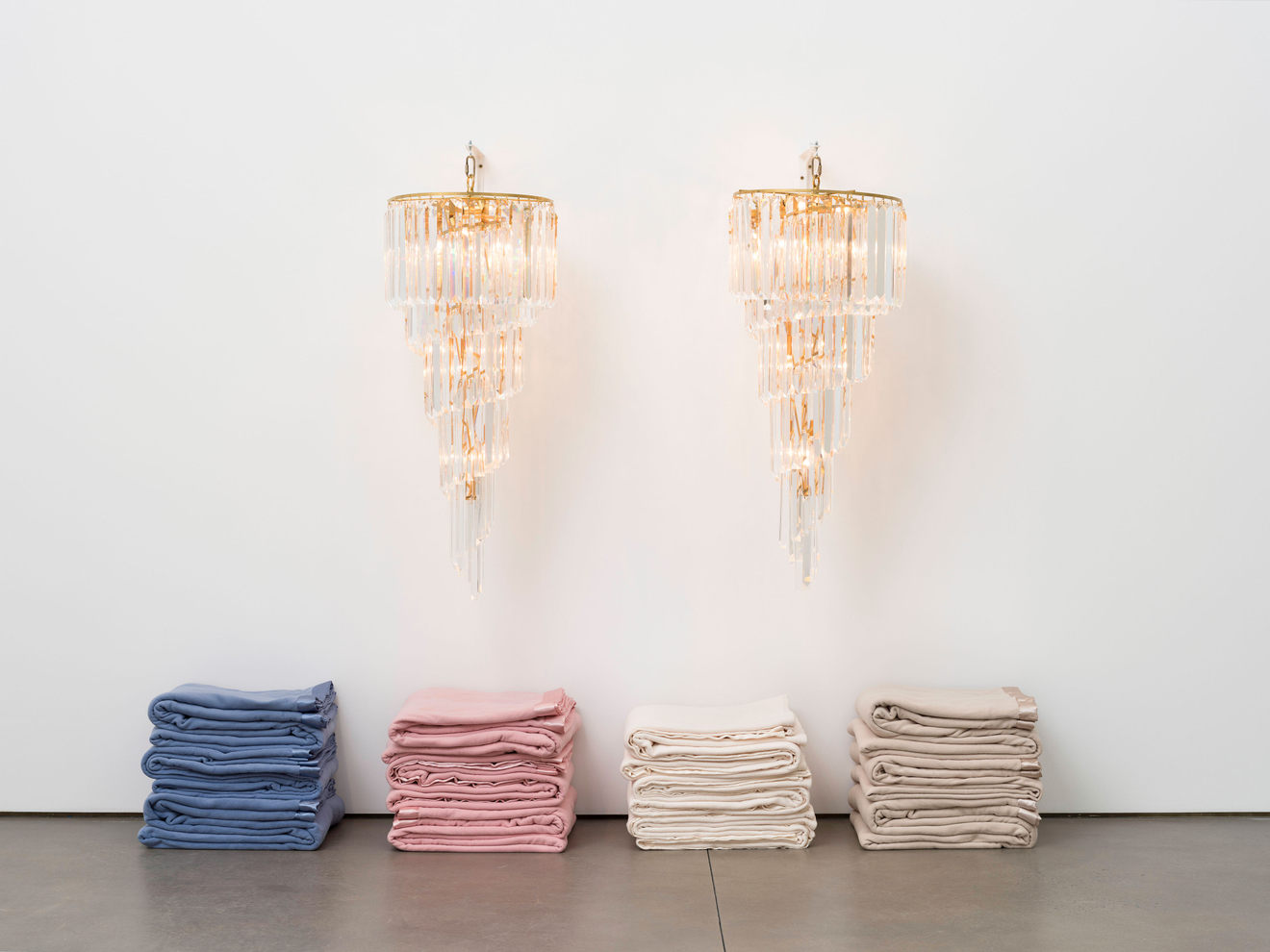
Cover: Installation view, John Armleder: Ripple: Furniture Sculpture and Paintings After 1982, May 7 - June 13, 2026, David Kordansky Gallery, New York. Photo: On White Wall, courtesy of David Kordansky Gallery.
All images © their respective rights holders.
Image rights & attribution →