




Tycjan Knut belongs to a generation that inherited geometric abstraction after its authority had been secured. He works within reduced form and muted color — but does not accept their stability as given.
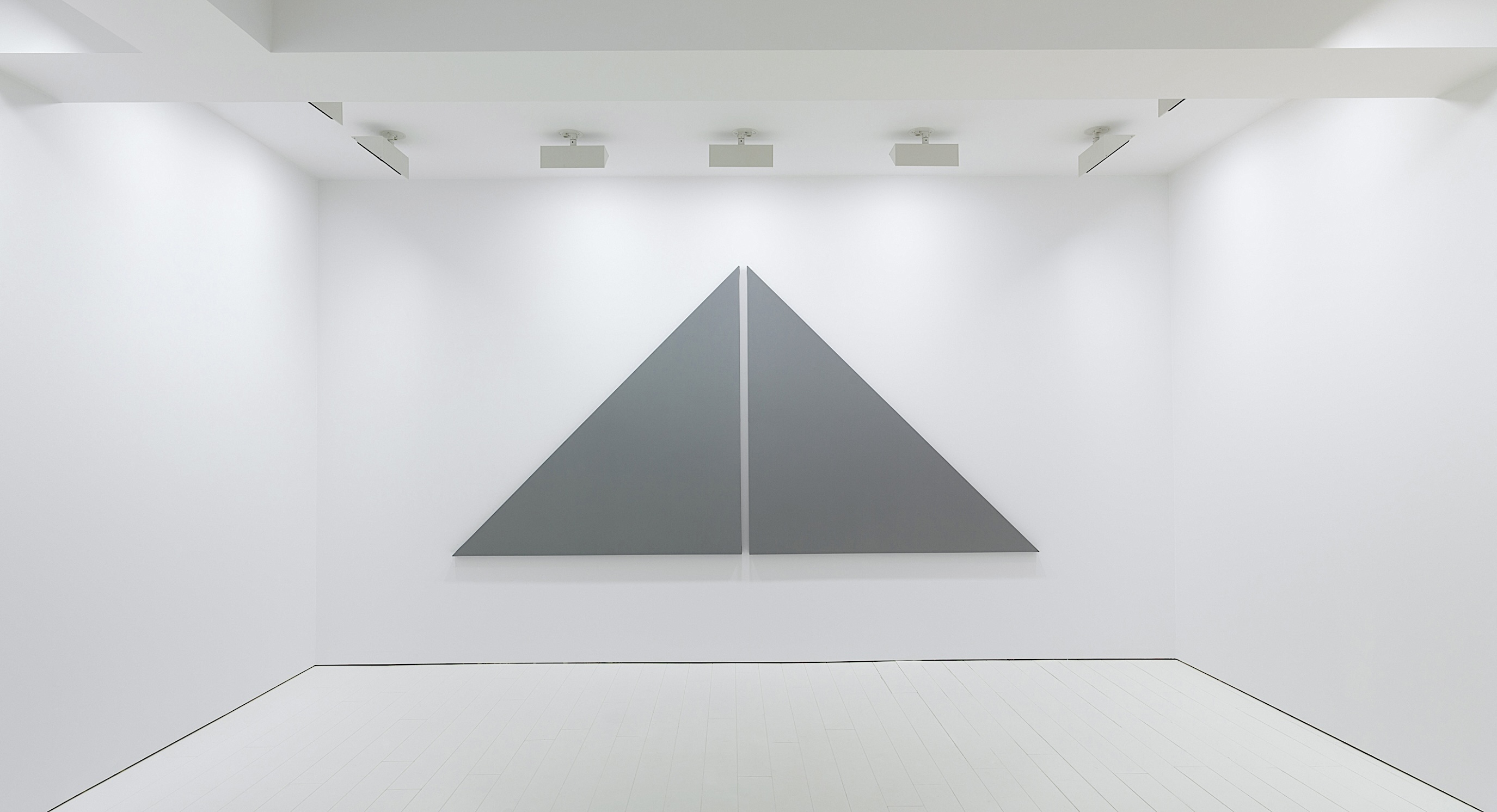
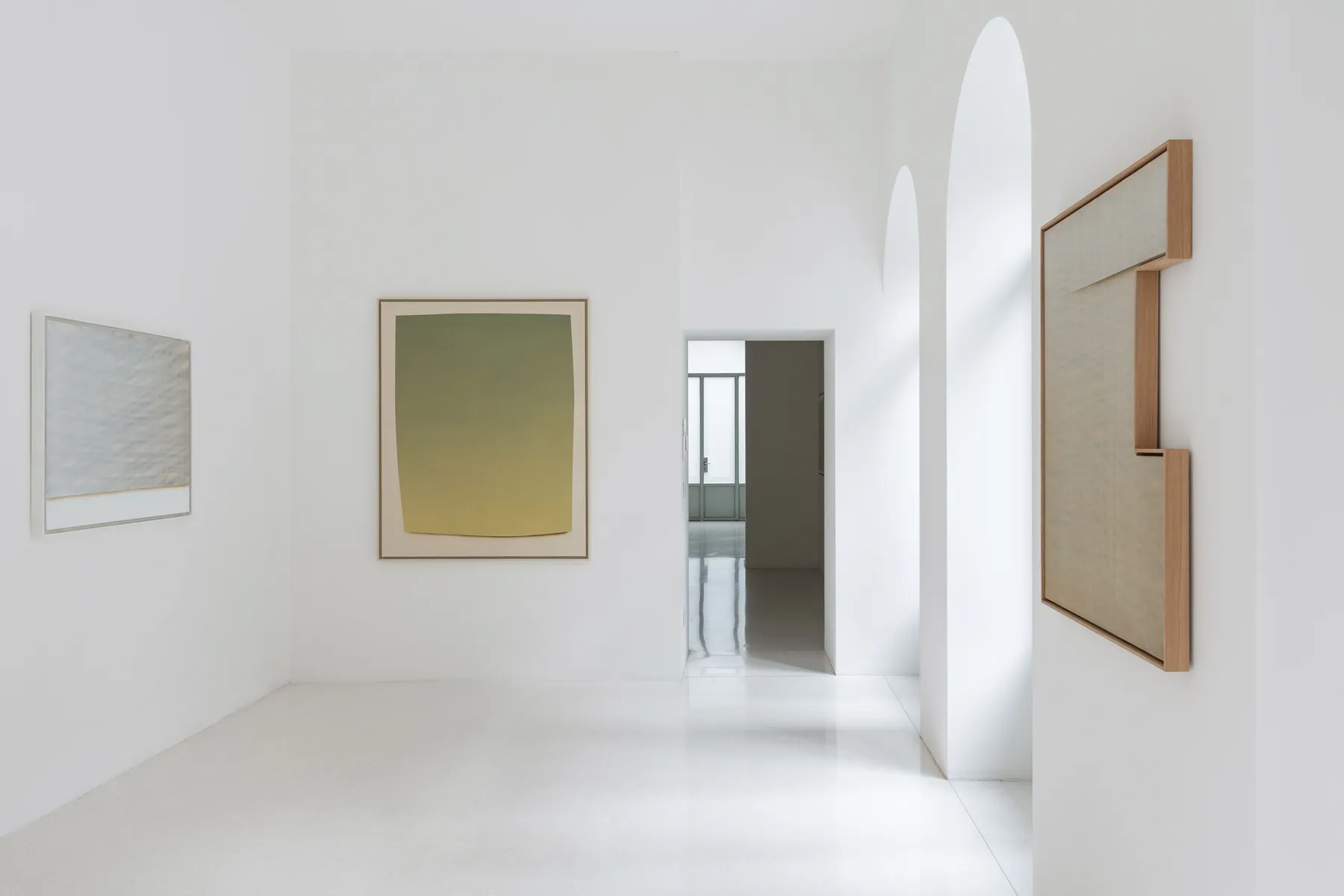
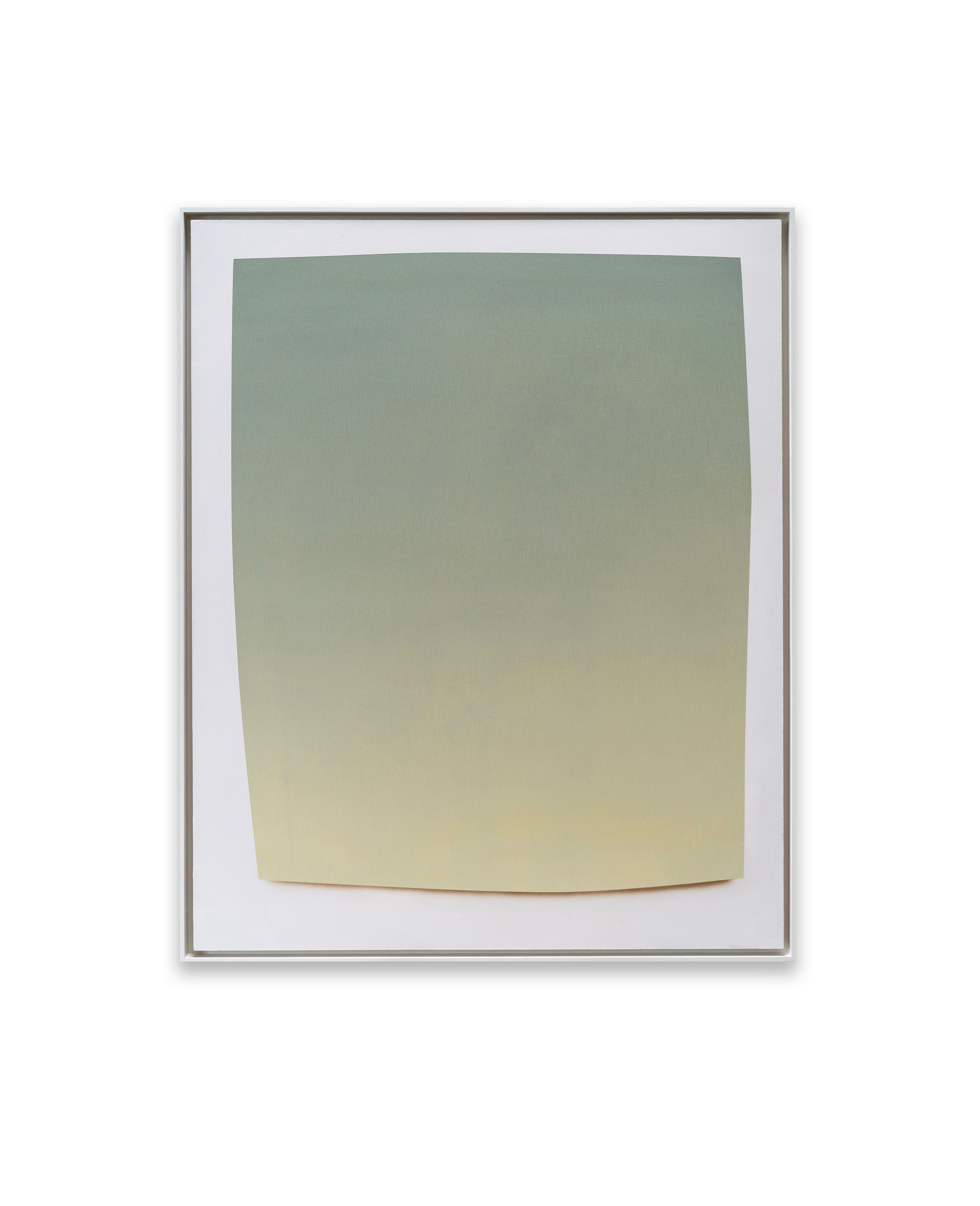
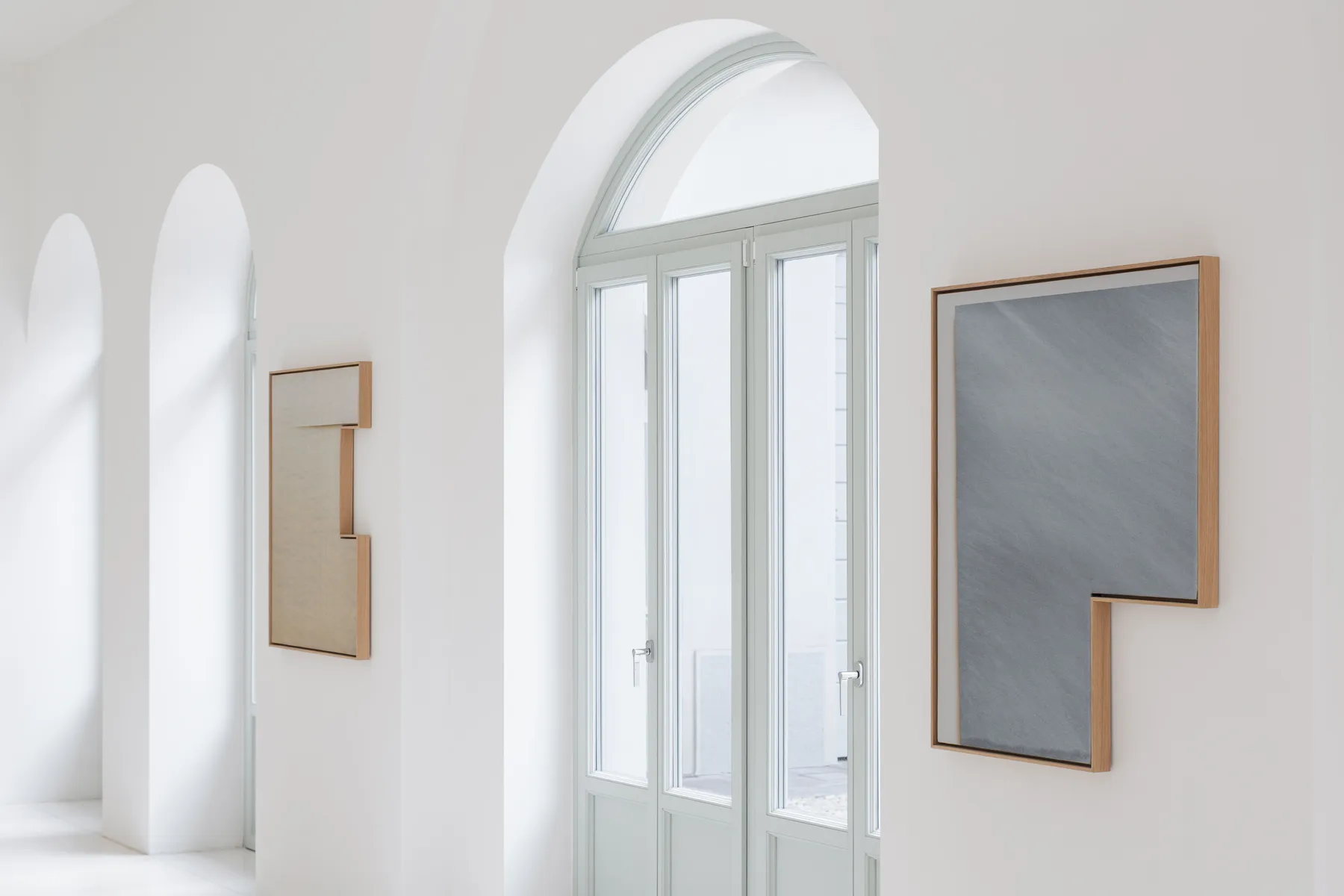
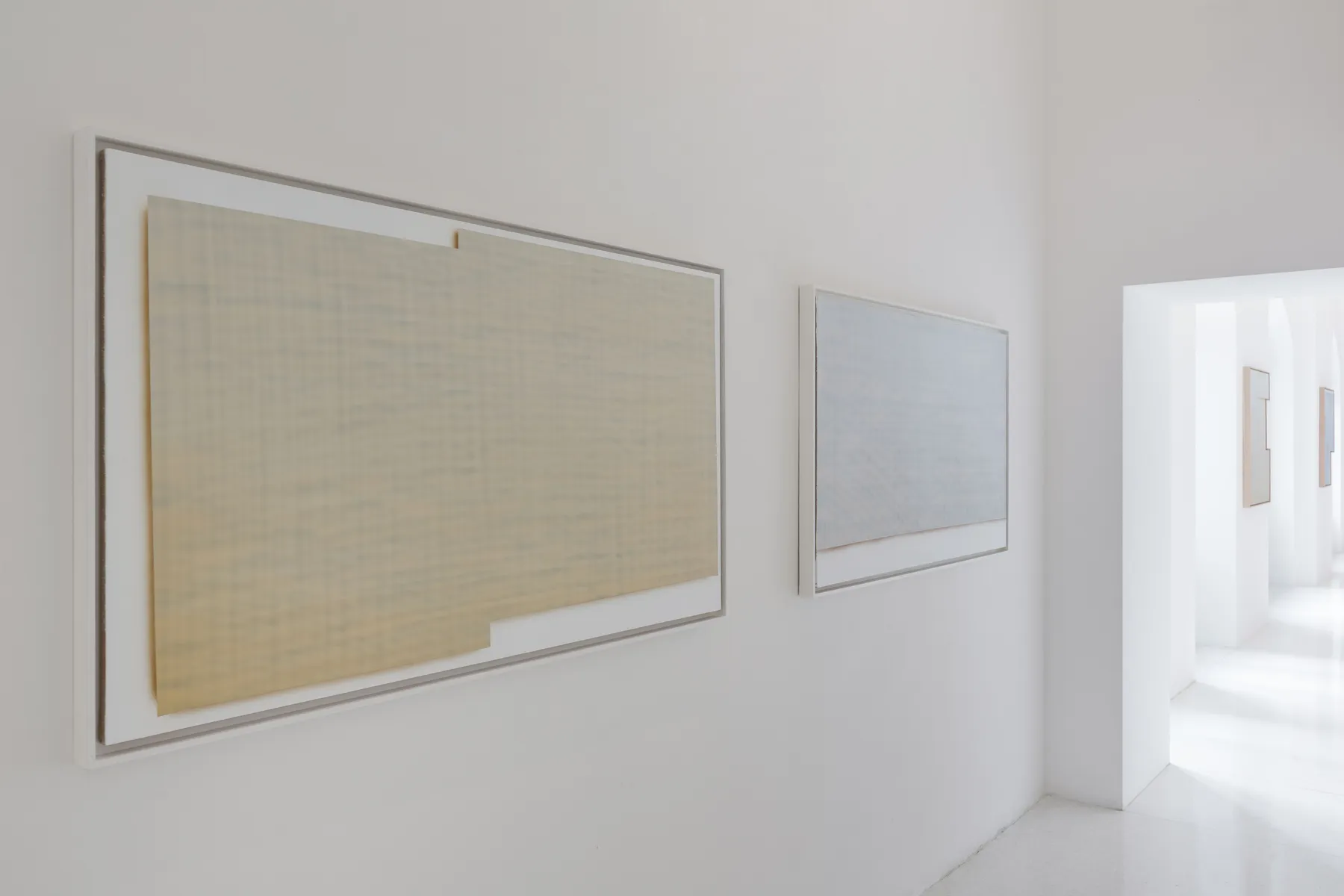
In On Formality, the standard rectangle is altered in measured ways. Corners retract. Edges cut inward. A horizontal void interrupts an otherwise continuous field. The gestures are restrained. Nothing overt occurs. Each adjustment tests how little alteration is required before balance begins to feel conditional.
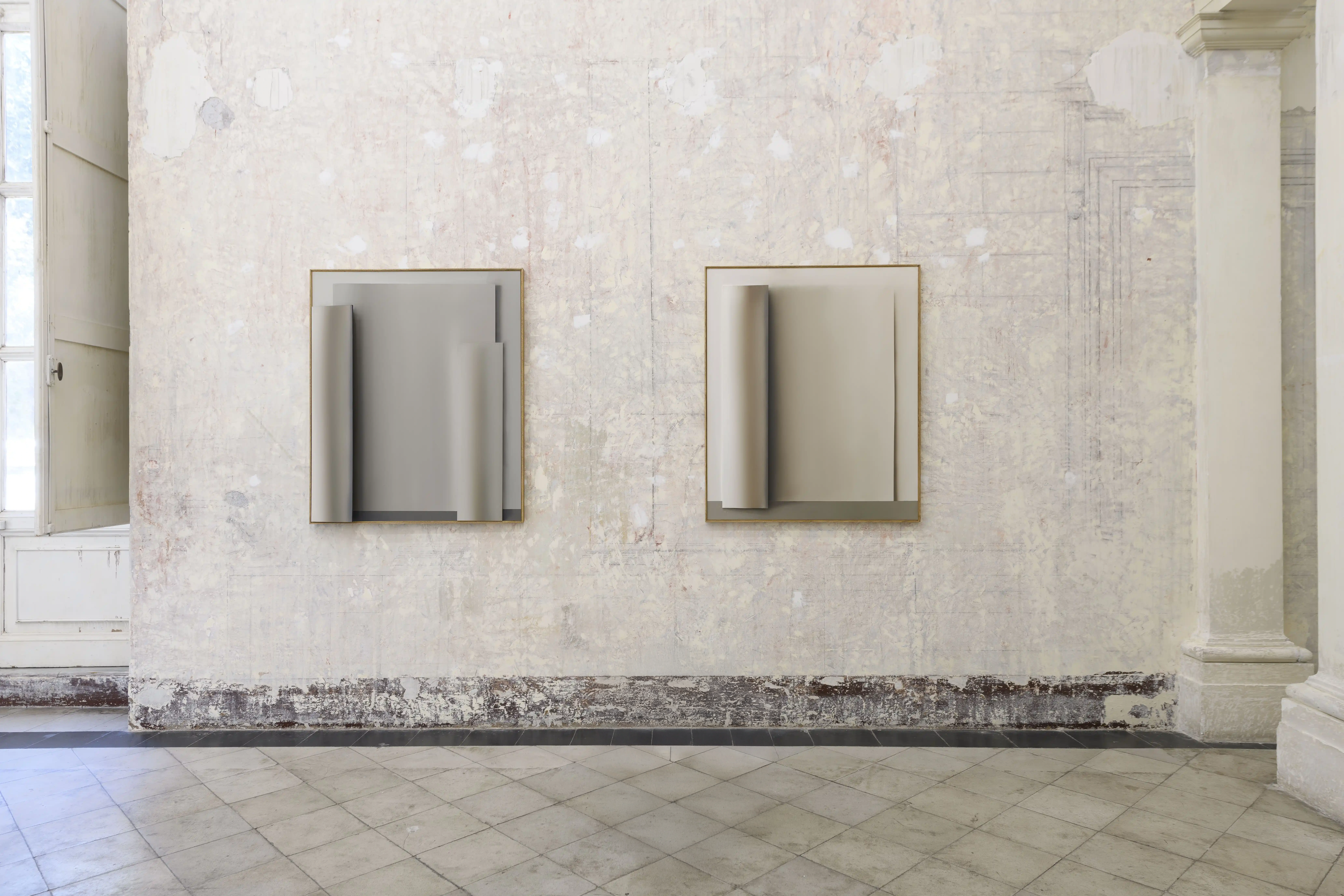
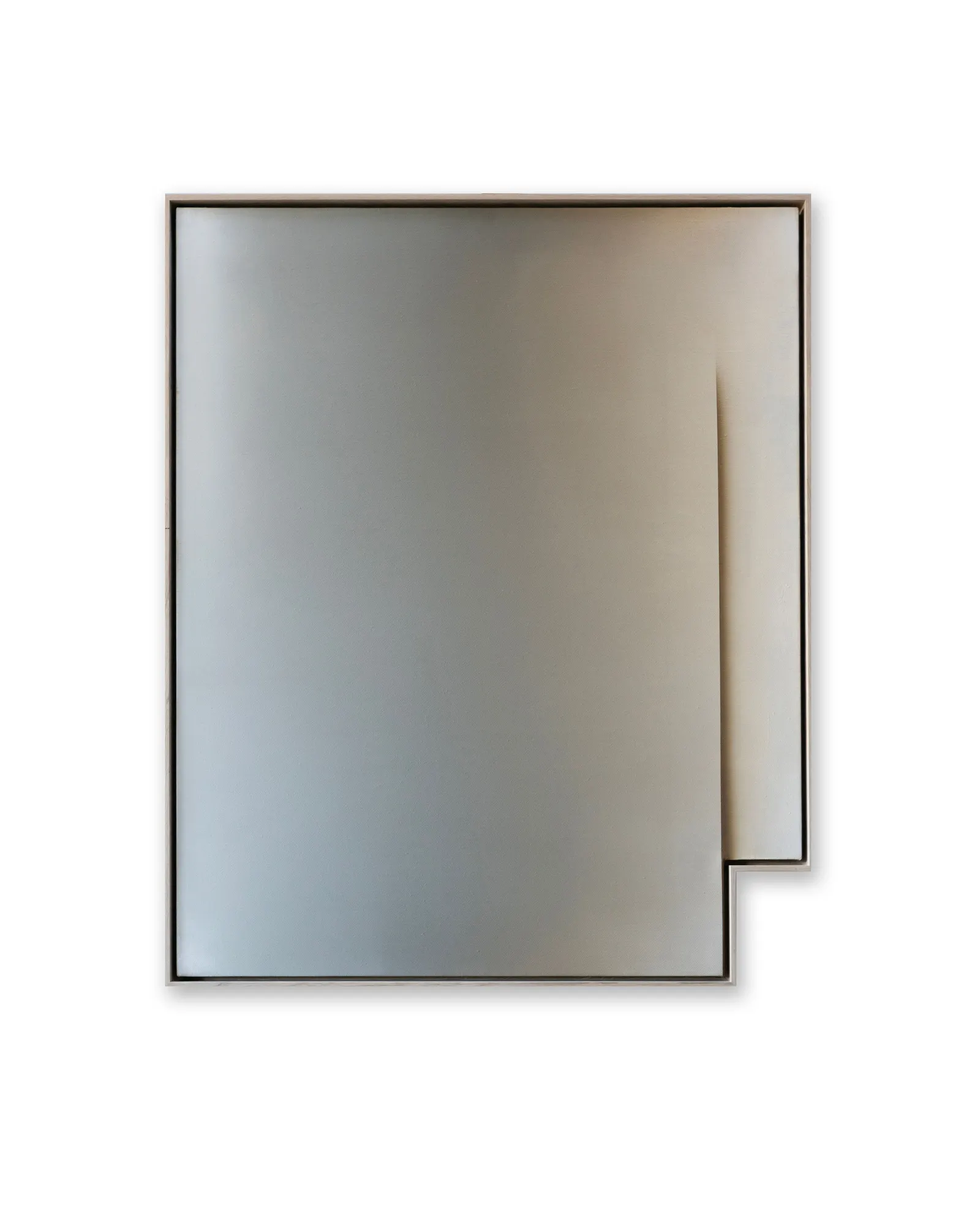
In On Formality 17, 18, and 20 (2025), the support is physically cut or visually recessed. In some works, the incision is literal; in others, the depth is entirely painted. What appears recessed is tonal modulation. The shadow is rendered, not cast. The incision may be real; the depth it implies is not.
From a distance, the paintings appear cool and resolved. Up close, that resolution thins. The metallic sheen softens into canvas weave; apparent precision dissolves into atmosphere. What first reads as structural certainty begins to feel less assured.
This instability is intentional. Though the works may appear minimal, Knut’s process is not reductive. Intuition initiates the field; constraint refines and contains it. The calm that emerges is the residue of sustained negotiation. What reads as seamless clarity is the trace of adjustment.
Minimalist painting once equated clarity with truth. The cut was literal. Illusion was to be avoided. In Knut’s work, that equation loosens. The incision may be physical, but the depth it suggests is often painted. What appears constructed can soften under scrutiny. The structure holds — but its authority no longer feels absolute.
Today, clean geometry structures everything from interfaces to branding — surfaces designed to appear seamless and resolved. Knut’s paintings resemble that seamlessness at a glance. Up close, it falters. Stability gives way to attention.
The paintings do not return to illusion as spectacle. They register it as hesitation. Rather than dismantling geometric order, Knut allows it to yield under sustained attention. The form holds — but its authority becomes provisional.
Geometric abstraction once pursued material fact with almost moral clarity. Depth was to be constructed, not suggested. The shaped canvas asserted objecthood. The cut insisted on presence. Knut works within that inheritance but loosens its certainty.
In On Formality, the support may be altered physically, yet the depth often remains pictorial. The incision is real; the shadow is constructed. What appears industrial dissolves into atmosphere at close range. The paintings do not return to illusion theatrically. They introduce it quietly — as doubt. Rather than dismantling geometric order, Knut allows it to soften under scrutiny. The form holds, but its authority no longer feels absolute.

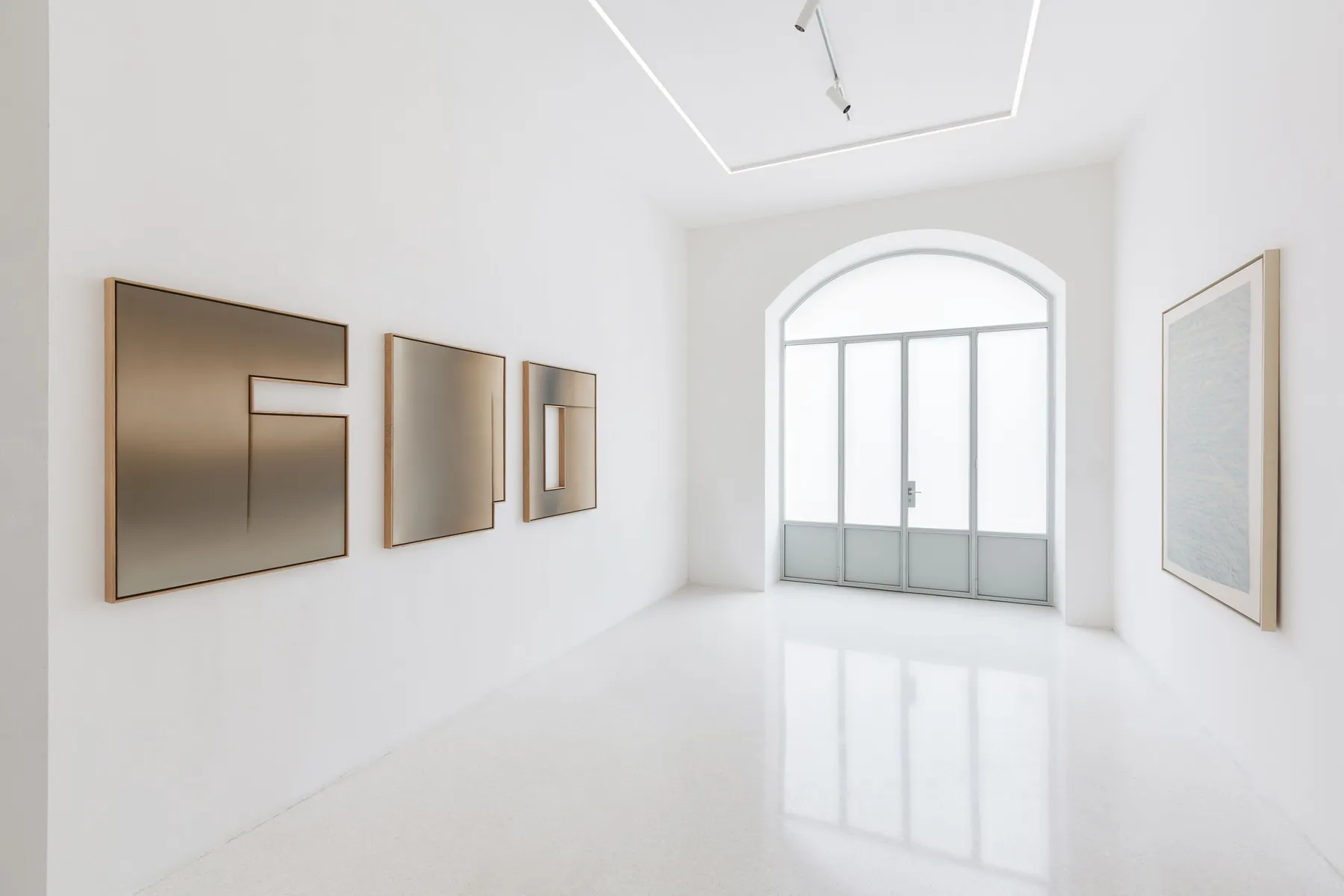




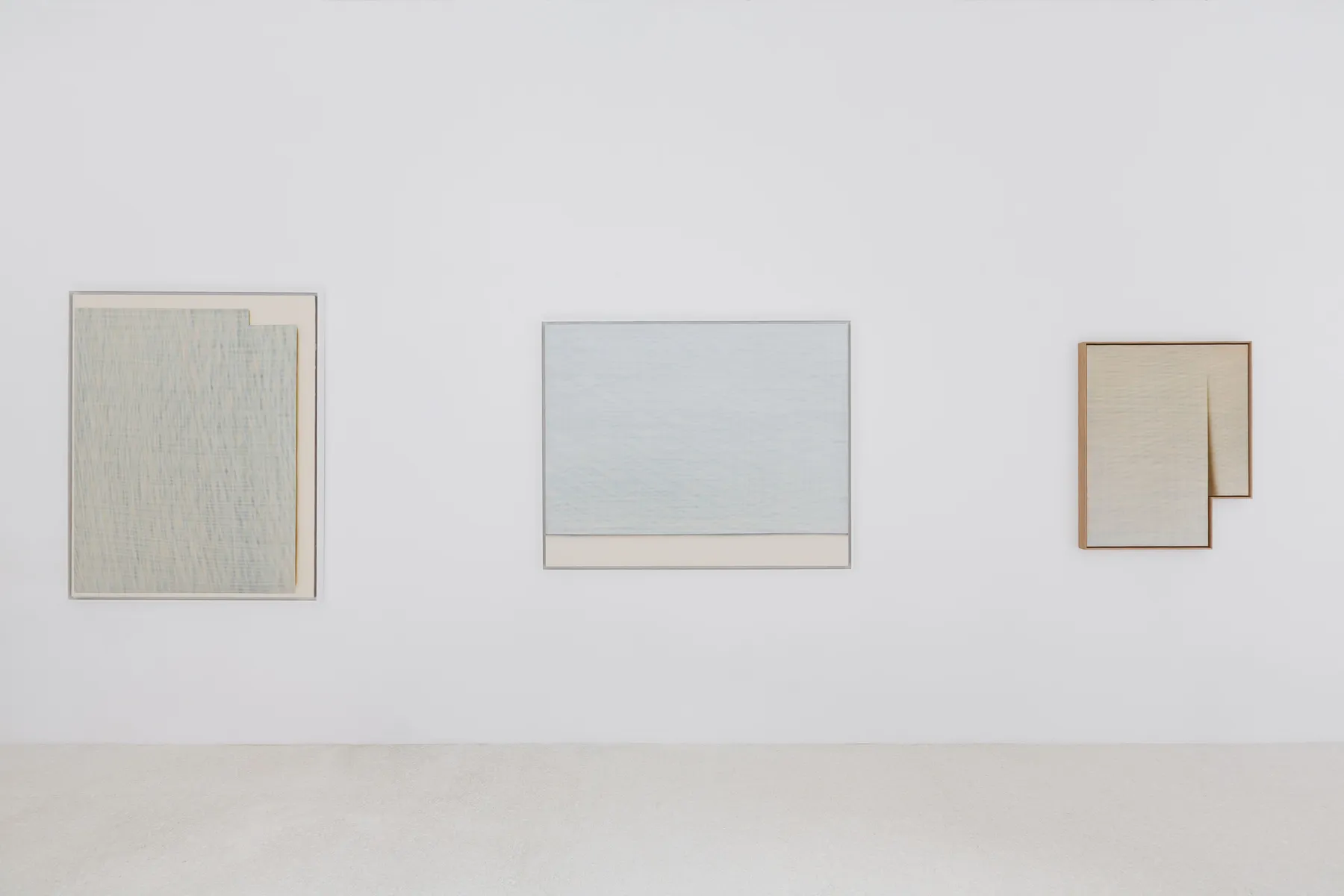

1. Installation view: Tycjan Knut, On Formality, Cadogan Gallery, Milan, 12 February–7 March 2026. Artwork © Tycjan Knut. Photo © Pietra Studio. Courtesy Cadogan Gallery.
2. Tycjan Knut, On Formality 9, 2025. Acrylic on canvas, 150 × 120 cm. © Tycjan Knut. Courtesy Cadogan Gallery.
3. Tycjan Knut, On Formality 17, 2025. Acrylic on canvas, 100 × 80 cm. © Tycjan Knut. Courtesy Cadogan Gallery.
4. Installation view: Tycjan Knut, On Formality, Cadogan Gallery, Milan, 12 February–7 March 2026. Artwork © Tycjan Knut. Photo © Pietra Studio. Courtesy Cadogan Gallery.
5. Tycjan Knut, On Formality 20, 2025. Acrylic on canvas, 100 × 80 cm. © Tycjan Knut. Courtesy Cadogan Gallery.
6. Installation view: Tycjan Knut, On Formality, Cadogan Gallery, Milan, 12 February–7 March 2026. Artwork © Tycjan Knut. Photo © Pietra Studio. Courtesy Cadogan Gallery.
7. Tycjan Knut, On Formality 18, 2025. Acrylic on canvas, 100 × 80 cm. © Tycjan Knut. Courtesy Cadogan Gallery.
8. Tycjan Knut, On Formality 11, 2025. Acrylic on canvas, 120 × 100 cm. © Tycjan Knut. Courtesy Cadogan Gallery.
9. Installation view: Tycjan Knut, On Formality, Cadogan Gallery, Milan, 12 February–7 March 2026. Artwork © Tycjan Knut. Photo © Pietra Studio. Courtesy Cadogan Gallery.
10. Tycjan Knut, On Formality 22, 2025. Acrylic on canvas, 100 × 80 cm. © Tycjan Knut. Courtesy Cadogan Gallery.
11. Tycjan Knut, On Formality 1, 2025. Acrylic on canvas, 150 × 120 cm. © Tycjan Knut. Courtesy Cadogan Gallery.
Cover: Installation view: Tycjan Knut, On Formality, Cadogan Gallery, Milan, 12 February–7 March 2026. Artwork © Tycjan Knut. Photo © Pietra Studio. Courtesy Cadogan Gallery.
All images © their respective rights holders.
Image rights & attribution →