

There is a way of dressing that presents itself as thought already completed. The pieces are chosen, the proportions resolved, the wardrobe reduced to a set of garments that feel correct without adjustment. Nothing announces itself. Nothing asks to be explained. The clothes do not perform taste so much as confirm it. They seem to belong to a person who has already decided what matters and what does not, and who no longer needs to negotiate with fashion to arrive there.
The woman wearing Khaite is not trying. That is the first thing you are meant to understand. She did not dress to be looked at. She dressed because she has a point of view, because she knows what she wants, because she is, in the word that keeps appearing, intellectual.
For a moment, the word seems to belong to the clothes. The restraint, the proportion, the controlled exposure, the refusal of prettiness — all of it appears to confirm the reading. The garment seems to carry thought because the woman imagined inside it already does.
A garment earns seriousness structurally by demonstrating a recurring formal problem addressed across seasons and categories: construction decisions with traceable body consequences, not just proportional preference; a body logic that produces a specific relation between garment and body, and that survives changes in surface, mood, and reference. Some garments produce a reading. Others require one. A garment that produces its reading can be described at the level of construction, with consequences that persist independent of who is wearing it. A garment that requires a reading depends on context, posture, and self-image to make its meaning legible.
In the work of Phoebe Philo, the relation between garment and body is constructed in advance. Coats are built with a rigidity borrowed from tailoring, shoulders cut for bodies larger than the ones wearing them and then cinched back in, sleeves extended, belts fixing the garment at one point so that the rest of the form can release from it. The body does not supply the structure. It enters one already established.
Lemaire works through a different argument, but no less structural. The garment is completed in wearing. Twisted seams, calibrated volume, cloth held at a precise distance from the body: the event is not a finished image but the form that occurs when a body passes through it. The garment does not describe the body. It waits for one.
These are opposing structural propositions. In Philo, form is built before the body enters; the body learns its position inside an authority already established. In Lemaire, form occurs after the body enters; the garment waits for movement, adjustment, and use to complete it. One is anticipatory. The other is event-based. Both produce seriousness at the level of garment-body relation.
Khaite is the clearest place to test the category because the reading is so legible. The language field is rich. The wearer is specific. The garments have enough quality, enough control, enough real design intelligence to make the misreading plausible. The brand describes itself as a way of looking at the world that finds confidence in contrast. Its designer has said Khaite is not just a clothing brand, but a feeling. Coverage reaches for strong, robust, point of view, feminine but not pretty, emotional intellectualism, dressing for yourself, New York intelligence. These terms do not describe a recurring structural mechanism. They describe the woman the clothes allow the wearer to imagine herself becoming.
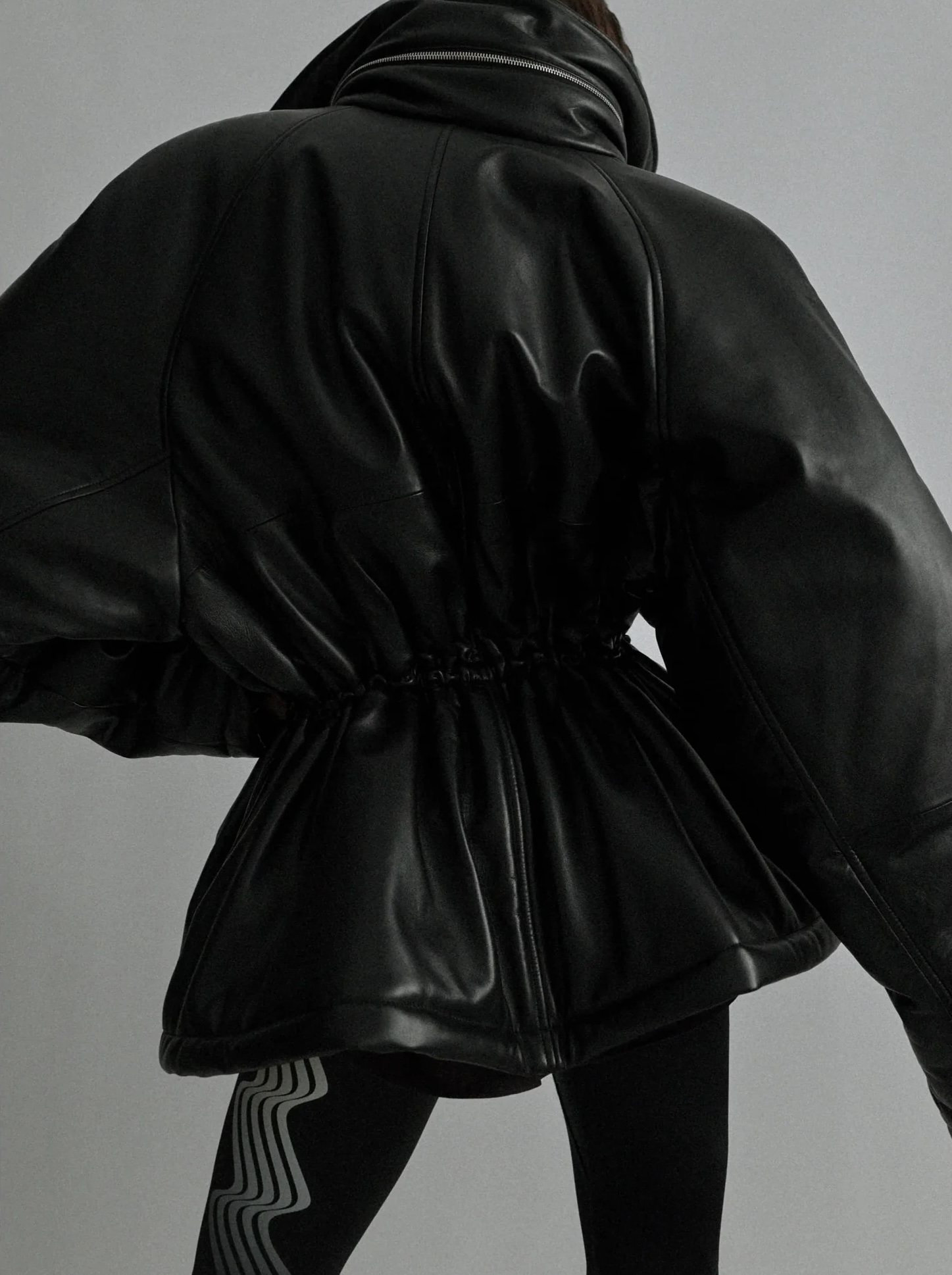
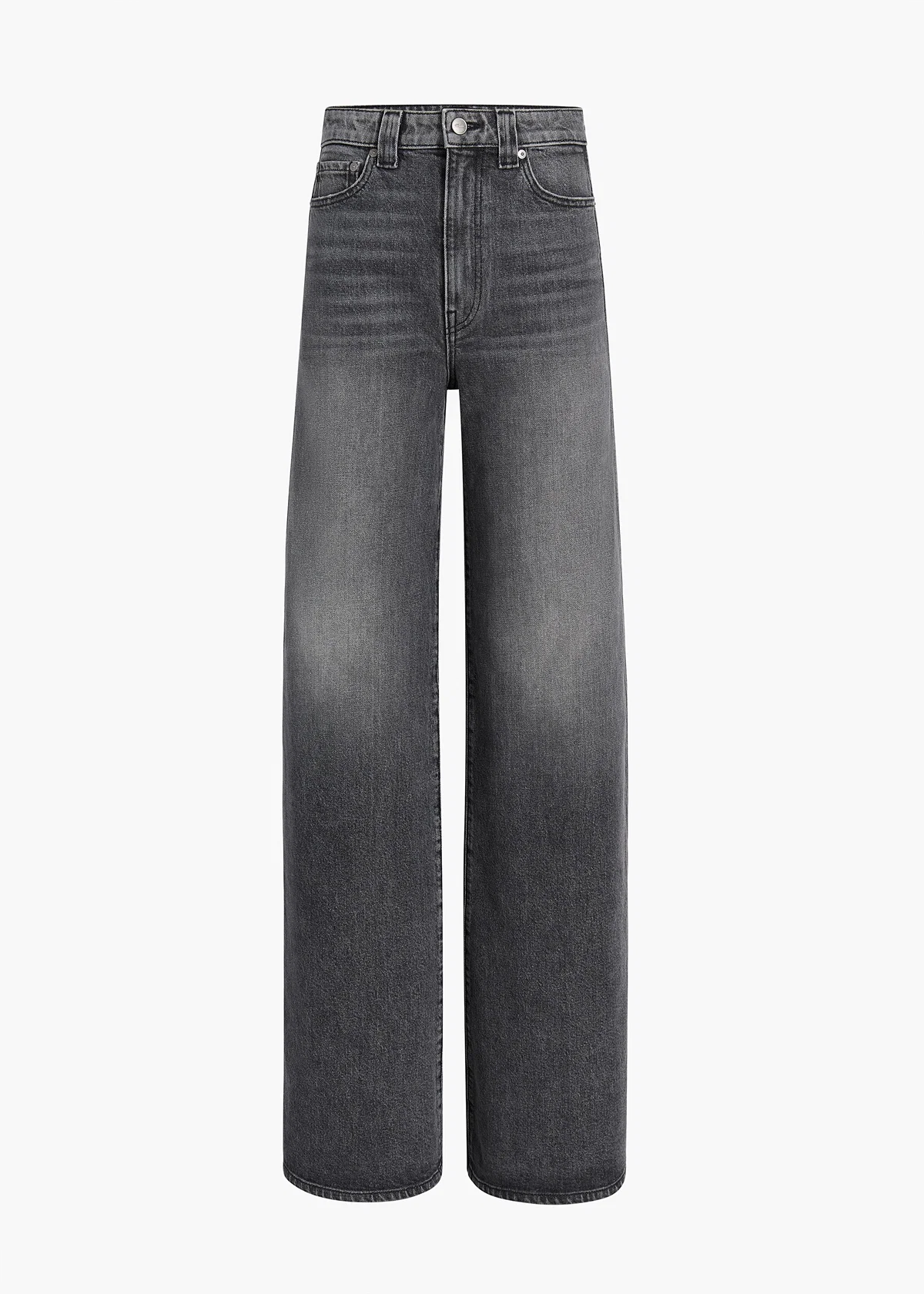
Catherine Holstein’s own account of the work is unusually direct about what is actually being designed. She returns to the jean, the leather jacket, the boot, adjusting proportion season after season until they feel right. This is a serious practice. But proportion produces recognizable objects. A structural argument produces a theory of the body. The two are not the same.
There is real coherence in Khaite. The atmosphere around the object — the casting, the styling, the repeated return to leather, denim, knit, and night — produces a unified world. A bra, a jean, a boot, and a coat feel as though they belong to one woman before they belong to one structural system.
The clearest test is a dress whose design appears, at first, to do exactly the structural work the category implies. The Siel Dress is visibly constructed: an inflated silk gazar bodice gathered at a drawstring neckline, contrasted against an abbreviated black skirt, its volume patterned in oversized white dots. The formal decision is real. The material is specified. The scale is calibrated. But the decision resolves at the level of the image. Gazar holds its shape away from the body; it does not collapse into the figure beneath it. The dots scatter across the swollen surface, turning volume into graphic event. Under camera light, the body is stilled so the silhouette can arrive complete: contrast, scale, surface, attitude. In motion, the body enters, but the dress does not meaningfully negotiate with that entry. The garment makes the image possible. The image performs the intelligence the garment is credited with possessing.
A second object makes the distinction from another direction.
The cashmere bra worn with an open cardigan appeared to resolve a contradiction the culture had been circling for some time. It held together intimacy and composure, exposure and control. Cashmere against skin changes the event. Softer than elastic, warmer than lingerie, it lets exposure feel considered rather than provocative. The cardigan supplies the frame. The window supplies the proof. A body catches itself reflected and the transgression does not feel like transgression. It feels authorized.
That is why it spread so quickly. The object itself is simpler than the reading attached to it: a soft bra, rendered in cashmere, worn visibly beneath a loosely fastened knit. Its construction is conventional. What changes is not the garment logic, but the context of permission around it. An undergarment is moved into view, and the material lends it legitimacy. The tension it appears to resolve is not solved formally. It is staged.
Once those distinctions appear, the rest of the language shifts with them. What had been called intellectual begins leaning on nearby stabilizers: minimalism, quiet luxury, timelessness, wardrobe dressing, sensual minimalism, archival fluency. None of these are clarifications. They are ways of preserving the prestige of the reading after structural proof has failed to appear.
Minimalism claims formal character without naming the decisions that produce it. Quiet luxury names a social signal and a price logic. Timelessness names what a garment would have to achieve to outlast its moment without specifying how. Sensual minimalism performs the most evasive work of all: it claims rigor and excuses itself from rigor at the same time, letting sensual account for every departure the structure cannot justify.
The sequence matters. Each term arrives where the previous one begins to wear out. Minimalism offers discipline until the sensuality exceeds it. Quiet luxury offers social legibility until the claim needs more intelligence than price can supply. Sensual minimalism repairs the breach by letting softness and rigor coexist without asking where either is constructed. The chain is the operation. Each substitution preserves the prestige effect while loosening the structural requirement.
Citation does similar work. A reference to Halston, Saint Laurent, or Calvin Klein can make the garment feel historically fluent, but fluency is not construction. Knowing what came before does not, by itself, produce a body logic in the present. Wardrobe dressing relocates the claim again, this time from the garment to the act of assembly. The intelligence is said to lie in the edit, the combination, the woman who knows how to put the pieces together. But curation is not structural proof either. It can make a wardrobe persuasive without making any single garment necessary.
Notice where the word does not land. It does not gather around the work making the strongest formal arguments. It appears instead where structural seriousness is being inferred from tone, proportion, reference, and self-image rather than demonstrated in the garment itself. The word has to remain structurally unverifiable to do the work it does. If the seriousness could be located directly in the garment, the category would lose its function. A garment that proves its own seriousness does not need to be called intellectual. The word is needed where the proof is weakest.
That effect is powerful because the desire behind it is real. To want clothing that does not feel disposable, that does not rely on novelty to hold attention, that aligns with a sense of self rather than chasing it — these are real demands. But intellectual fashion offers something more specific than alignment. It offers relief: the possibility of being taken seriously without having to perform seriousness, of entering fashion without appearing captured by fashion, of letting the garment do the work of argument while the wearer remains composed, selective, already convinced.
The category does not ask whether the garment can think. It asks whether the wearer can be read as someone who has already thought. Khaite looks serious. The question is whether that seriousness can still be found in the garment once the woman imagined around it is removed.
That is where the category fails.
Some garments can be described without reference to who is wearing them. Their structure produces a specific relation to the body that persists across contexts.
Others depend on the wearer to complete their meaning. The language around them — intellectual, serious, considered — does not arise from the garment itself, but from the identity it allows the wearer to assume.
The distinction is not about quality. It is about where meaning is located.
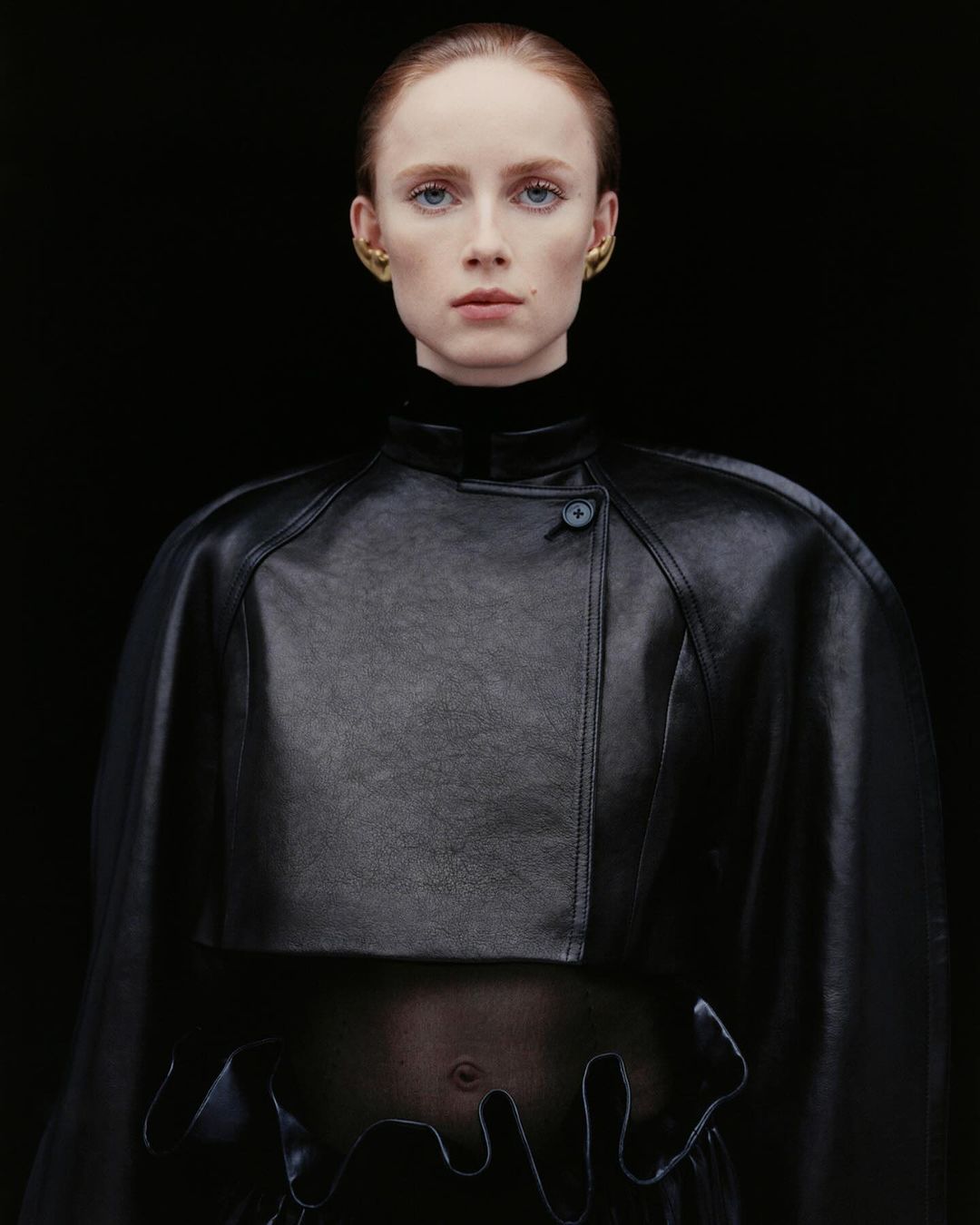
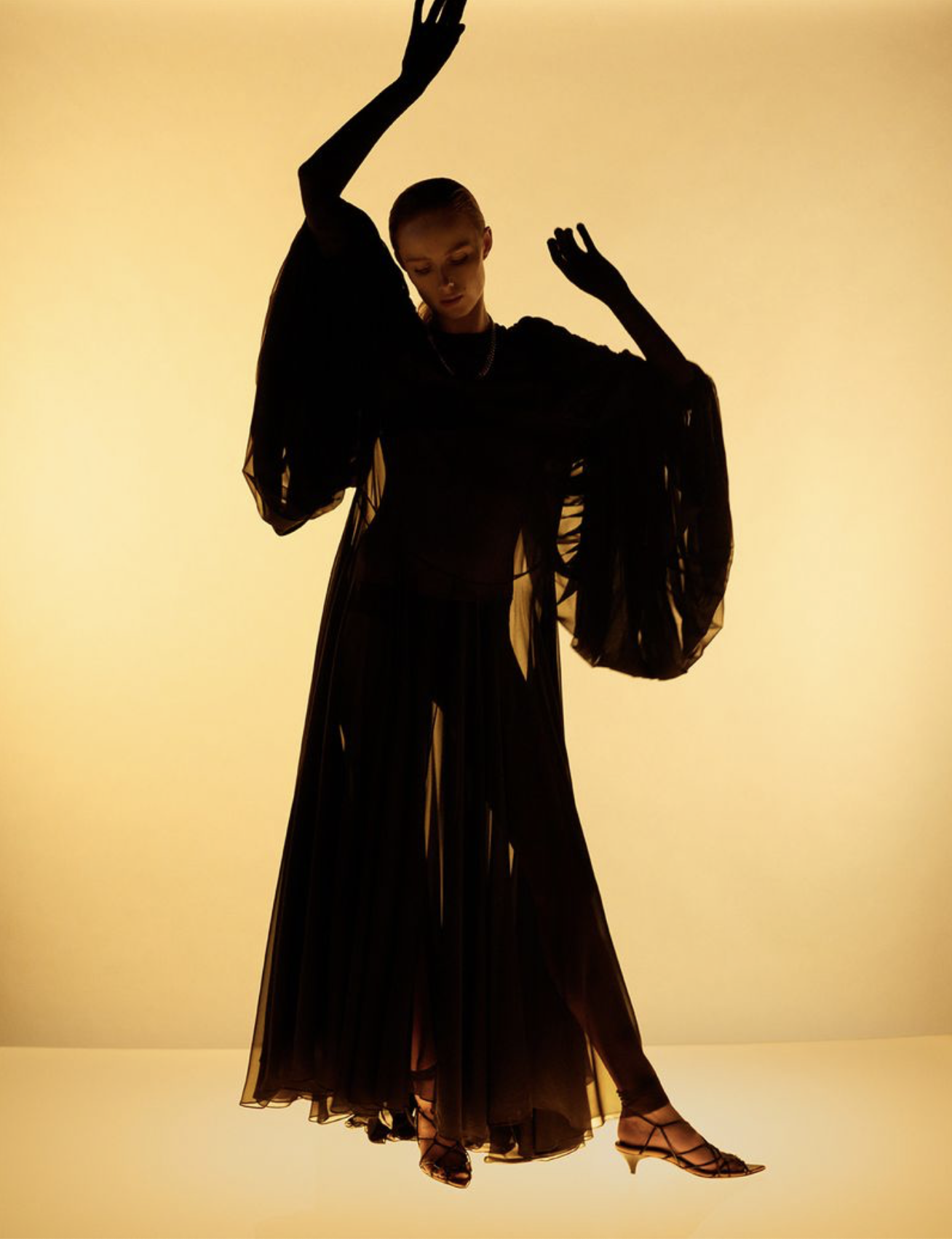







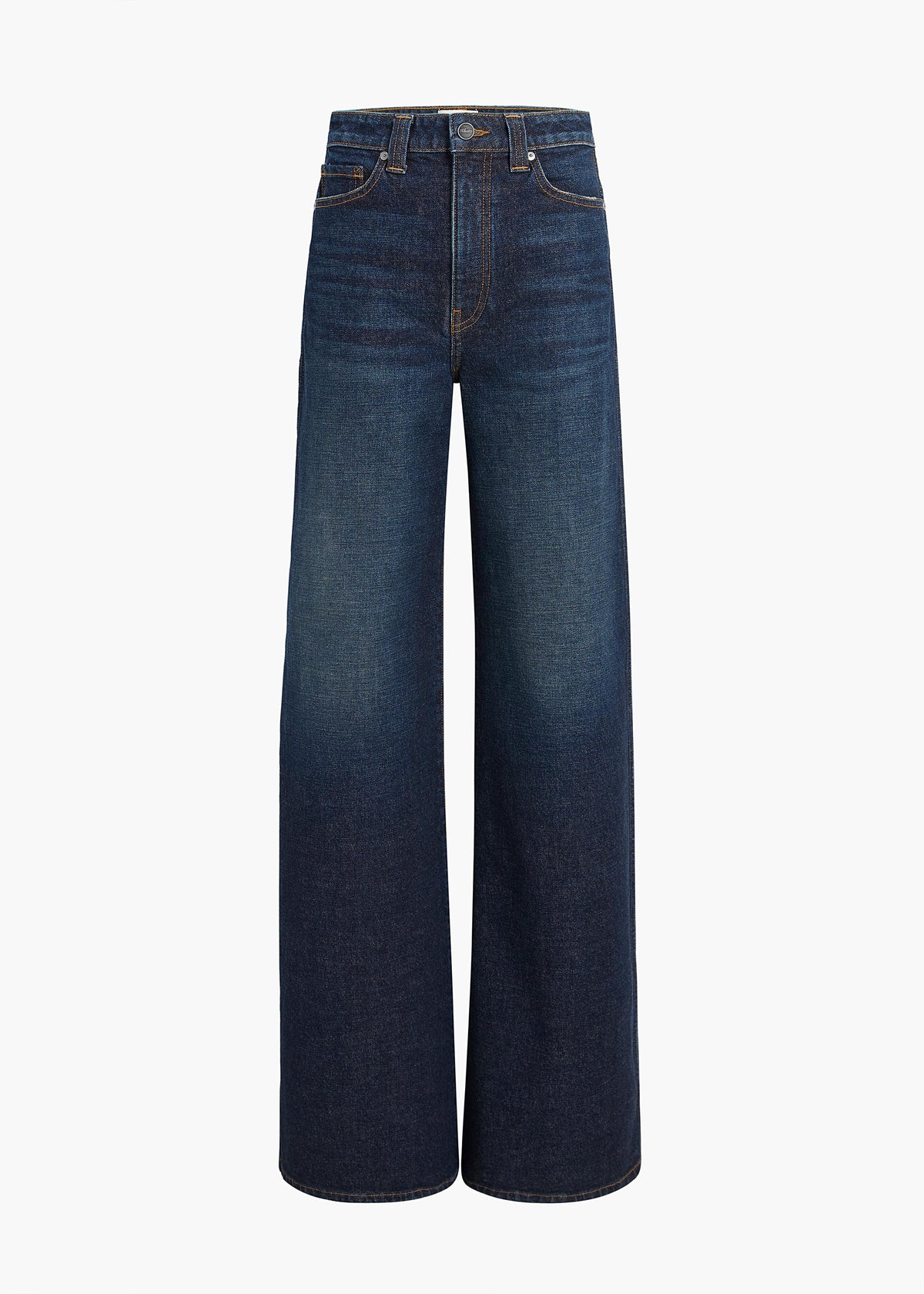




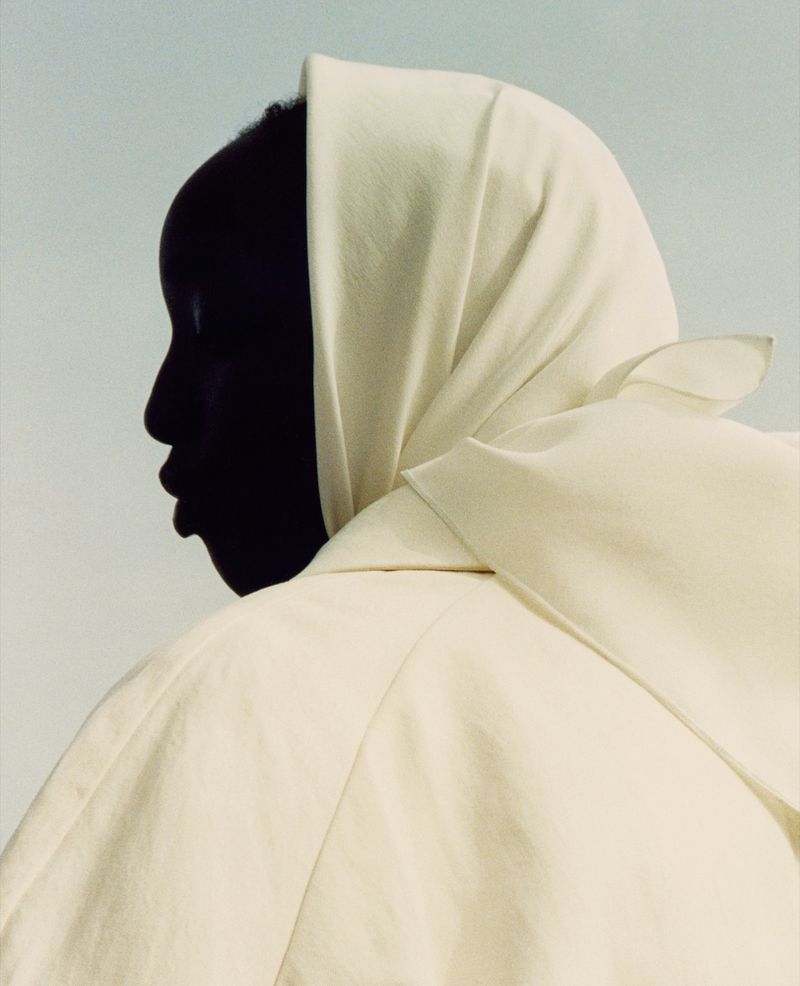
Cover: KHAITE, Fall/Winter 2024, Look 2. Designer Catherine Holstein. Photo © Drew Vickers.
All images © their respective rights holders.